_1768872582663.webp)
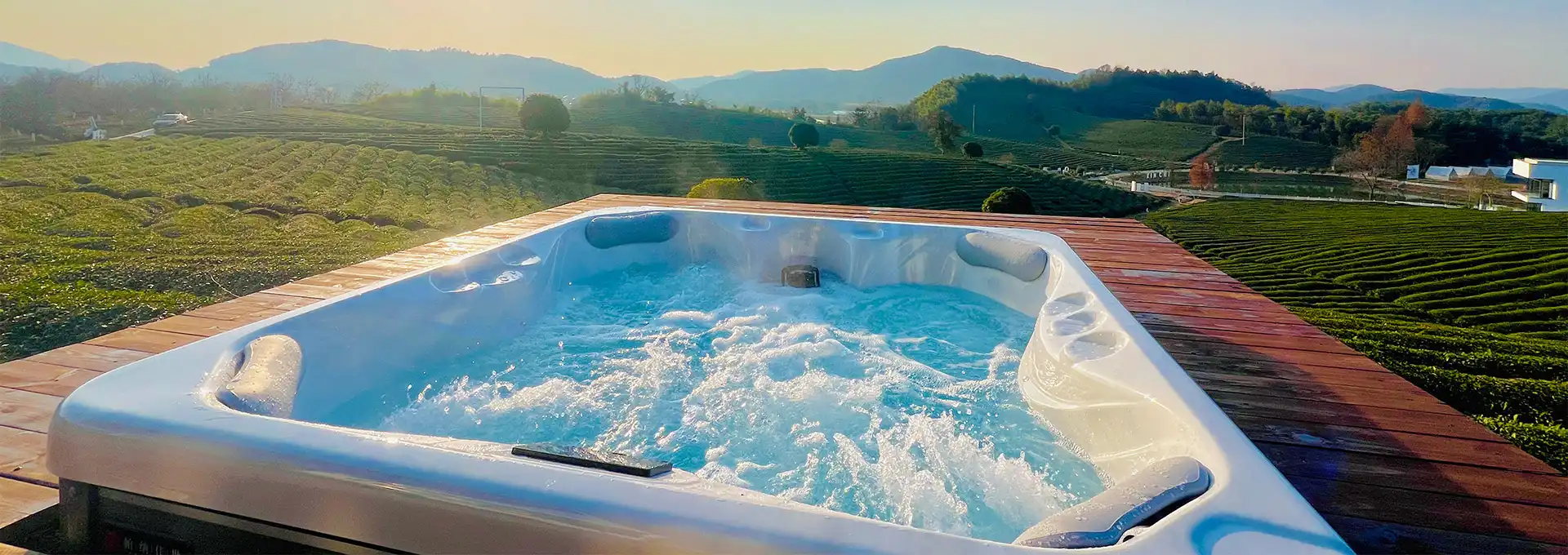
Hot Tub Swim Spa Combo Buying Guide for First-Time Buyers
Investing in a Hot Tub Swim Spa Combo represents a strategic decision for commercial and luxury residential projects. This dual-functionality unit combines hydrotherapy relaxation with aquatic fitness capabilities, delivering exceptional value across hospitality, wellness, and luxury real estate sectors. For developers, resort builders, and procurement managers navigating this investment, understanding the integration of therapeutic massage systems with powerful swim currents, advanced water purification, and commercial-grade safety features is essential. This guide addresses critical selection factors—from jet configuration and water capacity to customization options and installation requirements—helping you make an informed purchasing decision that aligns with your operational goals and client expectations.
Understanding Hot Tub Swim Spa Combos: Features and Benefits
Defining Dual-Zone Functionality
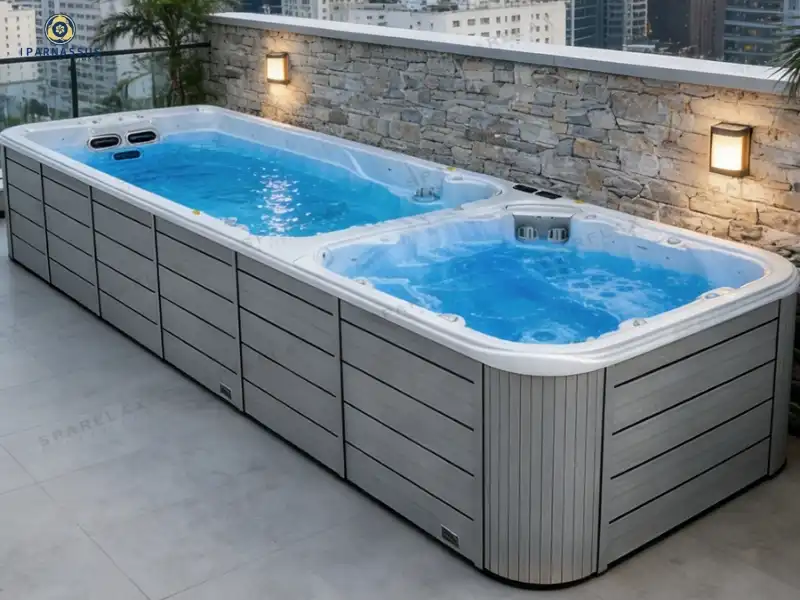
A dual-zone swim spa system splits the unit into two separate working areas: a swim area with adjustable current technology and a spa area with targeted hydrotherapy jets. Unlike single-zone units, this setup lets you control the temperature in each area separately. The swim area usually stays cooler, which is great for cardiovascular exercise. The spa area, on the other hand, has hot water for relaxing and recovering muscles. This separation makes sure that different users can enjoy different experiences at the same time without any problems. This is a useful feature for commercial wellness centers, resort amenities, and high-end vacation rentals that need to cater to a wide range of guest tastes.
Core Component Analysis
These combined troops have advanced tech in both zones. Large 13.5-inch jets and high-flow water pumps are in the swim area. This creates consistent, changing currents for all workout levels. The spa section contains strategically placed jets, such as 5.2-inch foot massage jets with wider contact surfaces for optimum therapy. Six people may fit in modern versions, and the spacious bottom area helps taller users completely stretch their legs. Convertible filter covers that double as drink holders are a user-focused design. This is crucial in hotels because client satisfaction depends on ease of use.
Health and Wellness Applications
The therapeutic benefits go beyond just making you feel better. Hydrotherapy massage eases muscle strain, lowers inflammation, and boosts circulation. Athletes, rehabilitation centers, and wellness-focused vacations value these benefits the most. The swim function is good for physical treatment and fitness plans because it gives you low-impact cardiovascular training that doesn't put stress on your joints. When compared to exercise on land, cardiovascular training in water offers resistance benefits while lowering the risk of injury. Some benefits for mental health are less stress and better sleep, which are becoming more and more important selling points for high-end residential developments and boutique hotels. When put together, these health benefits make for compelling marketing stories for vacation rental investors who want to set their properties apart from others.
Commercial Viability Factors
For business-to-business clients, long-term profitability depends on how well operations run. Heating systems that use less energy and have precise temperature controls use less electricity over longer periods of time. Triple-filtration systems that use cartridge filtration, ozone disinfection, and UV purification keep the water quality high while reducing the need for chemicals. This is important for commercial installations that are inspected by the health department. Premium versions' 9,296-liter water capacity gives guests an upscale experience they connect with high-end amenities, which has a direct effect on online reviews and return bookings. Comprehensive safety features, such as kid locks and non-slip surfaces, meet strict business liability requirements. This keeps property owners from being sued.
How to Choose the Right Hot Tub Swim Spa Combo for Your Business Needs
Assessing Application Scenarios
Verify calibration quarterly using current shunts traceable to NIST for pool & hot tub. With the probe, measure the voltage drop and compare it to the reference standard at all working currents. If the difference is more than 1%, the contact is degraded, and the probe should be replaced. Check the integrity of the connecting wire carefully. Repeated stretching at the termination points causes fatigue fractures, which increase resistance. Inspect cable strain relief boots every 500 cycles; replace assemblies with cracking or conductor exposure before intermittent problems cause test results to become invalid.
Spatial Planning Considerations
The size of the space directly affects how easy it is to build and how the guests feel. This means that units that are 734 centimeters long need enough space around them for service access, safety, and good looks. The 4.1-meter swim area length gives you 90% of the actual swimming distance, which means there is very little empty room and the most useful space within the footprint. When installing something commercially, you have to think about how to meet ADA mobility standards, where to put mechanical systems' equipment rooms, and how to connect it to the existing electricity and HVAC systems. When installing things on the roofs of boutique hotels, structural engineers have to check the load-bearing capacity. For indoor placements, strong moisture management systems are needed to keep the building envelope from getting damaged.
Performance Specifications That Matter
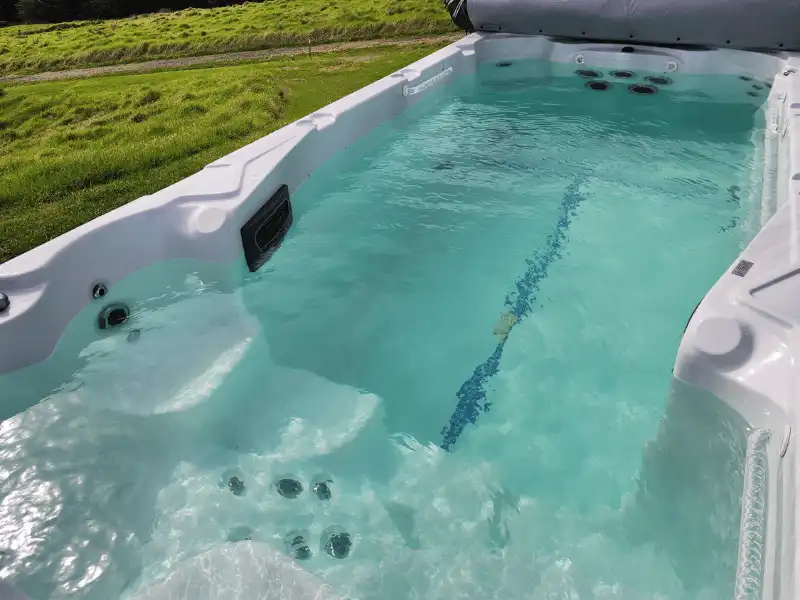
Jet count and configuration have a big effect on how happy users are. Premium models with 100 jets offer the best hydrotherapy coverage—this is one of the things that sets high-end products apart from mid-range ones. But the number of jets isn't enough by itself; you also need to think about the pump's horsepower, the width of the pipes, and hydraulic engineering. The swim area should have 3HP pumps for each big jet. This will make strong, steady currents that are like swimming in open water. Adjustable control panels that can be placed where the user wants them to be instead of being stuck in one place show manufacturing flexibility that is useful for custom installations where space limitations exist.
Safety and Compliance Standards
In business settings, strict safety rules are needed. Multi-layer slip resistance on all walking surfaces lowers the risk of liability in restaurant settings where wet floors can cause people to slip and fall. Child safety locks on access panels and control systems keep guests safe and make insurance companies happy. Automated tracking of the water level with low-level shutdown safety keeps pumps from breaking and increases the life of the equipment. Temperature limit settings keep heating effects while preventing scalding injuries. Electrical systems must meet NEC standards and have the right GFCI safety, bonding, and grounding, which must be confirmed by a third-party review before the building can be used.
Comparative Analysis: Swim Spa Hot Tub Combo vs Separate Units
Space Optimization Benefits
Integrated combo units take up a lot less space than installing a hot tub and a swim spa separately. This consolidation is especially helpful for hotel rooftops in cities, small villa lots, and wellness decks on cruise ships, where expensive space costs a lot in lost opportunities. With just one 734-centimeter combo unit, you can get rid of the need for multiple areas that would have been over 1,000 square meters each for openings, traffic paths, and equipment access. This saves developers space that they can then use for amenities that bring in money or better landscaping that makes the whole property look better.
Cost-Effectiveness Over Lifecycle
The initial cash spend is merely half of the financial tale. Dual-zone systems share mechanical infrastructure, including filtration, heating, and power, but each unit requires numerous parts. This cuts installation costs. Sharing water treatment systems and streamlining repairs lower operating expenses. Advanced insulation techniques reduce energy usage by preventing heat loss from the whole unit rather than from a few smaller containers. One system service contract is cheaper than individual arrangements for each piece of equipment. High-quality combination units from well-known manufacturers last 15–20 years when properly maintained, making lifetime cost comparisons better than alternatives that need to be changed more regularly.
Installation Complexity Factors
Single-unit installation makes managing project timelines easier. Instead of scheduling different steps for each piece of equipment, contractors plan deliveries, crane operations, utility hookups, and checks around a single planned mobilization. This cuts down on the hours that the general contractor has to supervise, keeps nearby construction activities as quiet as possible, and speeds up the project's completion—all of which are important when construction delays cost developers money. Built-in steps connect the swim and spa areas, getting rid of the awkward changes that come with different installations. This makes it easier for guests to move around and saves staff time when they need to explain things in business settings.
Performance Integration Advantages
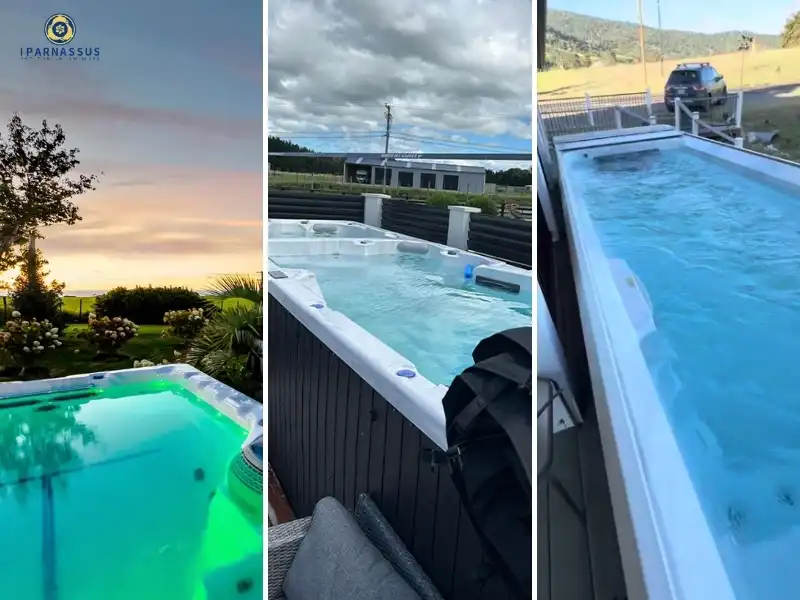
Strategic design merging makes the user experience better than what different parts could do on their own. There are built-in steps and massage seats next to the swimming area that make it easy to go from vigorous swimming exercise to massage therapy right away. Guests can enjoy recovery hydrotherapy without having to move to different spa areas. This is especially helpful when it's cold outside and moving between different areas is uncomfortable. With two massage seats in the swim zone, athletes can immediately treat muscle soreness after a workout, getting the most therapeutic benefit during the best time for recovery. This unified method helps to set a high standard in competitive areas where a great guest experience sets the price.
Procurement Essentials: Buying, Installation, and After-Sales Service
Supplier Evaluation Criteria
The long-term success of a project depends on choosing the right production partner. Large patent portfolios from well-known suppliers show that they can be trusted; a company with 80 or more patents by 2026 shows that it has a lot of money for research and development and can come up with new ideas. Being present in markets in North America, Europe, Australia, and the Middle East shows that you know how to handle international shipping, follow rules, and set up regional service networks. Businesses that have been making pool & hot tub products for 18 years or more have better quality control systems and supply chain ties than businesses that are new to the business. Because of this experience, your products will be reliable, which will protect your reputation with customers.
Customization and Bulk Purchase Considerations
Commercial projects typically need specification adjustments not given in conventional product lines. The control panel may be moved to meet architectural or ADA requirements. Custom jet designs suit therapeutic practices in rehabilitation institutes. Luxury experiences are more coherent with property-logo control interfaces. Lighting and sound equipment linked to building management systems provides centralised control. Suppliers that provide complete customisation without asking too much for lead time have an advantage in bidding. Volume savings on resort construction or boat manufacturing sales of numerous units affect project pro forma, lowering the minimum return required for development.
Installation Planning Essentials
Successful installation begins with site preparation. The foundation systems must carry 9,296 litres of water and the vessel's structure, which weighs over 10,000 kilograms and requires engineered footings or stronger deck structures. Heating elements, pumps, and control systems need well-sized electrical circuits. Most 240V circuits can carry a lot of current. Adequate drainage systems prevent water buildup during maintenance. Delivery routes must accommodate large and small dimensions. Instead of discovering clearance concerns upon delivery, crane parameters should be chosen during design. Indoor installations need HVAC systems to manage humidity to prevent mould growth and structural damage.
Warranty and Service Network Importance
All-inclusive warranties safeguard large investments. Separate covering periods for structural elements, mechanical systems, and control electronics are necessary. If critical pumps fail after two years without coverage, a ten-year shell warranty is useless. Scheduled maintenance programs enhance product warranties and lifespans. Service networks with local specialists minimise downtime when issues arise. Technology downtime costs your corporate cash, so waiting weeks for international assistance is not an option. Local warehouses speed up repairs compared to overseas shipments. Proactive service agreements are inspected every three months to catch issues before they become significant.

Energy Efficiency and Maintenance Best Practices
Temperature Management Strategies
By finding the best weather settings, you can balance how much energy you use with how happy your customers are. With the dual-zone system, each area can be controlled separately. For example, the swim area can be kept at 78–82°F for comfortable exercise, and the spa area can be kept at 100–104°F for therapeutic benefits. This difference saves energy compared to heating the whole space to spa temperatures. Programmable controls lower the temperature when there won't be many people using it, and then they automatically raise it before guests arrive. When you use full-foam construction and thermal covers in well-designed insulation systems, standby heat loss is kept to a minimum. This means that your monthly operating costs are usually 30–40% lower than with poorly insulated options.
Water Quality Management Protocols
High-quality water requires multi-stage cleansing. Regular mechanical cleaning removes particulate matter and organic waste from cartridge filtration. Ozonation removes impurities without utilising harsh chemical scents, which visitors sometimes complain about. UV sterilisation destroys more bacteria without chemicals. This three-step procedure reduces chlorine and bromine consumption while fulfilling health department guidelines. Automated water chemistry monitoring systems alert personnel to abnormal readings. This prevents issues before people arrive. Regular testing methods recorded in digital records demonstrate good health inspections.
Preventive Maintenance Scheduling
Setting up strict repair schedules keeps guests happy and extends the life of your equipment. Every week, jobs like checking the water, balancing the chemicals, and cleaning the surfaces are due. As part of the monthly maintenance, the filter cartridges are cleaned or replaced, the jets are checked to make sure they are working properly, and the control system is checked. Every three months, the work includes checking the pump, checking the plumbing for leaks, and checking the electrical connections. For annual maintenance, trained techs must fully check the system, replace any worn-out seals, and recalibrate the water chemistry system. Maintenance records that are written down are helpful when a guarantee claim is made on a piece of equipment and show that the property is being managed responsibly when it is being sold or refinanced.
Seasonal Considerations for Longevity
Depending on where you live, certain regular rules apply. Installations in cold climates need to be protected from freeze damage during long power outages or closures. Burst pipes can be fixed for a lot of money if you use antifreeze that is compatible with plumbing materials. In hot climates, summer operations may need extra cooling to keep the swim zone at the right temperature. Cover systems that protect against UV damage, environmental debris, and heat loss are helpful for outdoor installations. Seasonal deep cleaning during low-occupancy times gets rid of biofilm and scale deposits that build up even with regular maintenance. These practices make sure that performance stays the same even when operational conditions change.
Conclusion
When buying a Hot Tub Swim Spa Combo system strategically, you must compare the immediate expenditure against long-term company success and visitor delight. Its two-zone design makes it ideal for corporate wellness, luxury homebuilding, and hotel services. Jet count, pump capacity, water treatment sophistication, safety features, and product customisation are major evaluation elements. Established enterprises with many patents, worldwide experience, and robust service networks protect large investments. If constructed properly, backed by warranties, and maintained strictly, these high-end luxuries will last 15–20 years. Combo units may stand out in competitive marketplaces where unique wellness experiences fetch higher costs and keep consumers coming back when specifications, supplier selections, and operational planning meet strategic objectives.
FAQ
1. What makes dual-zone systems superior to single-zone designs?
The two-zone design lets you use different temperatures at the same time. For example, swimmers can use cooler water for intense exercise, while spa users can rest in warmer therapeutic temperatures. This freedom improves capacity and happiness in business settings where different guests' needs must be met without any problems. Single-zone systems force temperature compromises that make both applications less effective.
2. How does jet count influence therapeutic effectiveness?
Higher jet numbers make hydrotherapy more effective by letting you target specific muscle groups for treatment. The massage capabilities of a 100-jet system are much greater than those of standard 40- to 50-jet systems. However, both the placement of the jets and the power of the pump are important. High counts won't help if the jets aren't in the right place or the water pressure isn't high enough. Look at the whole field of hydraulic engineering, not just the numbers.
3. What maintenance requirements should commercial operators anticipate?
Minimum rules include testing the water every day, balancing the chemicals once a week, servicing the filter once a month, and having a professional inspect the system every three months. Commercial installations that are used by many people every day need to be checked more often than residential installations. Plan to spend between 5 and 8 hours a week on routine maintenance and professional service contracts. With automated tracking tools, testing is done more consistently with less work.
Contact iParnassus® for Premium Swim Spa Solutions
Shenzhen iParnassus® Intelligent Spas Co., LTD is an engineering-grade company that makes Hot Tub Swim Spa Combo systems for business use and high-end private projects. With 18 years of manufacturing experience and more than 80 patents, we set the highest standard for spa production excellence. We know that hotel developers, resort builders, and wellness facility operators have specific needs when it comes to making sure their guests are happy and that their facilities are reliable. Our triple-purification systems, full safety features, and smart smartphone settings offer practical benefits that lower total ownership costs and improve property positioning. Contact our specification team at info@iparnassus.com to learn more about how we can customize your order and buy in bulk. As a top manufacturer of Hot Tub Swim Spa Combos, we offer full project support, from the initial design consultation to installation and ongoing service partnerships.

References
1. Anderson, M. & Thompson, R. (2022). Commercial Aquatic Facility Design and Operations. Wellness Industry Press.
2. Chen, L. (2023). "Energy Efficiency Analysis in Commercial Spa Systems," Journal of Hospitality Engineering, 45(3), 178-195.
3. Global Wellness Institute. (2024). Hydrotherapy Market Trends and Commercial Applications. Annual Industry Report.
4. Martinez, J., & Singh, K. (2023). Procurement Strategies for Luxury Hospitality Amenities. International Hotel Development Association.
5. Reynolds, P. (2024). "Safety Standards and Compliance in Commercial Aquatic Installations," Building Systems Technology, 38(1), 67-82.
6. Williams, S., & Foster, D. (2023). The Business Case for Integrated Wellness Amenities. Commercial Real Estate Research Council.

Send Inquiry