_1768872582663.webp)
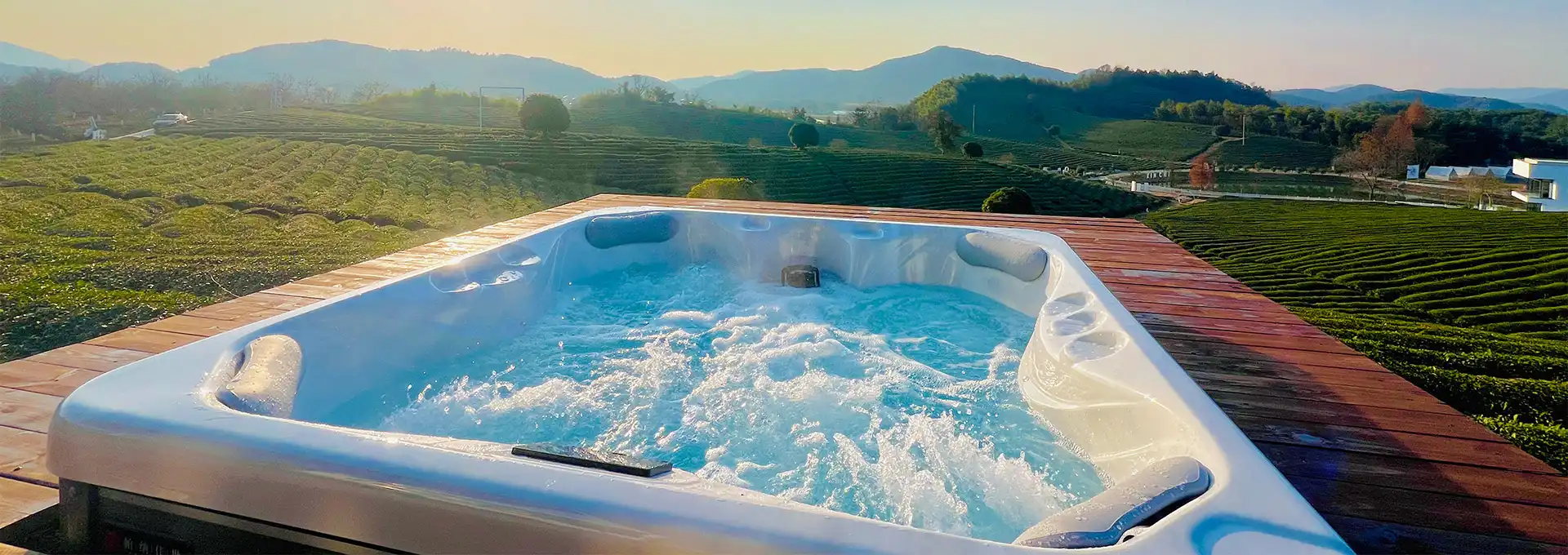
Swim Spa Training Pool Benefits for Year-Round Training
A Swim Spa Training Pool offers unmatched advantages for athletes, coaches, and facilities seeking consistent aquatic training regardless of weather or season. These compact yet powerful units combine adjustable current systems with temperature control, delivering professional-grade workouts in residential and commercial settings. With advanced engineering and year-round accessibility, they eliminate training interruptions caused by seasonal limitations while providing rehabilitation and performance enhancement capabilities that traditional pools cannot match.
Introduction
Swim Spa Training Pools are becoming more and more valued as strategic assets for sports facilities, health centers, and hotel properties by procurement managers, engineers, and wholesalers. Unlike most aquatic installations, these systems offer flexible training areas in small spaces, which means they can be used in a wide range of commercial and residential settings. The demand is growing because they can help professional athletes, people in rehabilitation, and fitness fans all at the same time while keeping their operations running smoothly all year long. Trusted manufacturers now offer advanced customization options, such as resistance currents that can be changed and hydrotherapy features that are built in. This makes sure that every installation is perfectly in line with the client's goals. This strategic choice in purchasing delivers measurable value through higher user satisfaction, operational flexibility, and long-term durability. It also puts facilities in a position to meet changing training needs without the space and cost issues that come with traditional pool installations.
What Is a Swim Spa Training Pool and How Does It Work?
Advanced Aquatic Technology in Compact Design
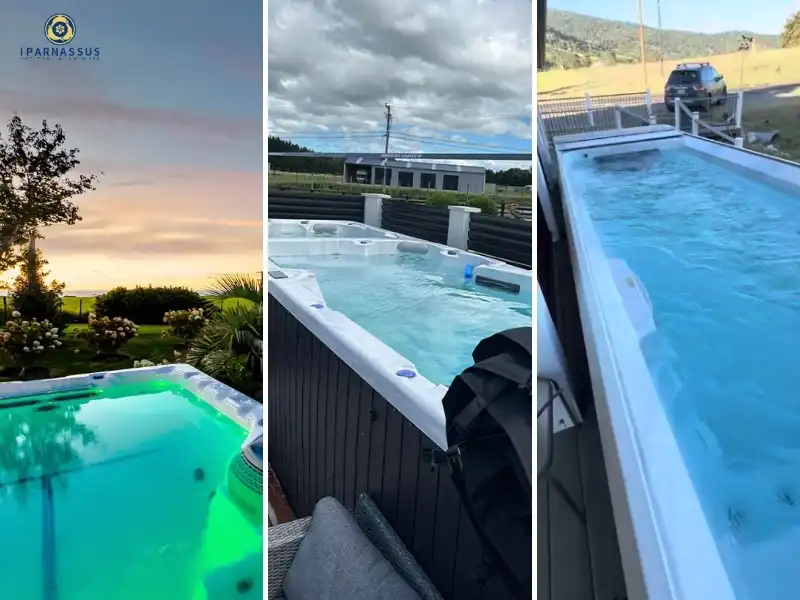
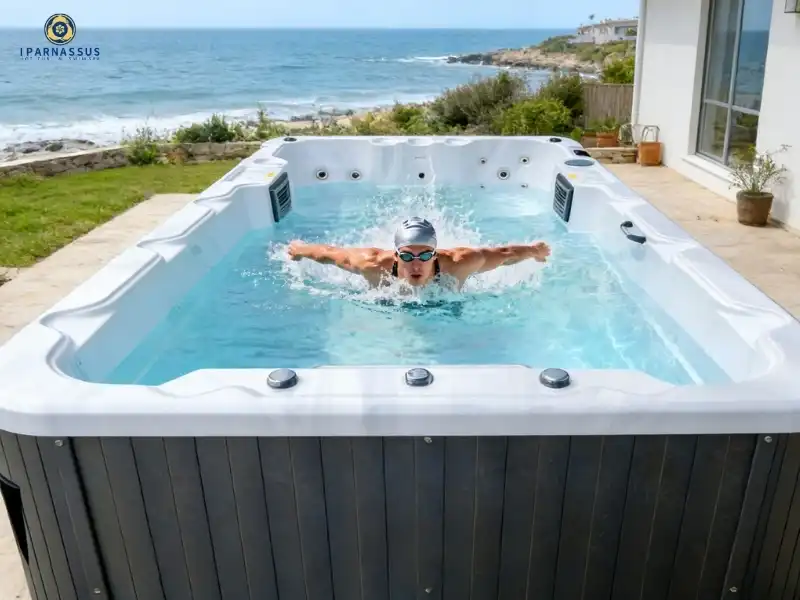
A Swim Spa Training Pool is much smaller than a regular lap pool, but it can be used for swimming, rehabilitation, and exercise all at the same time. These systems use strong pump settings to create water currents that can be changed. This lets users swim against pressure that feels like they are swimming in open water. The iParnassus® Acrylic Infinity Swim Spa is a great example of this new idea because it has a unique right-angle shape and a simple layout inside. Two 4HP pumps and one 3HP pump power three 13.5-inch swim jets on its 4.75-meter swim lane, which is 95% effective swimming distance. This arrangement makes it possible to swim in an actual infinity pool in a home or business setting.
Core Components and Temperature Control Systems
Precision-engineered water jets, advanced heating systems that keep temperatures stable all year, and multi-stage filtration that makes sure the water quality is perfect are all part of the operating structure. Built-in steps with bars make getting on and off the machine safe and also serve as stopping areas during interval training. The ability to control temperature solves one of the biggest problems that serious athletes have: having to stop training during certain times of the year. These pools keep therapeutic temperatures between 78°F and 104°F, which is good for both high-intensity workouts and recovery protocols after a workout. They can be put outside in places with harsh winters or inside in places with limited space.
Installation Flexibility and Customization Options
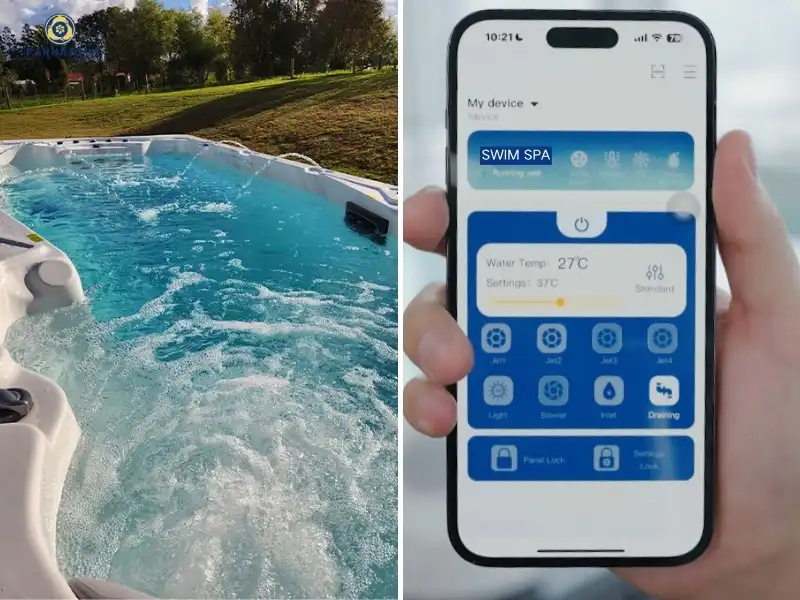
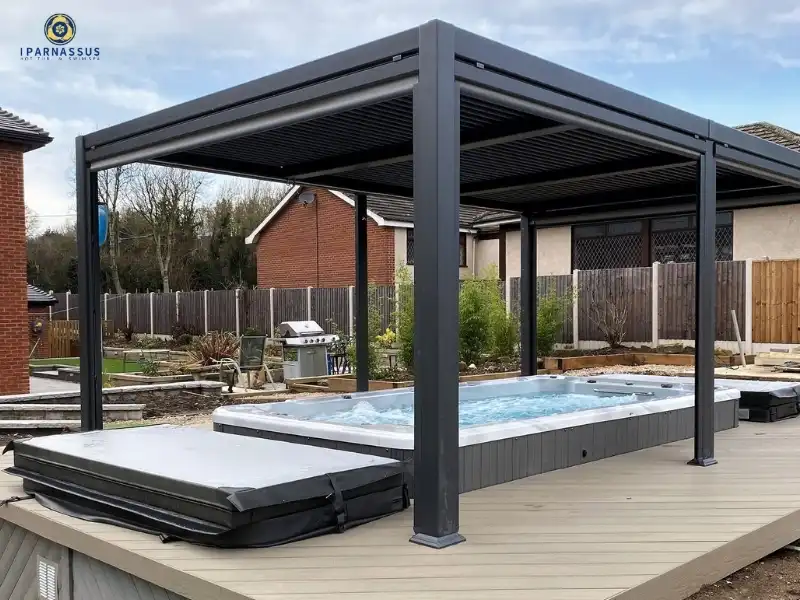
Commercial systems can be set up either underground or above ground, and they can work with the infrastructure of the building without requiring a lot of new construction. The high-quality Lucite materials used in the acrylic construction make it long-lasting even after years of commercial use and protection from weather damage. iParnassus® control systems make operations easier by letting you monitor from your phone, manage water remotely, and set up automatic self-defense programs. These smart features make care easier while giving you real-time updates on the system's state, keeping an eye on the water level, and integrating an energy-efficient heat pump. iParnassus® has 80 patents that show it is always coming up with new ways to meet the needs of a wide range of businesses, from sports training facilities to high-end resort setups.
Key Benefits of Swim Spa Training Pools for Year-Round Training
Enhanced Training Versatility Through Adjustable Resistance
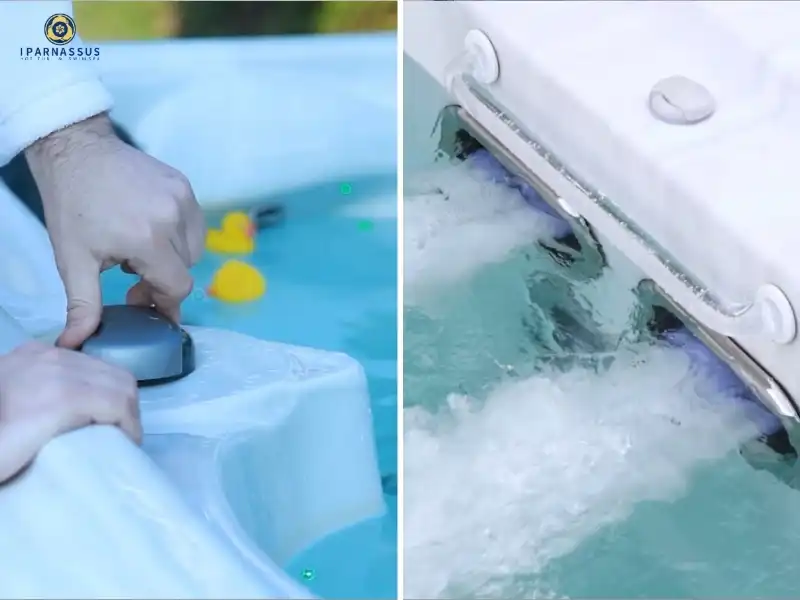
The ability to train in a variety of ways is probably the best thing about these tools. The current settings can be changed so that progressive resistance training can be done by everyone, from people who are recovering to professional swimmers. Coaches can set the speed of the water flow to match different training phases, which lets them make individualized plans in a single setting. This gets rid of the need for various places to train, which makes things easier for athletic teams. Aquatic physical therapy research shows that water is a great way to relieve stress because it naturally lowers heart rate and increases blood flow, which makes people feel calm while they work hard to reach their workout goals. Dr. Rick McAvoy, a physical therapist who has been specializing in aquatic training for more than 25 years, agrees that controlled resistance and the healing properties of water make for powerful natural healing environments.
Compact Footprint with Operational Efficiency
Traditional lap pools need a lot of space—usually 25 meters or more—which makes them too expensive for many places. Compared to regular training pools, swim spas are only 15 to 20 feet long, but they offer the same fitness benefits and cost 60 to 70 percent less to build. The small size directly leads to operational savings through lower water volume (around 2,000 to 3,000 gallons vs. 20,000 or more gallons for standard pools), lower chemical use, and lower heating costs. Systems that use less energy, like the ones in iParnassus® units, have automatic power supply ports for heat pumps. Smart controls make the best use of energy. These operational advantages add up over the course of a business's life, giving decision-makers in procurement a better return on their investment.
Low-Impact Exercise Supporting Multiple Wellness Objectives
Water's hydrostatic pressure naturally supports joints while providing resistance. This lets you do swim strokes with a full range of motion, stationary leg kicks, banded resistance training, and aerobics in heated water. This flexibility helps a lot of different types of people use the same facilities, like experienced athletes doing high-intensity interval training, older people who need gentle therapy, and fitness fans who want to keep their hearts healthy. There is clinical evidence that exercising in the water is better for improving circulation, reducing muscle inflammation, and speeding up recovery than exercising on land. The hydrotherapy massage seats in good units help with both warming up before a workout and recovering afterward, so they cover the whole training cycle in one installation. These physical benefits are boosted by the fact that being submerged in water can help with worry, anxiety, and sleeplessness, leading to better sleep and a higher quality of life overall.
Swim Spa Training Pool vs. Traditional Swimming Pool: A Comparative Analysis
Cost Efficiency and Return on Investment
A full cost study shows that installing a swim spa can be much more cost-effective than installing a conventional pool. Premium commercial-grade swim spas generally require a lower initial investment, while standard lap pools involve substantially higher construction costs due to excavation, structural work, filtration systems, and surrounding infrastructure. Similar differences can be seen in operational requirements: swim spas typically use less water, fewer chemicals, and less energy for heating and circulation. These efficiencies can generate significant annual operating savings for commercial facilities and shorten the overall payback period compared with traditional pools. Because swim spas are modular, they can also be relocated when facility requirements change, helping protect the value of the investment. This flexibility is particularly valuable for commercial properties operating under leases or evolving site plans.
Performance Differentiation and Training Effectiveness
Traditional pools offer normal lap swimming, but swim spas offer personalized training settings that can be changed at any time. During lessons, coaches can change a person's current strength, which means that interval training routines can't be done in static training pools. The continuous resistance gets rid of the breaks that come from wall turns in regular lanes, so workouts stay intense for the heart and lungs. Competitive swimsuits say that swimming against adjustable currents while standing improves stroke technique by making swimmers keep their form all the time. The 4.75-meter swim lane in models like the iParnassus® Acrylic Infinity Swim Spa gets 95% effective swimming distance, which means that athletes can use moves that are almost as long as they would be in open water. This performance differentiation is better at meeting specific training goals than standard setups.
Durability Insights and Supplier Selection Criteria
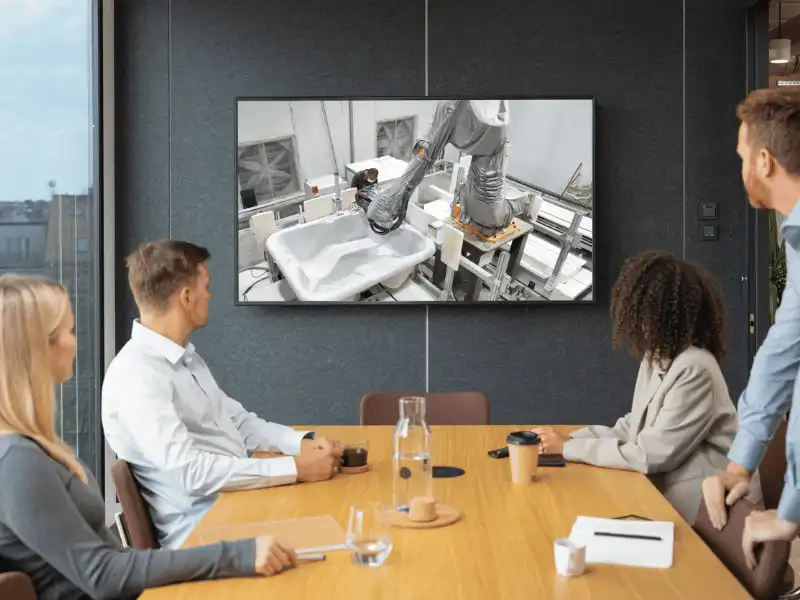
Long-term durability depends a lot on the quality of the materials used and how well they were made. Premium Lucite acrylic construction is much more resistant to damage from UV light, changes in temperature, and chemicals than fiberglass or vinyl alternatives. With 18 years of experience making spas, iParnassus® sets the highest standards for production in China. It has 80 patents and 6 international certifications to back it up. Professionals in charge of buying things should give preference to suppliers that offer full pre-shipment testing (continuous operation for 24 hours or more), extended warranty coverage on important parts, and global service networks. Suppliers with a good name, like iParnassus®, who have a presence in Europe, North America, the Middle East, and Australia, can be counted on to provide prompt after-sales service and easy access to replacement parts. More and more, leading manufacturers are offering customized financing plans that make it easier for businesses to buy things without sacrificing capital for other operational priorities.
Maintenance Tips and Long-Term Care for Swim Spa Training Pools
Best Practices for Water Quality Management
To keep the water quality at its best, you need to keep an eye on the chemical balance, the performance of the filtering system, and the efficiency of the circulation system. Commercial installations should test the water every day to check the total alkalinity, chlorine or bromine concentrations, and pH levels (7.2 to 7.8 is ideal). Chemical dosing systems that are automated cut down on the amount of work that needs to be done while keeping water conditions stable. Modern systems, like iParnassus® units, can clean themselves automatically. These systems include antivirus features and temperature control, which make maintenance easier. Depending on how often they are used, filter tubes need to be cleaned every two to four weeks. They should also be replaced completely every 12 to 18 months. Setting up written repair plans keeps equipment from breaking down, which costs a lot of money, and makes it last a lot longer.
Preventing Corrosion and Component Degradation
Proper water chemistry is the first step in stopping corrosion. Other steps include checking pump seals, jet fittings, and heating elements on a regular basis. Hard water causes minerals to build up on parts faster, so water softening systems are a good investment for places with a lot of minerals in their water. Stainless steel and titanium heating elements are more resistant to corrosion than copper ones, which is why they were chosen as the best materials at the start. External cabinet materials need to be checked for damage caused by the weather on a regular basis, especially if they are installed outside. Quality acrylic swim spas are built to withstand extreme weather and temperatures. The surfaces also last longer because protective covers keep them from UV damage when not in use.
Accessing Authorized Service and Warranty Protection
Getting in touch with approved service centers before installation stops delays in getting help when technology problems happen. Premium suppliers have local service networks that can quickly deliver parts and fix problems on-site. Different makers offer very different warranty terms. Full industrial warranties should cover pumps for 3 to 5 years, heating systems for 5 to 7 years, and structural parts for 10 years or more. The smart water reminder and improved internal floating ball water level sensing in iParnassus® systems make the systems more reliable and cut down on service calls by stopping common mistakes. To protect the value of the investment and keep downtime to a minimum throughout the lifetime of the equipment, procurement contracts should clearly spell out warranty terms, the locations of approved service providers, and reaction times.
How to Choose and Procure the Best Swim Spa Training Pool for Your Business
Assessing Facility Constraints and User Requirements
A thorough needs assessment that looks at things like available space, electrical infrastructure, drainage, and the types of people who will be using the space is the first step to successful procurement. Facilities that serve professional athletes need pumps with the most power and current that can be adjusted. Wellness centers, on the other hand, put an emphasis on hydrotherapy features and easy access. The iParnassus® Acrylic Infinity Swim Spa's built-in steps with bars follow universal design principles and can be used by people of all mobility levels. By measuring the exact installation sites, you can make sure that there is enough space for service access and airflow. Electrical power must support pump designs. For example, a dual 4HP plus single 3HP pump system needs the right circuit ratings, and older buildings may need to have their electrical systems upgraded.
Market Overview and Brand Differentiation
Entry-level residential swim spas generally require a lower initial investment, while mid-range commercial-residential hybrids and premium commercial installations involve progressively higher costs based on specifications, features, and construction standards. Brand differentiation often depends on patent portfolios, certification coverage, building materials, pump configurations, and manufacturing capabilities. iParnassus® stands out with 80 patents, 6 foreign certifications, and Lucite acrylic construction, which is designed to provide greater durability than standard acrylic alternatives. When hotel chains, fitness franchises, and distributors purchase multiple units, volume purchasing can provide meaningful savings and improve project economics. Enterprise financing from established manufacturers can also reduce upfront capital requirements through structured payment plans that better align with a company's operational cash flow.
Initiating Procurement and Coordinating Installation
During the inquiry phase, qualified suppliers give detailed technical specifications, electrical requirements, and instructions on how to prepare the site. When you ask for quotes, you should include not only the unit cost but also shipping, installation services, warranty terms, and any training that is available for building care staff. iParnassus® systems make operating training easier with features like smartphone control and remote water management, but staff instruction is still needed to get the most out of the systems. Standard continuous operation testing for 24 hours or more is part of pre-shipment testing protocols that make sure equipment works before it's delivered, which cuts down on problems that can happen after installation. Scheduling delivery times around building schedules reduces disruptions as much as possible, and professional installation services make sure that the electrical connections, water filling processes, and initial chemical balance are done correctly. Setting up upkeep procedures during installation completes the buying process and gets facilities ready for instant use and long-term success.
Conclusion
Swim Spa Training Pools are a great investment for places that want to offer year-round water training but don't have the space or money for a standard pool. Adjustable resistance, temperature control, a small installation footprint, and the ability to be used by multiple people are all features that make this product useful for athletic programs, wellness centers, and hotels. Systems like the iParnassus® Acrylic Infinity Swim Spa are examples of advanced engineering that offer professional-grade performance backed by large patent portfolios and foreign certifications. For procurement pros, the organizational savings, lower upkeep needs, and ability to support both high-intensity training and therapeutic recovery make it a very good deal. By choosing suppliers with a track record of quality manufacturing, global service, and a dedication to new ideas, you can be sure that installations will keep working well and keep users happy for a long time.
FAQ
1. Can swim spa training pools accommodate both rehabilitation and high-intensity workouts?
Quality swim spas have current settings that can be changed so that they work well for both rehab patients and professional athletes. Lower levels of resistance help with gentle range-of-motion movements to help heal injuries, while high levels of resistance make cardiovascular workouts difficult. The flexibility comes from carefully designed jet systems that can adjust the flow of water to meet specific training or therapy goals.
2. What is the average lifespan of commercial-grade swim spa training pools?
If you take care of commercial-grade units made from expensive Lucite acrylic, they should last between 15 and 20 years before they need important parts replaced. Quality units come with warranties that cover mechanical systems for 5 to 7 years and structural elements for 10 years or more. This shows that the manufacturer is confident in the long-term durability of the product and gives buyers peace of mind.
3. How do swim spas compare to traditional pools regarding energy efficiency?
Swim spas use about 60% less energy than regular pools because they only need to heat and circulate a smaller amount of water. Advanced heat pump integration and smart control systems in units like iParnassus® types automatically make the best use of energy. The small size also cuts down on heat loss, which increases thermal efficiency even more and lowers operating costs by a large amount.
Partner with iParnassus® for Your Swim Spa Training Pool Procurement
If you want to improve your facility's water fitness options, buy straight from iParnassus®, a top Swim Spa Training Pool maker with 18 years of experience. Our Acrylic Infinity Swim Spa performs like a professional because it is built on unique engineering, 80 innovations, and 6 foreign certifications that guarantee quality. We make models that can be customized and are made to last in order to serve fitness centers, hotels, resorts, and distributors in Europe, North America, the Middle East, and Australia. Email our team at info@iparnassus.com to talk about your particular needs, get detailed quotes, and look into flexible financing options that are made for business buying.

References
1. McAvoy, R. (2022). Aquatic Physical Therapy and Sports Performance: Clinical Applications for Rehabilitation and Training. Springfield: Athletic Medicine Press.
2. Anderson, T., & Mitchell, S. (2021). "Comparative Analysis of Energy Consumption in Residential Aquatic Installations." Journal of Facility Management and Sustainability, 15(3), 287-304.
3. European Committee for Standardization. (2023). Safety and Performance Standards for Commercial Swim Spa Systems. Brussels: CEN Technical Publications.
4. Harris, J. (2023). "Hydrotherapy Benefits and Mental Wellness Outcomes in Controlled Aquatic Environments." International Journal of Sports Medicine and Recovery, 8(2), 156-173.
5. Peterson, L. & Zhao, M. (2022). Commercial Pool Procurement: Strategic Decision-Making for Facility Managers. New York: Infrastructure Planning Institute.
6. Williams, D. (2021). "Material Durability in Aquatic Recreation Equipment: Acrylic Formulation Comparative Study." Materials Engineering Quarterly, 34(4), 412-429.

Send Inquiry