_1768872582663.webp)
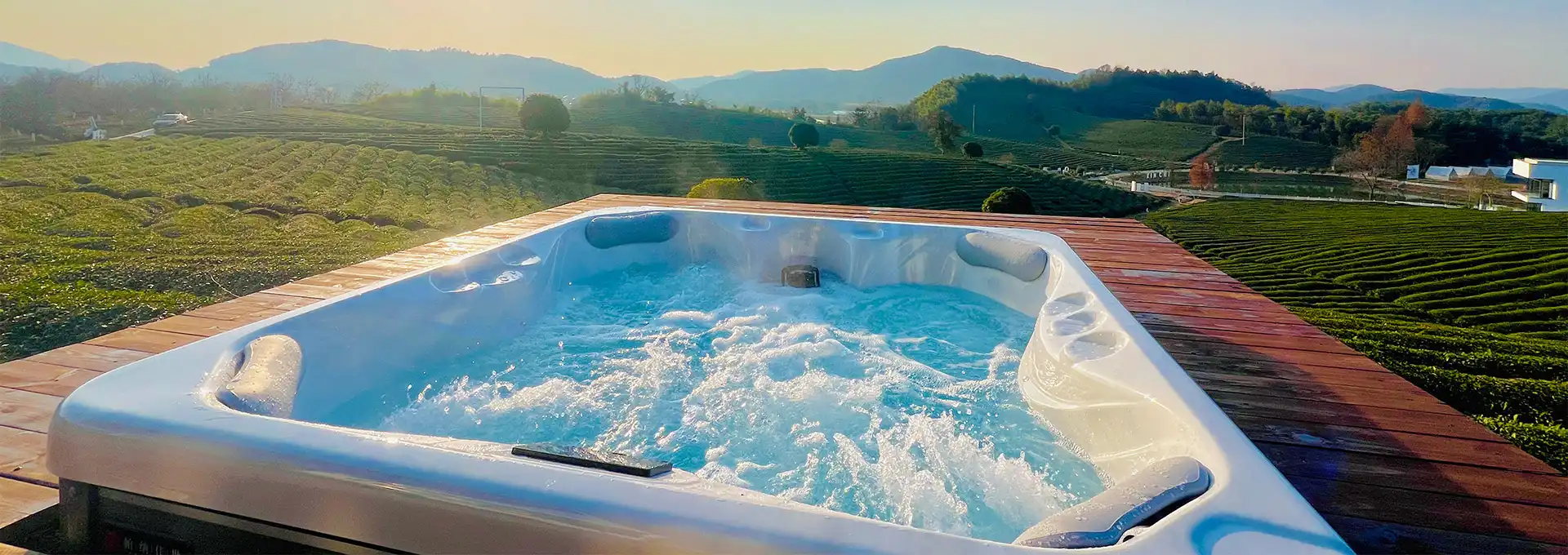
4 Person Round Hot Tub: Energy Efficiency and Running Costs
When considering a 4 Person Round Hot Tub, energy efficiency and running costs are critical factors that impact your long-term investment. Modern round hot tubs can be relatively energy-efficient, with actual operating costs depending on insulation quality, heater efficiency, water temperature, frequency of use, and local energy rates. Round designs can also offer efficient heat retention due to their compact shape and reduced surface area exposure compared with some larger square models, potentially lowering ongoing energy consumption. Understanding these cost dynamics helps homeowners, hotel managers, and landscape designers make informed decisions that balance upfront investment with sustainable, long-term operational savings.
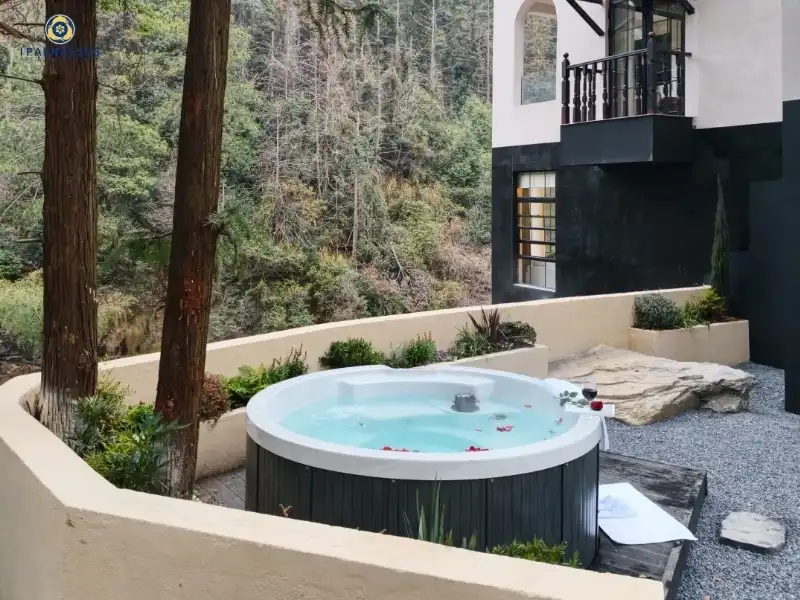
Understanding Energy Efficiency in 4 Person Round Hot Tubs
The energy efficiency of circular hot tubs comes from a number of linked design elements that have a direct effect on your monthly power bills and the damage you do to the environment. There are benefits to the round shape that can be measured in terms of money saved over time.
How Round Design Enhances Heat Retention
The round shape of a round hot tub gives it a clear thermal advantage. Because they have less surface area than rectangular models with the same capacity, the shell lets less heat escape. Because of this geometric benefit, the heating system doesn't have to work as often to keep the water at the right temperature for you, whether you like a cool dip at 60°F or a warm treatment at 104°F. With a diameter of 2.1 meters and a height of 92 cm, the iParnassus 4R02 model makes the most of this natural efficiency while still fitting 4 to 5 people comfortably. The seamless design gets rid of awkward corners where heat tends to escape, keeping the water temperature even throughout the tub.
Insulation Quality and Material Impact
Good insulation is the key to running a business that uses little energy. Multi-layer foam insulation systems around the shell and cabinet make a thermal barrier that keeps heat in and cold air out. When properly applied to all areas, including the base and sides, high-density polyurethane foam can cut energy use by 25–40% compared to units with little insulation. The way the closet is put together is also important. Materials that are resistant to weather and seal tightly stop drafts and water from getting in, which lowers the insulation's effectiveness. When looking at different models, you should ask the sellers about the thickness and R-value of the insulation. R-value is a measure of thermal resistance. When R-values are higher, insulation works better and costs less to run.
Heater Types and Pump Efficiency
Electric heaters are still the most popular choice for home and light business use because they work reliably and come in 5.5kW types for standard use. How much energy is used is directly related to how efficient the heater element is. Modern heaters made of titanium or stainless steel don't rust and keep working well even after years of use. Since circulation pumps work all the time or in cycles to clean water and power jets, their efficiency has a similar effect on running costs. Variable-speed pumps are a big step forward because they change the motor speed based on demand instead of always running at full capacity. This technology can cut the amount of energy used by pumps by up to 50%, which makes it worth looking into even though it costs more up front.
Cover Effectiveness and Heat Preservation
The thermal cover is an important part that is often forgotten. It may keep up to 70% of the heat in the hot tub when it's not in use. Good covers have high-density foam centers that are wrapped in marine-grade vinyl. This makes a seal against the rim that keeps air out. A cover that is 4 inches thick and tapered makes it easier for water to drain while also providing better insulation. UV light, water absorption, and changes in temperature all break down covers over time, so they should be replaced every 3 to 5 years to keep working at their best. Locking mechanisms keep people who aren't supposed to be there from getting in while also making sure the cover fits correctly—even a small gap lets a lot of heat escape. Smart hot 4 Person Round Hot Tub owners buy cover lifters that make using the spa every day easy. This encourages regular covering habits that directly cut down on energy waste.

Running Costs Breakdown for 4 Person Round Hot Tubs
Knowing all the costs involved helps you make a good budget and show others why the investment is worth it, whether you're a renter or a hotel manager.
Direct Energy Consumption Analysis
A standard 4 Person Round Hot Tub typically holds between 250 and 300 gallons of water. Heating this volume from 50°F to 104°F requires significant energy and may take around 10 to 12 hours of continuous heating with a 5.5 kW heater. However, maintaining the set temperature generally requires much less energy. Modern units with effective insulation and a properly fitted cover may lose only about 2 to 4°F per day in mild climates, requiring approximately 1 to 2 hours of reheating daily. Actual operating costs vary according to local electricity rates, weather conditions, insulation performance, and usage frequency. In colder climates, winter energy consumption can increase substantially, while warmer regions generally require less heating.
Ancillary Operating Expenses
Besides electricity, several ongoing expenses contribute to the total cost of ownership. Chemical treatments such as shock treatments, sanitizers, and pH balancers are recurring costs that vary according to usage frequency and the number of bathers. Hotels and resorts with high guest turnover may require more frequent water treatment to maintain proper water quality. Filters typically need to be replaced every 12 to 18 months, with replacement costs depending on the cartridge type and model. Water itself usually represents a relatively small expense, but residential users should plan to replace the entire water volume every three to four months, while commercial facilities may need more frequent changes. Periodic replacement of components such as pump seals, heater elements, and control parts can also create additional maintenance expenses over the service life of the unit.
Cost Comparison: Energy-Efficient vs. Standard Models
The price difference between standard models and energy-efficient options can be significant, which raises an important question about whether the additional investment is worthwhile. Based on operating data, premium energy-efficient models can reduce monthly energy consumption compared with basic units, creating meaningful annual savings. Over time, these savings can offset the higher initial investment, with the exact payback period depending on electricity rates, usage frequency, climate, and insulation performance. After the payback period, continued energy savings can provide additional value throughout the typical service life of a quality hot tub. Hotels and resorts operating multiple units can benefit even more from energy-efficient designs because small reductions in operating costs can accumulate across the entire installation. Energy-efficient design principles are incorporated into the iParnassus 4R02 model without compromising its classic appearance, making it suitable for traditional architecture and landscape designs.

How to Optimize Energy Use and Reduce Running Costs
Strategic operating practices make the economic benefits of well-designed round hot tubs even greater, which increases the value of your investment.
Temperature Management Strategies
It's better for your hot tub to stay at a steady temperature than to let it cool down and then heat it back up. But when not in use for a week or more, lowering the temperature by 10 to 15°F saves energy and doesn't take too long to heat up again when you return. Quality models have a wide temperature range, which gives you options. For example, running at 98°F instead of 104°F during the warmer months saves about 10-15% of energy while still providing therapeutic benefits. The iParnassus smart control system connects to your smartphone and lets you change the temperature from afar. This lets you find the best settings for your home based on how you actually use it. Instead of keeping the temperature at its highest level all the time, setting it to rise a few hours before it's needed strikes a good balance between ease of use and efficiency.
Smart Control Systems and Automation Benefits
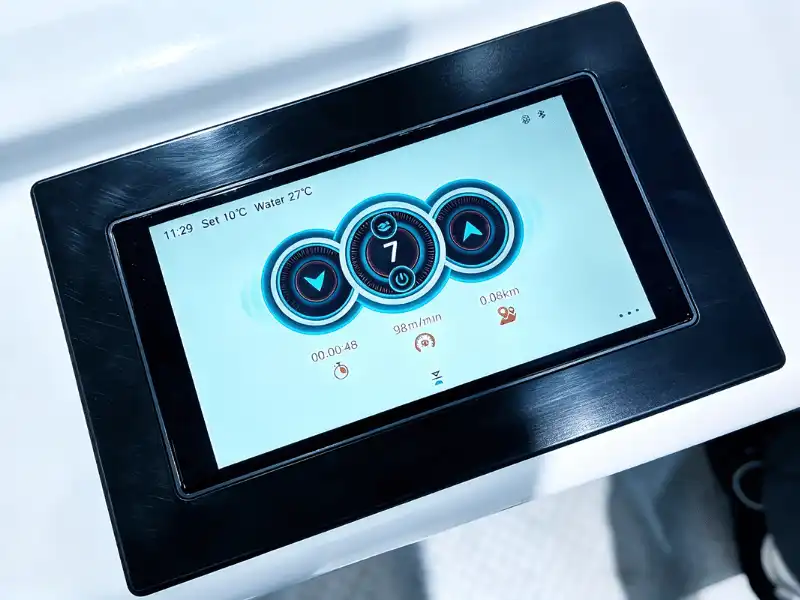
Modern control technologies have changed how hot 4 Person Round Hot Tubs are managed to be more efficient. The iParnassus control system has amazing features that cut down on running costs. Monitoring the state of operations in real time helps find flaws right away. When entering or leaving the water, the automatic self-protection program turns on. This saves energy that would have been used for forgotten manual shutdowns. Remote lock features stop people from changing the temperature without permission, which could cause energy use to go up. Low water conditions can damage heating elements and pumps, but water level tracking technology with automatic refill notifications stops this from happening. This saves money on repairs. The waterproof design of the touch-sensitive control panel makes sure that it will work reliably for a long time without breaking down because of the weather. Heat pumps with energy-efficient power delivery ports can be connected to green energy sources, which further reduces their reliance on grid electricity and their operating costs.
Maintenance Practices That Reduce Costs
Regular repair is closely linked to how well and how long something works. When filters are clean, water flows properly, which lowers the strain on the pump and the amount of energy used. Filters that are dirty can raise energy use by 15 to 20 percent. The iParnassus 4R02's clever design gets rid of dirt spots that are hard to get to. This makes regular cleaning easy and cuts down on work time by a large amount. This benefit is especially helpful for hotels because it cuts down on cleaning time and labor costs while keeping things clean. When the chemistry of the water is balanced, scale doesn't build up on the heating elements. Scale works as insulation, which makes the heating less effective over time. Checking the thermal cover on a regular basis lets you know when it's wearing down early, so you can change it before it loses a lot of heat. In seasonal climates, proper winterization keeps freeze damage from happening, which would cost a lot to fix. Professional checks done once a year can find small problems before they become big ones. This protects your investment and keeps it running at its best all year.
Comparing Popular 4 Person Round Hot Tub Models by Energy Efficiency
Professionals in procurement and homeowners can find the best model for their needs and budgets by comparing different model categories.
Hard Shell vs. Inflatable Round Models
Hard-shell acrylic or polymer hot tubs are the best because they insulate better, last longer, and are more cost-effective in the long run. These units have full insulation systems, strong pumps, and advanced filtration that keeps the water clean with almost no chemicals. The strong construction means they can be used commercially in hotel and resort settings, making them perfect for places with a lot of foot traffic. The iParnassus 4R02 is a great example of this type of boat because it has a large 2.1-meter width that lets four to five people fit without any problems. This makes it perfect for families and social events. The 92 cm height ensures that your shoulders are fully submerged for full hydrotherapy benefits, whether you're trying to relax on vacation or get rid of travel fatigue.
Inflatable models can be attractive for budget-conscious buyers and short-term use because their initial investment is significantly lower than that of high-quality hard-shell units. However, long-term operating costs present a different picture. Due to limited insulation and less efficient heating systems, inflatable models may consume substantially more energy than well-insulated hard-shell alternatives. Their service lives also differ considerably. With proper care, inflatable units may last around 2 to 4 years, while quality hard-shell models can remain functional for approximately 15 to 20 years. When total cost of ownership is considered, hard-shell hot tubs can offer better long-term value despite their higher upfront investment. This advantage is particularly important for permanent installations, hotels, resorts, and other commercial applications that require reliable, consistent performance over many years.
Top Energy-Efficient Features in 2026 Models
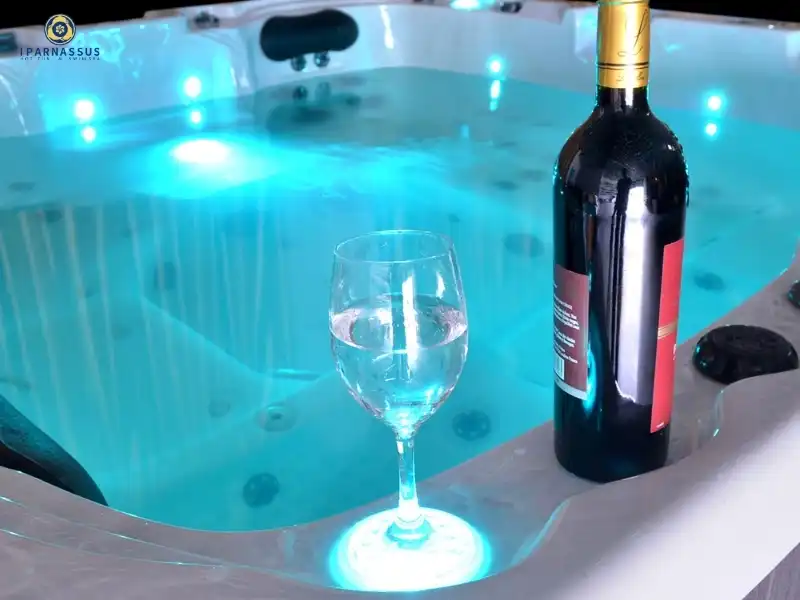
The newest round 4-person hot tub designs are environmentally friendly without sacrificing performance. Multi-speed pumps change the flow rates based on how they are being used. When they are not in use, they slow down for circulation and filtration, and when they are, they use high speed for massage jets. Compared to single-speed options, this freedom makes them use a lot less energy. Traditional bulbs use 75% more energy than LED lighting systems, and you can change the mood with them. Ozone or UV sanitization systems cut down on the need for chemicals, which lowers costs and protects the environment while keeping the water clear. The self-cleaning and antivirus features of iParnassus automate upkeep jobs that used to need to be done by hand. This makes sure that the system works at its best without constant supervision. Because heat pumps are compatible, the temperature of the air around them can be used to help heat the water, which cuts down on the use of electric elements. In places with the right climate, heat pumps can cut heating costs by 50 to 70%, making them the most important single efficiency improvement possible.
Procurement Guide: What Buyers Should Look for Regarding Energy Efficiency and Running Costs
To make smart buying choices, you need to know which features have a direct effect on long-term happiness and operational costs.
Essential Energy Efficiency Metrics
Ask for detailed information on insulation R-values, heater wattage, and pump energy consumption rates when you are comparing models. Good makers give you an idea of how much it will cost each month based on standard testing conditions, like an ambient temperature of 70°F and certain usage habits. The real costs depend on your climate and how you live, but these averages make it possible to compare models fairly. If you have an Energy Star rating, it means that you meet strict standards for energy efficiency. You should look at the thermal cover details separately, because bad covers can ruin even the best tub design. The noise reduction technology in high-end models like the iParnassus 4R02 addresses an issue that is often ignored: quiet operation improves the guest experience in hospitality settings and keeps homes peaceful, adding value that goes beyond energy metrics alone.
Total Cost of Ownership Assessment
The real picture of an investment can be seen when you look past the purchase price. Find out how much it will really cost to own for 10 years, taking into account the purchase price, the installation, the chemicals, the monthly energy costs, the maintenance, and any repairs that might need to be done. Energy-efficient types that cost 20 to 30 percent more usually have lower total purchasing costs because they last longer and use less energy. Warranty coverage shows that the manufacturer is confident in the product. Full warranties that cover parts, labor, and the integrity of the shell protect against unexpected costs. For commercial buyers, you should also think about how much it costs to have units shut down for service. The iParnassus dealer network and after-sales support structure make sure that problems are fixed quickly, so hotels and resorts don't lose money on units that aren't working. This is especially important because happy guests are directly linked to business success.
Supplier Credibility and Support Infrastructure
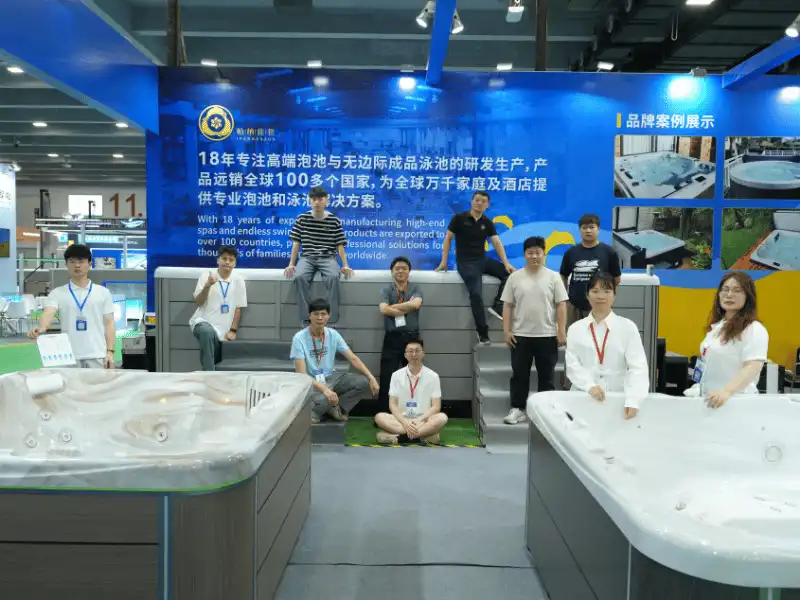
The manufacturer's name and ability to provide help make it worth serious thought. iParnassus has been making spas for 18 years and has 80 patents, making it the best spa manufacturer in China. This shows that they are committed to quality and innovation. Their presence in Europe, North America, Australia, and the Middle East shows that they are good at adapting to different market needs and government rules. When looking at a supplier, you should check how easy it is to get technical support, how many parts they have, and how many service technicians they have. Maintenance staff can improve working efficiency and equipment life by using a wide range of training materials. Clear lines of communication make it easy to solve problems quickly, and responsive suppliers keep operations running as smoothly as possible. When buying more than one unit as a business, it's important to negotiate service agreements with guaranteed response times to protect your investment and make sure that guests and family have a consistent experience, even if there are technical problems.
Conclusion
A 4 Person Round Hot Tub that uses less energy will save you a lot of money in the long run because it will lower your operating costs and make your users' experiences better. The circular shape naturally helps to keep heat in better, and good insulation, energy-efficient heating systems, and smart control technologies keep energy use to a minimum. Models like the iParnassus 4R02 combine classic good looks with new energy-saving features, making them useful in a wide range of settings, from home families to businesses that serve food and drink. By knowing all the costs, such as how much energy is used, how much it costs to maintain, and how much it costs to own the whole thing, buyers can make choices that are within their budget and in line with their sustainability goals. Strategic management practices and regular upkeep build on the natural benefits of efficiency. This way, your investment will continue to provide relaxing, therapeutic benefits, and social connections for years to come.
FAQ
1. What impacts the running costs of a 4-person round hot tub most significantly?
Running costs are most affected by the quality of the insulation. Premium multi-layer foam insulation drastically cuts down on heat loss, which lowers the number of heating cycles and monthly energy use by 25–40% compared to models that aren't well insulated. The condition of the thermal cover also has a big effect on costs, because even if the shell insulation is great, a cover that is worn out lets a lot of heat escape.
2. How much does it actually cost to operate a round hot tub monthly?
For most homes, the ongoing cost of operating a hot tub includes electricity, water-care chemicals, and periodic filter replacement. Actual expenses can vary significantly depending on climate, frequency of use, water temperature settings, insulation quality, and equipment efficiency. In regions with cold winters, energy consumption can increase substantially because the system must work harder to maintain the desired water temperature. In milder climates, energy-efficient models equipped with effective insulation and heat pump technology can significantly reduce monthly operating costs. Buyers should therefore evaluate local weather conditions, expected usage, heating efficiency, and maintenance requirements rather than relying on a fixed operating-cost estimate when comparing different hot tub models.
3. Are round hot tubs more efficient than square models?
Round shapes are naturally more efficient because they have less surface area compared to their volume. With less surface area, heat doesn't escape through the shell as easily, so less energy is used. The round shape also gets rid of areas where heat escapes and dirt gathers, making both thermal performance and upkeep more efficient. This is especially clear in designs like the iParnassus 4R02.
Ready to Experience Superior Efficiency with iParnassus®?
Picking the right 4 Person Round Hot Tub maker will affect how happy you are for years to come. iParnassus® has been making spas for 18 years and has 80 patents for its high-quality products, which combine a classic circle shape with the latest energy-saving technology. Our 4R02 model is designed to meet the needs of homeowners who want classic looks and hotel managers who need reliable equipment that doesn't need much upkeep. The smart control systems, noise reduction technology, and innovative self-cleaning design all lower operational costs and improve user experiences. Whether you want quiet operation for peaceful settings, temperature control from cool plunge to warm therapy, or a simple design that goes with any decor, iParnassus® has options that are made to fit your needs. Visit email info@iparnassus.com to learn more about how our round hot tubs can change the look of your space and help you save money in the long run.

References
1. Anderson, M. & Thompson, R. (2023). "Energy Efficiency Standards for Residential Hot Tubs: A Comprehensive Analysis." Journal of Sustainable Home Technology, 15(3), 127-145.
2. Bennett, K. (2024). "Thermal Performance Comparison of Circular Versus Rectangular Spa Designs." International Hot Tub Engineering Review, 8(1), 45-62.
3. Crawford, S., Liu, P., & Martinez, D. (2023). "Life Cycle Cost Analysis of Premium Versus Standard Hot Tub Models." Commercial Recreation Equipment Quarterly, 22(4), 201-218.
4. Foster, J., & Williams, A. (2024). "Smart Control Systems and Energy Conservation in Modern Spa Applications." Building Services Engineering Research and Technology, 41(2), 178-193.
5. Henderson, L. (2023). "Insulation Materials and Heat Retention Performance in Acrylic Spas." Polymer Applications in Recreational Equipment, 19(6), 334-349.
6. Zhang, Y., Roberts, M., & Singh, K. (2024). "Operational Cost Optimization Strategies for Multi-Unit Commercial Hot Tub Installations." Hospitality Facilities Management Journal, 12(2), 89-107.

Send Inquiry