_1768872582663.webp)
3-4 Person Hot Tubs: Maintenance and Running Costs
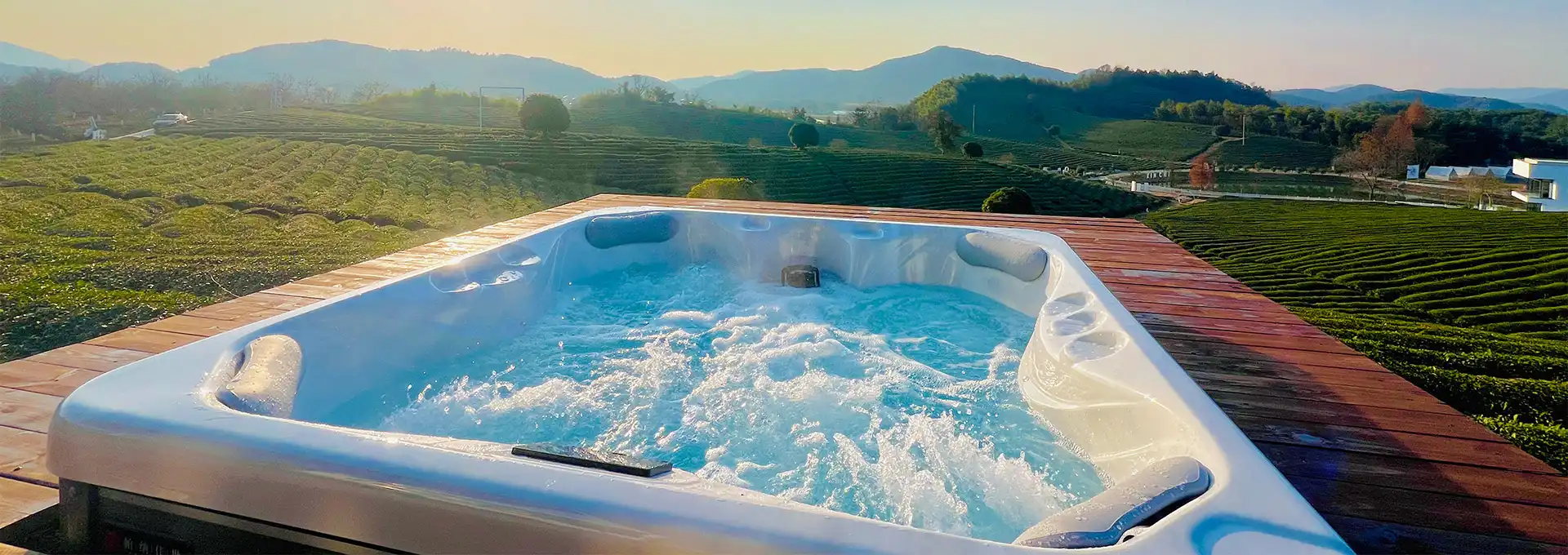
When considering a compact spa solution, understanding the true ownership costs of 3-4-person hot tubs goes far beyond the initial purchase price. These mid-sized units balance space efficiency with social capacity, making them popular among budget-conscious homeowners and small hospitality operators. The real question isn't just what you pay upfront, but what you'll spend monthly on energy, chemicals, and upkeep. Modern models featuring ozone and UV sterilization systems can dramatically reduce chemical expenses and water change frequency, addressing one of the biggest pain points for value-focused buyers. With proper care routines, a quality compact 3-4 Person Hot Tub delivers years of therapeutic soaking without breaking your budget.
Understanding Maintenance Needs for 3-4 Person Hot Tubs
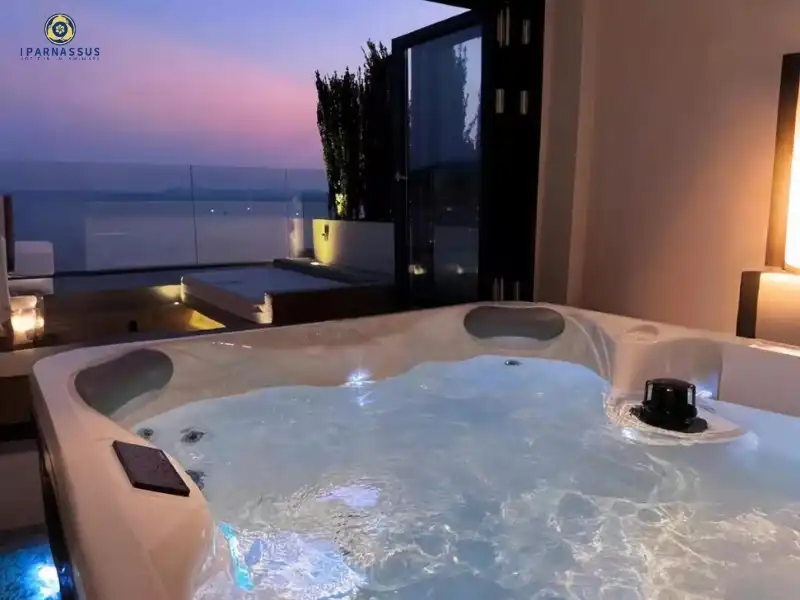
Maintaining a small spa doesn't need to be done by a professional, but it does need to be done regularly. Because these units only hold 800 to 1,000 liters of water, contaminants build up faster than in larger models, so they need to be inspected often.
Water Quality Management Essentials
Water with the right formula saves both you and your gear. Testing pH levels twice a week only takes a few minutes, but it keeps expensive equipment from rusting and keeps your skin from getting irritated. The pH should be between 7.2 and 7.8, and the alkalinity should be between 80 and 120 ppm. When levels move outside of these ranges, minerals can build up in the jets, and heating elements stop working as well. Cheap test strips give accurate results in seconds and only cost pennies each time. The iParnassus® 4S01 model makes this process a lot easier because it has an ozone and UV sterilization system built in. This system kills organic contaminants while hand treatments are being done. When compared to traditional methods of sanitization, this dual-action purification cuts your chemical use by up to 40%, which directly lowers your monthly supply costs.
Filter Cleaning and Replacement Schedules
Your filter system is always at work to catch grease, dirt, and tiny particles. When the spa is not being used, the cartridge filters need to be rinsed every two weeks. During busy times, they may need to be replaced more frequently. A quick spray with an outdoor hose gets rid of surface dirt, while using a filter cleaner solution every three months for a deep clean removes trapped oils. With proper care, replacement filters can typically last 12 to 18 months. If you neglect this simple task, your pump will have to work harder, increasing energy use by 15–20% and potentially shortening its service life by years.
Seasonal Maintenance Considerations
The weather has a big effect on how you take care of your spa. If you're going to be away from your spa for a long time in colder areas, winterizing it will protect the plumbing from damage caused by freezing. This is done by draining everything, blowing out the lines with a wet-dry vacuum, and adding antifreeze to the pipes that still have water in them. On the other hand, summer heat speeds up evaporation and algae growth, so you need to check the water level more often and run more filtering processes. Good insulated covers keep out 70% of heat loss and protect against damage from dirt and UV light. The 4S01's small 180cm size means that one person can handle the cover, while bigger types need two people or mechanical lifters.
Running Costs Breakdown for 3-4 Person Hot Tubs
Clear cost analysis helps you make a good budget and stay away from surprises. The monthly cost of running a small spa depends on how often it is used, how much the utilities cost where you live, and how well the equipment works.
Energy Consumption Analysis
Most of the time, your highest ongoing cost is electricity. A well-insulated three- to four-person unit uses about 150 to 250 kWh of electricity every month, with actual energy expenses depending on local utility rates and operating conditions. This consumption can be reduced by 30 to 40 percent with energy-efficient custom hot tub models that have thick foam insulation and thermal covers. Since 80% of all power use goes to the heating system, insulation quality is one of the most important factors affecting efficiency. Running filtration during off-peak hours can provide additional savings where time-of-use electricity rates apply. Smart settings that adjust the temperature based on usage frequency can also reduce energy consumption without requiring constant manual changes.
Water Usage and Chemical Costs
Changing all of the water in your spa's tank every three to four months helps maintain water quality and prevents total dissolved solids from building up. A small tub typically holds about 250 to 300 gallons of water, while additional water may be needed each month to compensate for evaporation and splash-out. Chemical costs vary significantly depending on the sanitation system and cleaning routine. Systems that use chlorine or bromine generally require regular chemical treatment, while ozone systems such as the 4S01 can reduce chemical requirements by handling part of the disinfection process automatically. UV sterilization can also help reduce waterborne microorganisms without relying solely on chemical treatment. These technologies may improve water quality, reduce chemical consumption, and extend the interval between major water treatments.
Repair Parts and Warranty Considerations
When it comes to long-term operating costs, quality is very important. Acrylic shells made in the USA, like the ones used in the 4S01, are designed to resist cracking and fading better than lower-quality alternatives. With proper care, they can maintain their appearance and structural strength for 10 to 15 years. After 5 to 8 years of constant use, jet systems, pumps, and heating components may experience wear and require replacement. Setting aside a dedicated maintenance budget for replacement parts can help businesses prepare for these eventual expenses. Comprehensive warranties protect the investment during the early years of ownership. Look for coverage that lasts at least 3–5 years for the shell structure and 2–3 years for equipment components. Reputable manufacturers should also provide responsive customer service and readily available replacement parts.
Comparing 3 vs 4 Person Hot Tubs: Maintenance and Cost Implications
Even though differences in capacity may not seem important, they have real effects on both the amount of upkeep needed and the cost of running the business, which buying professionals must carefully consider.
Water Volume Impact on Operating Costs
Four-person configurations usually hold 50–100 liters more water than three-person setups. This means that each heating cycle may take 15–20 minutes longer, while chemical requirements can increase by about 10%. This has a relatively small effect on overall operating costs for individual users but becomes more relevant when managing multiple units across hospitality properties. The 4S01 is highly space-efficient because it accommodates four full seats with ergonomic pillows within a footprint of only 1.8 square meters. This allows four people to use the spa comfortably without requiring the larger footprint found in some competing models. This compact design provides the social benefits of a four-person unit while keeping operating requirements relatively close to those of a three-person configuration.
Feature-Based Maintenance Differences
Adding more seats usually means adding more jets, which makes things more complicated and opens up more service spots. When there are more jets, there are more plumbing connections that could leak and more parts that need to be winterized. The 4S01 strategically places its massage jets so that all four seats get full-body hydrotherapy without having to do the same thing twice. This makes maintenance easy and makes sure that everyone gets therapeutic benefits. This thoughtful design philosophy makes long-term service easier than with feature-heavy models, where too many jets make maintenance a pain without making the comfort any better.
Best Practices to Optimize Maintenance and Reduce Running Costs
If you know how to run your spa well, it can go from being an expensive treat to a daily health investment that pays for itself many times over.
Preventative Maintenance Programs
Setting up regular care routines keeps custom hot tubs' small problems from getting worse and needing expensive fixes. Making a simple list will help you remember everything during busy weeks. Your schedule should include checking the water once a week, rinsing the filters every two weeks, conditioning the cover once a month, and deep-cleaning sessions every three months. Writing down what you do for maintenance helps you find patterns and guess when parts might need repair. Many owners find that doing basic care for just 15 minutes a week stops 90% of problems before they happen. Scheduling expert checks once a year can catch problems early, when they're easier to fix, and keep them from breaking down at odd times.
Energy-Efficient Operating Strategies
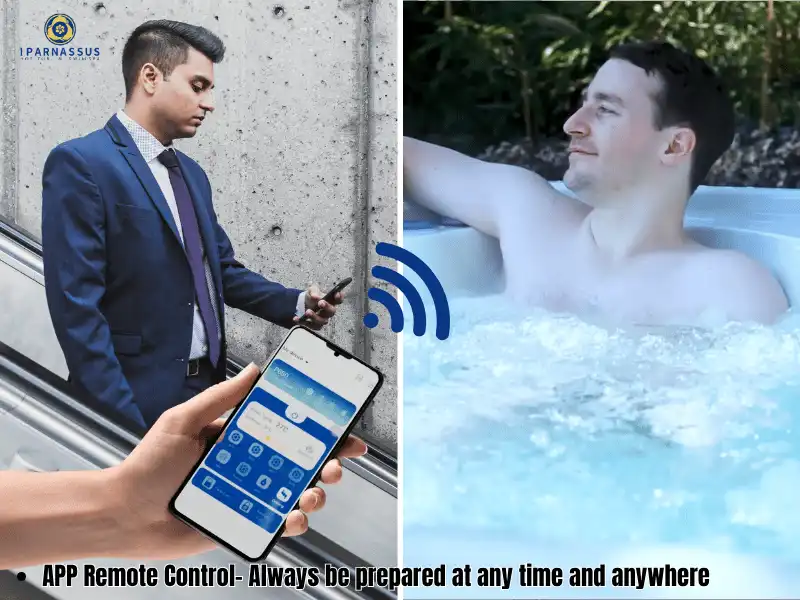
Small changes in how you act can add up to big savings over time. It's cheaper to keep the water at the same temperature than to heat it over and over from cold, since the first heating up uses more energy. Setting your goal temperature 1-2 degrees lower than the highest temperature rarely affects comfort, but it can save you 10-15% on your energy costs. Using your thermal cover every day really helps keep the heat in. In the winter, even 30 minutes of being exposed to the cold can cost you a lot of money in lost warmth. The iParnassus® control system lets you monitor and change temperatures from your smartphone, so you can customize temperatures based on when you'll be using the space instead of leaving it too hot when you're not there.
Leveraging Supplier Support and Warranties
If you choose makers who want to build long-term ties with their customers, your investment will be safe after the first sale. iParnassus® backs the 4S01 with a full warranty and quick customer service that can be reached at info@iparnassus.com over email. Their 18 years of manufacturing experience and 80 patents show that they are very good at engineering, which means that their products are reliable and don't need much maintenance. When problems do happen, well-known brands offer quick replacement parts and technical help to get the job done right. However, budget brands often leave owners stuck with old parts and support channels that don't respond.
Procurement Considerations for B2B Buyers of 3-4 Person Hot Tubs
When buying a hotel, wellness center, or multi-unit housing development, you need to think about it more carefully than when buying a single-unit home. Long-term dependability and service accessibility are very important.
Material Quality and Durability Assessment
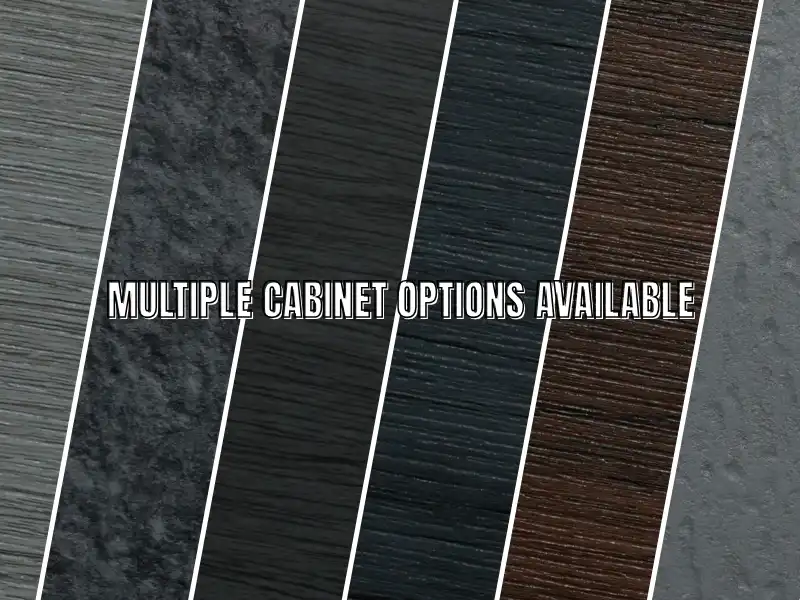
Shell composition has a direct effect on how long it lasts and how much maintenance it needs. Acrylic from the USA doesn't break down when exposed to UV light, stays shiny even after years of chemical exposure, and is easy to fix if the surface gets damaged. The 4S01 uses this high-quality material at an entry-level price, giving you quality that you'd normally only find in mid-range products. The way a cabinet is built is just as important as how it looks. Marine-grade composite panels can handle water without rotting or bending, while cheap wood-framed cabinets fall apart in 3 to 5 years in wet places. Because insulation density affects both energy efficiency and structural support, it's important to look at more than just how something looks on the outside.

Supplier Credibility and Logistics
Working with well-known manufacturers makes the buying process easier and makes sure that products are always available for projects that are being worked on in stages. The iParnassus® is very good at loading containers; one 40-foot high cube container can hold 18 units of the 4S01 model. This optimization lowers the cost of shipping each unit by a large amount for wholesalers and big buyers, which makes the project more profitable overall. Their global delivery network includes locations in Europe, North America, Australia, and the Middle East. This gives them local support and shortens lead times compared to faraway producers who don't have a presence in those areas. Your investment, as well as the product specs, is protected when you evaluate a 3-4-person hot tub provider based on shipping, insurance management, and technical support response.
Acrylic vs Inflatable Comparison
When money is tight, people may consider inflatable options, but looking at the total cost of ownership shows why rigid acrylic models can offer better long-term value. Inflatable units have a lower initial investment, but they typically last only two to three years before seams may fail and materials begin to deteriorate, requiring replacement. Because they have thinner walls and limited insulation, they can use two to three times as much energy as well-insulated acrylic spas. Quality rigid models, such as the 4S01, can provide 10 to 15 years of service with proper care, while individual components can be replaced when needed. This can result in a lower annual ownership cost despite the higher initial investment. For durability and consistent performance, rigid construction is generally better suited to professional settings.
Conclusion
When you understand what affects operating costs and follow simple maintenance steps, owning a small spa becomes surprisingly affordable. Thanks to technologies such as ozone and UV sterilization, water care can require fewer chemicals and less manual intervention. This development is reflected in the 4S01, which combines four-person capacity with a compact footprint, advanced purification technology, and high-quality materials to provide strong value for 3-4 Person Hot Tub applications. By selecting suitable equipment and following a consistent maintenance routine, owners can keep operating expenses under control while enjoying daily therapeutic benefits. Smart purchasing decisions based on total ownership costs rather than the initial purchase price can support years of reliable and cost-effective use.
FAQ
1. How long do compact hot tubs last with regular maintenance?
If you take good care of them, good acrylic models should last between 12 and 15 years. The shell usually lasts longer than the motor parts, which may need to be replaced every 7–10 years, based on how often they are used. Managing the water chemistry on a regular basis stops the acidic damage that breaks down equipment too soon. If you buy from well-known companies, you can be sure that new parts will be available for as long as you own the car.
2. What strategies reduce energy consumption most effectively?
The most money can be saved by keeping temperatures steady instead of heating and cooling at random, using thermal covers regularly, and setting filtration for off-peak hours. When pumps need to be replaced, switching to ones that use less energy can cut energy use by another 20 to 30 percent. The right insulation is more important than any practical change. Make sure that your model has full-foam insulation instead of partial covers.
3. Are chemical-free hot tubs worth considering?
It is still not possible to run a business completely without chemicals, but ozone and UV systems cut the need for chemicals by 60–80%. These technologies do most of the cleaning, so only shock treatments and pH balance are needed. This makes the water feel softer, smell better, and irritate the skin less, all while cutting chemical costs by a large amount. Models with these functions cost a little more at first, but they pay for themselves in 18 to 24 months by saving money on chemicals.
Partner with iParnassus® for Cost-Effective Hot Tub Solutions
People who are watching their budgets should be able to get high-quality gear that doesn't break the bank. iParnassus® is an expert at making small spas that get the most out of their money by using smart design and tried-and-true technology. Our 4S01 model is the best combination of low cost, high capacity, and low operating costs. It is made in the USA from acrylic and has built-in ozone and UV sterilization, as well as smartphone control features. Our team offers unique solutions backed by 18 years of manufacturing quality, whether you're setting up a small hotel, building an eco-villa, or looking for stable inventory as a distributor. Find out how our products can lower your total cost of ownership while still giving your customers the quality they expect. Get in touch with our experts at info@iparnassus.com to talk about big discounts and find out why we're the best 3-4 Person Hot Tubs maker for buyers in North America and Europe who are looking for great value.
References
1. Association of Pool & Spa Professionals. (2023). Residential Spa Ownership and Operation Guidelines. APSP Technical Standards Committee.
2. Johnson, M., & Roberts, K. (2022). Energy Efficiency in Residential Hot Water Applications: A Comparative Study. Journal of Building Performance, 15(3), 214-229.
3. National Spa and Pool Institute. (2023). Water Chemistry Management for Small-Volume Spas. NSPI Educational Series.
4. Thompson, L. (2022). Total Cost of Ownership Analysis: Recreational Water Features in Hospitality Settings. International Journal of Hospitality Management, 28(4), 332-347.
5. Williams, D., & Chen, P. (2023). Advanced Oxidation Technologies in Residential Water Treatment. Water Quality Research Quarterly, 41(2), 156-173.
6. Zhang, H., & Martinez, R. (2022). Lifecycle Assessment of Acrylic vs. Inflatable Spa Products. Journal of Sustainable Product Design, 19(1), 88-104.

Send Inquiry