_1768872582663.webp)
Outdoor Swimming Spa – Everything You Need to Know in 2026
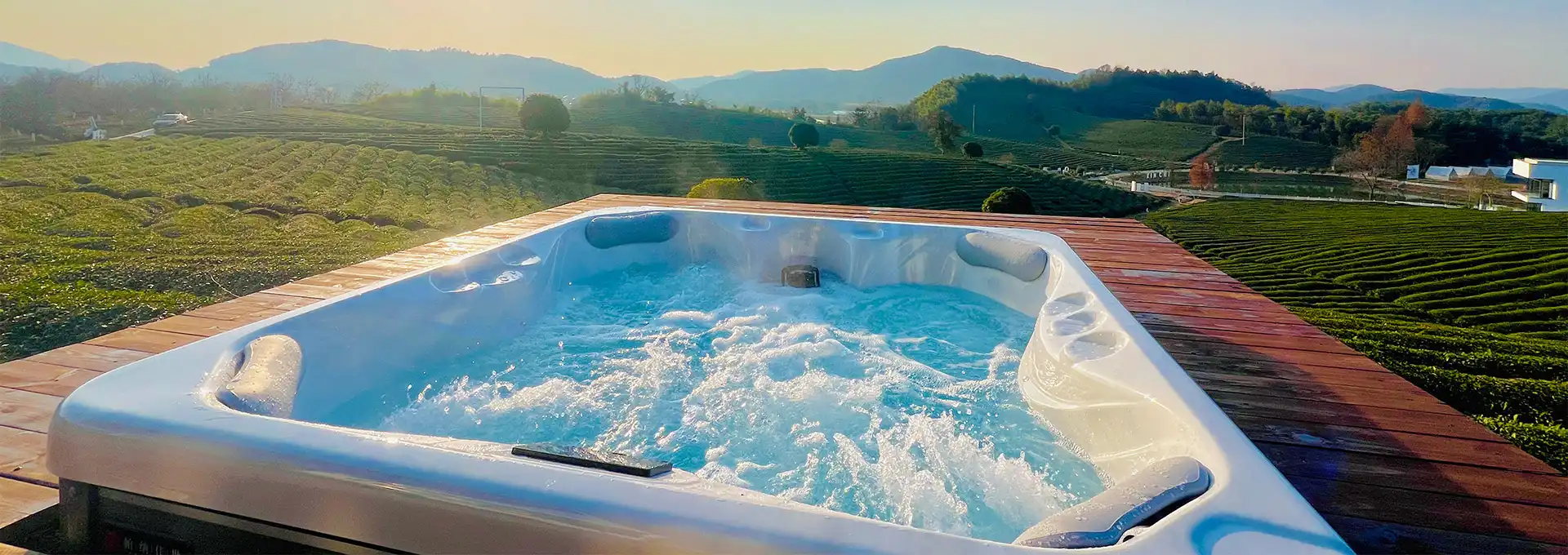
The definition of an Outdoor Swimming Spa and how it fits with operational goals must be clear to decision-makers when evaluating next-generation wellness infrastructure. With their dual-zone hydrotherapy, year-round use, and energy-efficient operation, these units are a smart blend of exercise and therapeutic features. Traditional pools take up a lot of room and need to be maintained during certain times of the year. Modern Outdoor Swimming Spas, on the other hand, offer complete solutions for businesses that want to improve their performance and return on investment, as well as for private farms and wellness centers.
What Is an Outdoor Swimming Spa? A Comprehensive Overview
Defining Core Characteristics and Construction
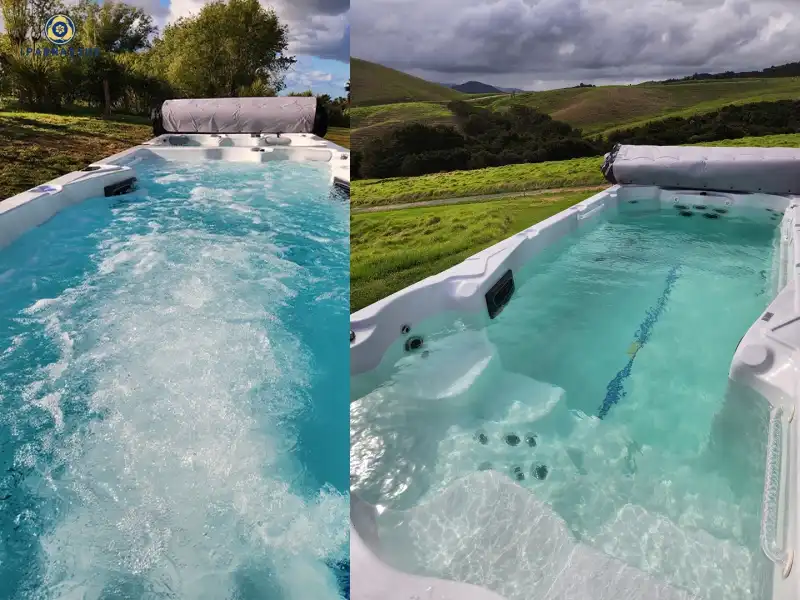
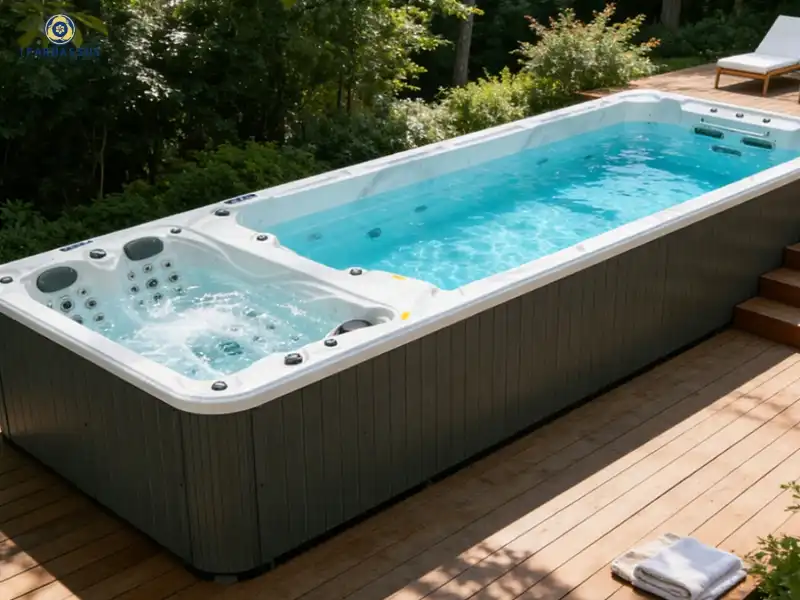
Outdoor Swimming Spas are designed to be health and fitness systems that combine advanced hydrotherapy features with water exercise settings. Modern designs use frames made of stainless steel and strengthened glass to make sure the structure stays strong in all kinds of weather. Premium models have two separate areas that can be heated and cooled separately, so you can swim and massage at the same time. This new idea is shown by the 5U70 model, which has a 572 x 225 x 128 cm footprint and 76 strategically placed jets spread out over swim and relaxation zones.
Health Benefits Backed by Research
Resistance swimming has been shown in several clinical tests to improve cardiovascular health. This makes aquatic exercise perfect for rehabilitation plans. Hydrotherapy massage focuses on certain muscle groups, which improves blood flow and speeds up the healing process. The American College of Sports Medicine found that daily aquatic exercise, along with the right kind of resistance training, can boost cardiovascular fitness by 15 to 20 percent over twelve weeks.
Dispelling Common Misconceptions
Commercial owners are often turned off by how hard it is to maintain, but current filtration systems have changed the way water is managed. When combined with smart control systems, continuous circulation cuts chemical use by 40% compared to regular pools. Concerns about energy use can be handled with improved insulation technology and variable-speed pumps, which can cut annual costs by 50 to 60% compared to traditional pool heating systems.
How to Choose the Best Outdoor Swimming Spa for Your Business?
Critical Technical Specifications
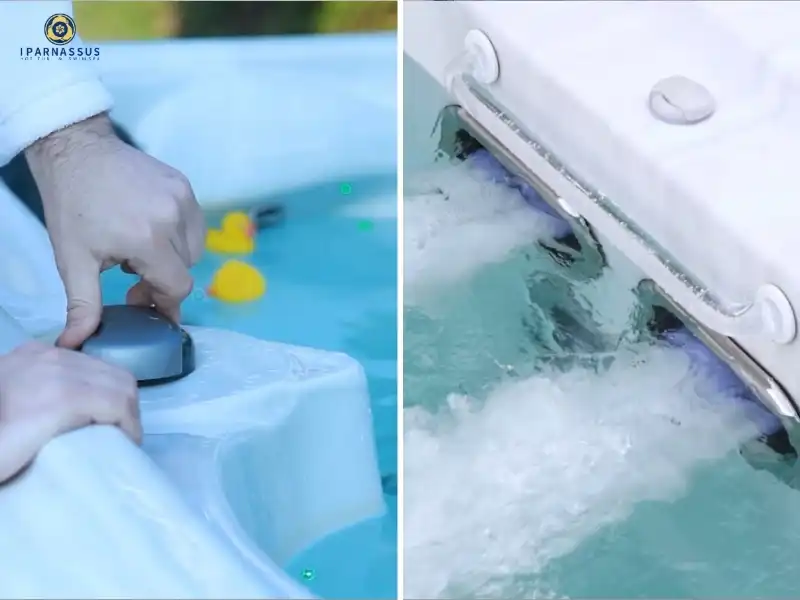
To choose the right equipment, you need to look at the pump's capacity, the jet configuration, and the zoning options. Six 3HP pumps are used in high-performance devices. Three of them create swim currents, two power massage jet arrays, and one moves blood around the body. The number of jets directly affects how well the therapy works. Premium units have 76 or more jets that create different pressure zones. It is important for outdoor projects that the materials last a long time. Marine-grade plastic is better than fibreglass at resisting UV light and keeping heat in.
Comparing Operational Costs
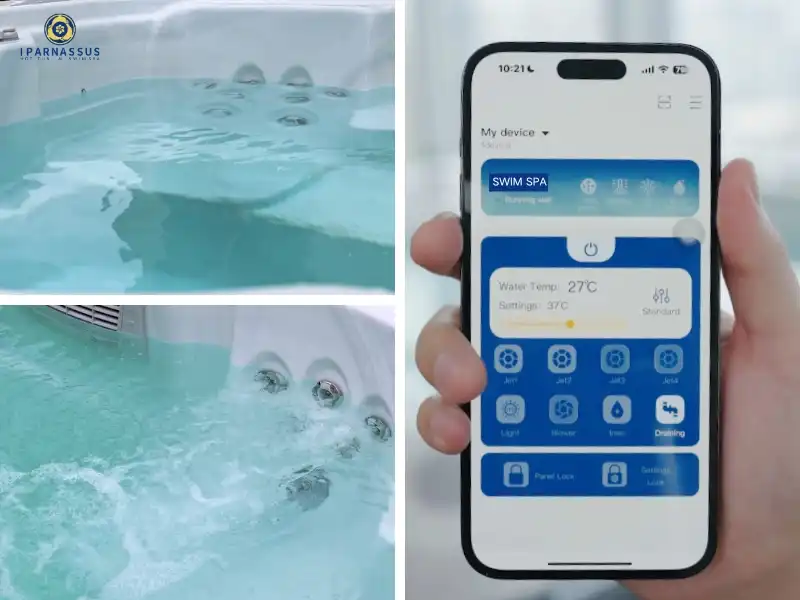
Traditional swimming pools need between 15,000 and 30,000 gallons of water every month, and in mild areas, they cost more than $200 to $400 a month to heat. Outdoor Swimming Spas use between 2,000 and 3,000 gallons of water. Better insulation and thermal covers keep heating costs to $50 to $100 a month. Automated water management systems that check pH levels, temperature, and filtering processes through smartphone integration cut down on maintenance work by a large amount.
Installation Flexibility and Site Requirements
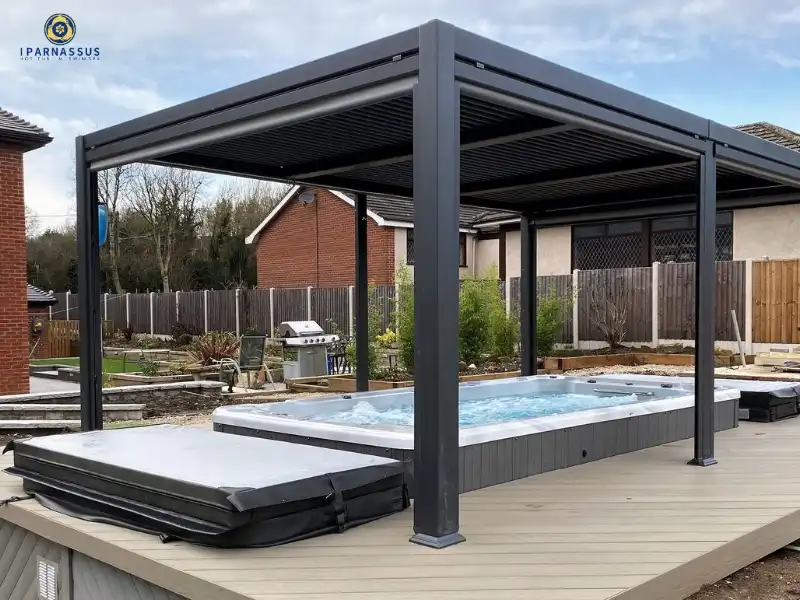
In-ground pools need a lot of digging and permits, but Outdoor Swimming Spas can be installed in a number of different ways. Surface placement on reinforced concrete pads is a cost-effective way to set up, while partial recessing makes it look like it fits in with the scenery. Electrical needs are usually between 50 and 60 amps, which is a lot less than what is needed for a traditional pool. Professional installation teams can finish setting up in three to five business days, which means that commercial properties will have less downtime.
Installation and Maintenance Guide for Outdoor Swimming Spas
Professional Installation Process
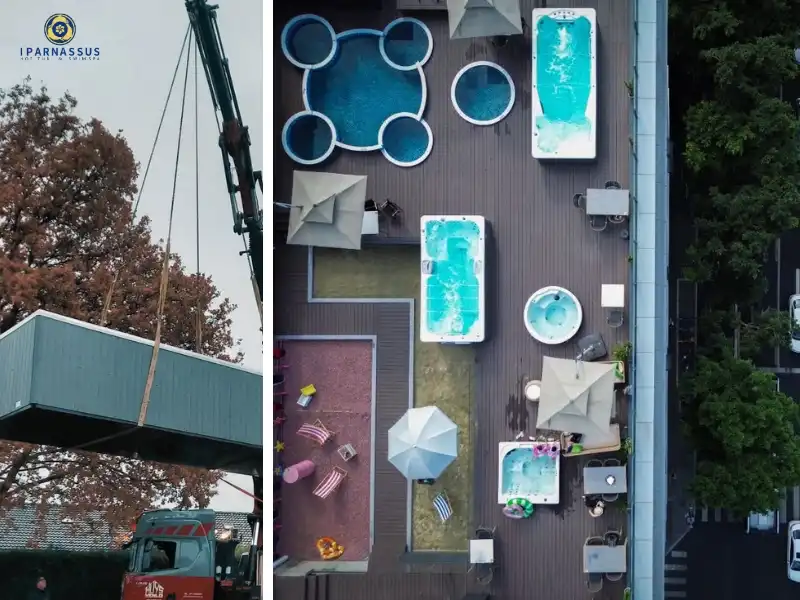
A load-bearing survey is the first step in getting a site ready. This makes sure that the piers can hold 8,000 to 12,000 pounds when they are full. For spa setups, electrical connections must meet the requirements of NEC Article 680, which says that they must have GFCI safety and proper grounding. Connecting drainage systems and optional fill lines is part of plumbing integration. Positioning takes into account ease of maintenance and user safety. Before the final completion, professional teams test all of the pump systems, jet functions, and control interfaces in great detail.
Ongoing Maintenance Protocols
Testing and correcting pH (7.2–7.8), alkalinity (80–120 ppm), and sanitiser levels (1-3 ppm for chlorine) once a week is part of maintaining water chemistry. Filter cartridges need to be rinsed every two weeks and replaced every three months. Each cartridge costs about $40 to $60. The iParnassus® intelligent control system automates a lot of maintenance tasks and lets you check on water levels and operations from your smartphone in real time. When there isn't enough water or the temperature changes a lot, self-protection systems kick in and keep the equipment from breaking down without any help from a person.
Energy Optimization Strategies
Managing temperatures has a big effect on how much it costs to run a business. Using separate controls to keep swim zones at 78–82°F and massage zones at 100–104°F makes the best use of energy based on demand. When not in use, thermal covers stop heat loss by 70–80%, and improved insulation kits keep temperatures stable in temperatures below zero. Variable-speed pumps change the flow rate based on how they are being used. When demand is low, they use 30–50% less electricity than single-speed pumps.
Top Outdoor Swimming Spas and Brands to Consider in 2026
iParnassus® 5U70 Dual-Zone System
The iParnassus® 5U70 Outdoor Swimming Spa is a masterpiece of modern engineering. With 76 jets spread out in separate swim and massage zones, the swim area has 37 jets that are driven by three separate 3HP pumps. These jets create changeable resistance currents that are suitable for both athletes and people who just want to swim for fun. The massage area has 39 large-diameter jets that work in different treatment modes on two lounge seats and a kids' seat arrangement. Separate heating and temperature control are made possible by dual control systems. The swim zone also has massage areas for companions and spots for parents to watch their kids train safely.
The iParnassus® intelligent system in this model lets you handle it from your smartphone, so you can check the water level, change the temperature, and do other tests from afar. When there isn't enough water or the temperature changes, the built-in self-protection program kicks in. Automatic notes make scheduling maintenance easier. With these features, the 5U70 is a complete option for high-end resorts, private estates, and wellness centers that care about both speed and economy.
Emerging Technology Trends
Building management systems can now talk to smart control interfaces, which lets one person keep an eye on many units at once in resort settings. When compared to traditional electric heating, heat pump compatibility cuts energy use by 50–70%, which is especially helpful in business settings. Using advanced filtration with UV-C sterilisation and ozone production lowers the need for chemicals while keeping the water clear. New materials have been made, like antimicrobial acrylic surfaces that stop biofilm from forming and make cleaning easier.
Price Positioning and Value Analysis
According to the number of jets, pump capacity, and level of control complexity, high-end dual-zone systems cost between $18,000 and $32,000. Commercial-grade guarantees that cover structural parts for 5 to 7 years lower the risk of large-scale operations. Financing choices through business-to-business channels offer terms that work with capital budgeting cycles, and lease agreements are available for hotel owners who manage more than one property. When comparing different recreational water systems, the total cost of ownership should take into account things like energy savings, less upkeep work, and longer operating lifespans.
Ensuring Safety and Compliance with Outdoor Swimming Spas
Regulatory Framework in North American Markets
Installations in the United States must follow ANSI/APSP standards that cover electrical safety, preventing suction entrapment, and barrier requirements. For commercial uses in the exercise and hotel industries, you have to follow the rules set by your local health department about how often to test the water quality and how to stay safe. ADA accessibility rules may require certain entryways and handrails to be installed, based on the type of building and how the local government interprets the rules.
Common Safety Pitfalls and Prevention
Modern designs must have dual drain configurations and hoover release systems that lower the risk of suction trapping. Protocols for managing temperature keep people from getting burnt, which is especially important in massage areas where temperatures can hit 104°F. Slip-resistant surfaces around the equipment make it safer for people to use, and steps with textured treads make getting in and out of the equipment safer. Proper signs showing maximum occupancy, temperature warnings, and depth marks meet responsibility requirements and make people more aware.
Professional Service and Warranty Considerations
Certified repair providers for an Outdoor Swimming Spa make sure that ongoing compliance with changing safety standards and the terms of the manufacturer's guarantee. Complete warranty packages that cover pumps (3-5 years), shells (7-10 years), and control systems (2–3 years) protect capital investments and build partnerships for maintenance. When compared to reactive service methods, preventative maintenance contracts include checks every three months, chemical balance, and diagnostics of the equipment. This cuts down on unexpected downtime and increases the equipment's lifespan by 30 to 40 percent.
Conclusion
In conclusion, for commercial properties and opulent estates that need wellness amenities all year long, Outdoor Swimming Spas are smart investments. The iParnassus® 5U70 dual-zone system shows how advanced engineering can take into account important factors like 76-jet hydrotherapy, six-pump performance, separate zone settings, and smart automation. Energy efficiency through better insulation and smart controls lowers costs while keeping the best user experiences. With the right setup, maintenance, and management of compliance, these systems give you a great return on investment (ROI) through higher property value, happier guests, and more efficient operations that regular pools can't match in small spaces.
FAQ
Q1: What temperature range is optimal for outdoor swim spa operation?
For easy exercise, swim zones keep the temperature between 78 and 82°F, while massage zones keep the temperature between 100 and 104°F for therapeutic benefit. Dual-zone systems, like the iParnassus® 5U70, let you set the temperature in two separate areas, so you can work out and rest at the same time without any problems. People may have different temperature tastes depending on the weather and the type of people who use the Outdoor Swimming Spa. In business settings, swim areas are often kept a little cooler (76–80°F) to save money on energy costs while still working properly.
Q2: How does energy consumption compare to traditional pools?
Outdoor Swimming Spas use 60 to 75% less energy than regular pools of the same size and number of users. A normal swim spa needs only 2,000 to 3,000 gallons of water, while a regular pool needs 15,000 to 30,000 gallons. This means that less heating is needed. Modern insulation and thermal covers keep the temperature stable with little energy input. Variable-speed pumps change their speed based on demand instead of running at full power all the time.
Q3: Can outdoor swimming spas be customized for commercial projects?
Premium makers let you make a lot of changes, like how the jets are configured, how the control system works with building management platforms, how the jets are branded, and how they are accessible. The iParnassus® engineering team gives advice on large-scale deployments, covering things like voltage needs, climate issues, and integrating operating processes for use in health and hospitality facilities.
Partner with a Trusted Outdoor Swimming Spa Manufacturer
In the wellness equipment industry, iParnassus® has 18 years of specialised experience and is China's leader in Outdoor Swimming Spa engineering and manufacturing standards. Our 5U70 dual-zone system has 76 jets, six powerful pumps, and smart smartphone control. It can be used by hotel developers, people building luxury homes, and businesses that run fitness centers. The iParnassus® control system is unique because it allows for remote water management, automatic self-protection, and real-time diagnostics. This makes upkeep easier and increases working efficiency.
We know how to meet the strict needs of both business and high-end domestic installations because we have over 30 patents and have done work in Europe, North America, the Middle East, and Australia. Our team offers full support, from helping with the initial specification to coordinating the installation and providing ongoing technical service. Our engineers create custom solutions that meet your operational goals and budget, whether you're looking for Outdoor Swimming Spas to sell as a distributor or equipment for building a resort. Get in touch with our expert team at info@iparnassus.com to talk about how the iParnassus® 5U70 can improve your property's health options and guest happiness levels.
References
1. American College of Sports Medicine. (2024). Guidelines for Aquatic Exercise Programming and Cardiovascular Health Benefits. Medicine & Science in Sports & Exercise, 56(3), 412-428.
2. National Swimming Pool Foundation. (2025). Energy Efficiency Standards for Commercial Aquatic Facilities: Comparative Analysis of Pool and Spa Systems. NSPF Technical Manual Series.
3. International Association of Plumbing and Mechanical Officials. (2025). Uniform Swimming Pool, Spa and Hot Tub Code: Installation and Safety Requirements for Commercial Applications.
4. Journal of Hydrotherapy Research. (2024). Therapeutic Efficacy of Multi-Jet Hydrotherapy Systems in Rehabilitation Settings. Volume 18, Issue 2, pp. 156-172.
5. Building Services Engineering Research and Technology. (2025). Thermal Performance and Operational Cost Analysis of Insulated Swim Spa Systems in Variable Climate Conditions.
6. Hospitality Design Magazine. (2026). Wellness Amenity Trends in Luxury Resort Development: Swim Spa Integration and Guest Satisfaction Metrics. January Issue, pp. 34-41.

Send Inquiry