_1768872582663.webp)
Square Stainless Steel Hot Tub Pump Noise: Is It Quiet Enough for Night Use?
When high-end homeowners and resort developers put in high-end wellness installations, pump noise becomes an important factor, especially for use at night. When the pump system in a Square Stainless Steel Hot Tub is properly designed and built, it can run very quietly, usually below 50 decibels. Modern 2-speed 2.0HP pumps with CE and TUV standards do this with well-balanced impellers, sound damping, and motors that are designed with more advanced features. The question isn't whether stainless steel spas can be used at night without making a lot of noise; it's about choosing systems that are designed to work well with healing power and sound.
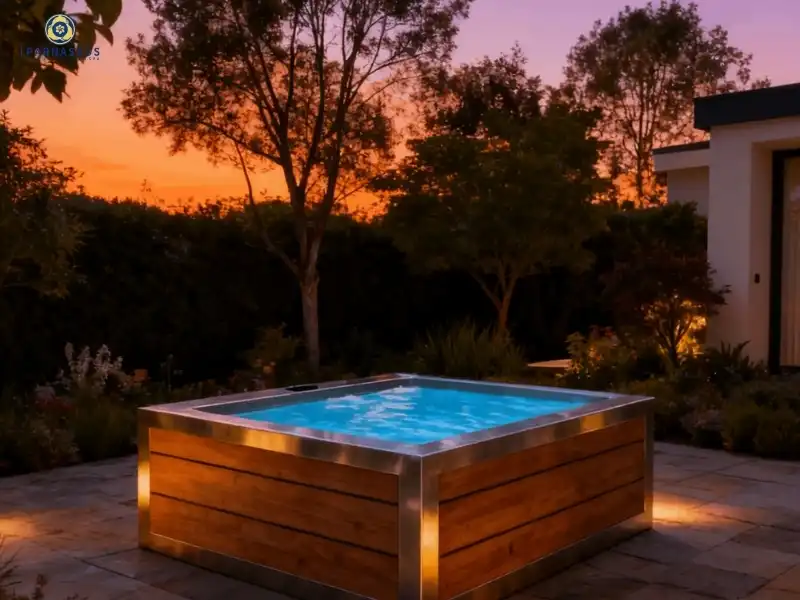
Understanding Pump Noise in Square Stainless Steel Hot Tubs
There are several mechanical causes of pump noise that buying workers need to carefully look at. Sound is made when motors, impellers, and bearings move back and forth, and vibration is when energy is transferred from mounting surfaces to structures around them. Another sound layer is created by moving water in plumbing lines, especially during high-flow massage cycles.
Mechanical Components Contributing to Sound Levels
In any hydrotherapy device, the main sound source is the pump motor. When a 2.0HP pump is running at full speed, it can make noises that are 45 to 65 decibels, based on how well it was installed and how well it works. Premium types have rubber isolators between the motor housings and the mounting clamps, which successfully separate the vibration paths. The design of the impeller is also very important; noise caused by turbulence is less of a problem with impellers that are smooth and dynamically adjusted than with lower-quality parts.
The sound of an action changes over time based on the quality of the bearings. High-precision ceramic or sealed ball bearings are quieter when they're working and stay that way for a long time. On the other hand, cheaper bearings start to grind or whine as they wear out. When looking at spa equipment for business use, you should pay just as much attention to the bearing specs as the horsepower ratings.
How Stainless Steel Material Influences Sound Transmission
When it comes to sound, food-grade 304 stainless steel shells act differently than acrylic or wooden hot tub structures. Metal naturally transfers waves better, which might seem like a bad thing at first. However, the structural weight of properly built Square Stainless Steel Hot Tub units is 251.5 kg, which provides mass damping that stops low-frequency movements before they become sound.
The smooth, non-porous surface of stainless steel also stops sound from getting louder through material resonance, which happens a lot with empty plastic shells. When strategically placed insulation and the right way to mount the pump are used together, stainless steel hot tubs can match or beat the soundproofing of other materials while also being more durable and lasting longer.
Industry Noise Benchmarks for Night-Time Operation
Pump noise should be kept below 50 decibels during normal operation in commercial spas that want to give their guests the best experience possible. This level is about the same level as soft background music or a quiet conversation, so it won't get in the way of relaxing in the evening. Well-designed systems can reach 42 to 48 decibels when running at lower speeds, which is about the same level of noise as a whisper or a library.
The requirements for purchases should clearly state the highest decibel levels that can be heard at normal working distances, which are usually recorded at 1 metre. If a supplier has equipment that is CE, TUV, or UL approved, it means that it meets international safety and noise standards. This lets procurement teams be sure that the goods have been tested thoroughly.
Comparing Stainless Steel Hot Tub Pumps with Other Materials
The choice of material has a big effect on both how the sound works and how much it costs to run in the long run. Knowing these differences helps you make design choices that are in line with the needs of the project and your budget.
Noise Performance Across Material Types
Due to structural weight limits, acrylic hot tubs usually have lighter pump systems, which can make vibrations travel farther. Because the shell is hollow, it may boost some frequencies, making resonance chambers that make pump noise stand out more. Wooden hot tubs naturally block out noise because of the way the fibres in the wood work, but they aren't good for business use because they need to be maintained and don't last long.
Material density and strategic acoustic engineering are used in high-end stainless steel installations. The roomy 3-person units measure 225 × 155 × 80 cm, which gives you enough space inside to put the pumps away from the sitting areas. When builders use the natural strength of 304 stainless steel for building, they can completely block out vibrations without affecting the structure's integrity.
Energy Efficiency and Acoustic Correlation
With variable-speed pump technology, there are direct links between how much energy is used and how much noise is made. Two-speed pump systems let users choose lower flow rates for times when they want to relax and not make noise. This lowers both the electrical draw and the sound signature. The 3.0kW heater works separately from the circulation pumps, so the temperature can be kept stable without the high-speed pumps running all the time.
Energy-efficient parts also make less waste heat, which means they don't need as many cooling fans, which add to the noise. Over the course of a business's lifetime, these improvements in efficiency save money and make guests more comfortable by making the environment quieter.
Leading 2026 Pump Models with Verified Performance
Modern pump systems have brushless DC motors, wet ends that are perfectly balanced, and smart control systems that make the system work best in any situation. When these high-tech parts work together, they deliver:
- Sophisticated motor controls that eliminate electrical hum and electromagnetic interference noise. With variable frequency pumps, you can precisely change the speed of the water flow to meet therapy needs without having to run at full capacity all the time.
- Digital sensors check the system's conditions in real time and change parameters automatically to keep the sound quality, temperature, and filtration at their best.
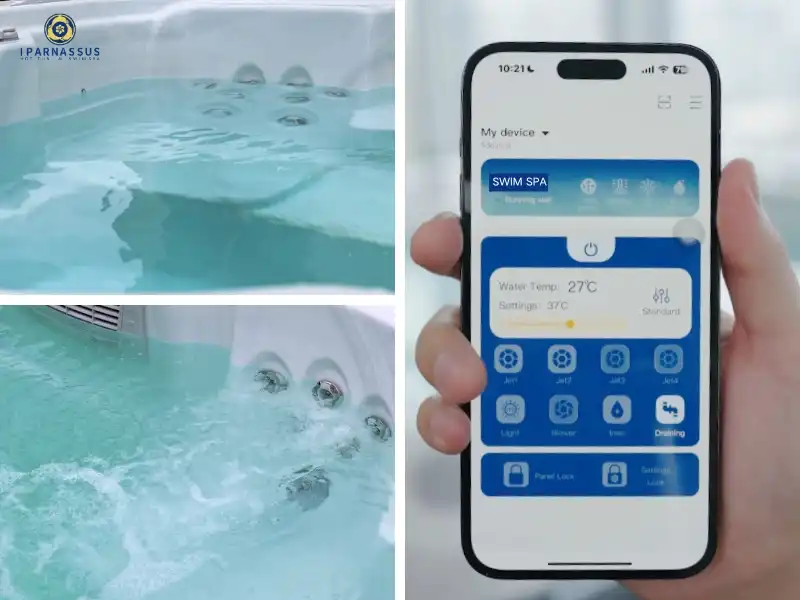
- The 19 properly placed jets strategically distributed across the back, waist, and leg zones deliver targeted massage without requiring excessive pump pressure. This thoughtful hydrotherapy design allows effective therapeutic results at lower flow velocities, directly contributing to quieter night-time operation.
Solutions and Maintenance to Reduce Pump Noise at Night
To keep its sound performance over its lifetime, even high-end equipment needs to be installed correctly and cared for regularly.
Installation Techniques for Vibration Isolation
Professional installation starts with putting the pump in the right place, either in a separate utility space or an equipment compartment. At all touch points, rubber isolator mounts should hold up pump assemblies, stopping direct vibration transfer to structural elements. Flexible plumbing links let hard pipes and pump inlets and outputs expand and contract with temperature changes while blocking vibration paths.
The P78B138 purification system works on its own, keeping the water clear without adding noise-making parts near places to relax. With this combined design philosophy, mechanical equipment is kept separate from user areas. This lets sound engineering focus on the main pump systems.
Routine Maintenance Practices for Sustained Quiet Operation
The following should be on regular repair schedules:
- Pump seals and valves should be oiled and checked every three to six months, based on how often they are used. Proper lubrication cuts down on noise caused by friction and increases the life of parts.
- Cleaning the filters keeps the water flow at its best, which keeps the pumps from getting too stressed and raising the sound output.
- The smooth stainless steel surface doesn't let limescale build up and can be cleaned off with water. This gets rid of scaling that can stop flow and make pumps work harder.
- Checking the electrical connection stops loose terminals that make buzzing sounds that aren't related to the mechanical pump working. Tightening the mounting gear makes up for any temperature cycle and vibration settling that might happen during the break-in time.
Upgrade Pathways for Existing Installations
Facilities with older hot tub systems can make the systems quieter without having to update all of the equipment. Putting aftermarket vibration pads under the existing pump mounts is a cheap way to cut down on noise. Insulated enclosures around pump compartments keep noise from getting out while still letting air flow through.
If you keep the original pump motors but upgrade to variable-speed pump controls, the sound quality will improve dramatically. These smart Square Stainless Steel Hot Tub systems control the flow of power so that users can choose quiet modes for evening use while still having full power available for intense treatment sessions.
Procurement Guide: Selecting a Square Stainless Steel Hot Tub with Quiet Pump Features
When making a B2B buying choice, you have to weigh a lot of technical details, business terms, and long-term value.
Critical Pump Specifications to Evaluate
In technical writing, it should be made clear that noise ratings were calculated using standard testing methods. Certifications for pumps like CE, TUV, and UL show that they meet safety and performance standards that are accepted around the world. The 2-speed 2.0HP pump standard makes it clear what kind of performance to expect: enough power for a good massage, plus the ability to run quietly at lower speeds.
The fact that the warranty covers pump parts shows that the manufacturer is confident in their acoustic durability. Commercial-grade guarantees that cover pump parts for two to three years show that the company is committed to quality, which is what hotels and resorts need.
Balancing Cost with Acoustic Performance
Premium pump systems cost more at first, but they pay for themselves over time by needing less upkeep, using less energy, and running quietly for a long time. Food-grade 304 stainless steel is resistant to rust, so it doesn't break down in the same ways that other materials do in humid spa settings.
The total cost of ownership should be calculated by procurement teams. This should include energy costs, repair schedules, and the expected service life. Quality pumps that work well for 10 to 15 years are a better deal than cheap ones that need to be replaced every 3 to 5 years, even though they cost less.
Customization and Bulk Procurement Considerations
Customisation options that take into account specific site conditions or design preferences are helpful for big projects. The ability to place the pump in different places, different voltage configurations that work with local power standards (220–240V/50Hz), and built-in smart control systems make operations easier while still meeting acoustic goals.
By buying in bulk from well-known companies like iParnassus®, you can get better prices and be sure that the quality of the products will be the same at all of your delivery sites. This consistency makes it easier for hospitality groups that manage multiple locations to train repair staff, keep track of parts, and run operations.

Future Trends and Innovations in Hot Tub Pump Noise Reduction
As technology keeps improving, it keeps pushing the limits of sound performance and adding new functions.
Emerging Motor and Control Technologies
In brushless permanent magnet motors, there is no carbon brush contact, so there is no noise, and the motor works more efficiently. These high-tech motors work perfectly with smartphone control systems, so they can be operated and viewed from afar. Users can start heating cycles hours before they need to use the machine, which makes sure that the right temperature is reached without running at high speed during rest periods.
Instead of discrete high and low settings, variable frequency drives let you change the speed indefinitely. With this level of accuracy, the healing water flow and minimal sound profile are perfectly balanced. Intelligent programs learn how the system is used and instantly adjust their settings to use less energy and make less noise.
Smart Integration and User Experience Enhancement
The iParnassus® control system is the epitome of next-generation convenience because it fully integrates with smartphones. Monitoring the water level in real time keeps the pump from breaking down when there isn't enough water, which makes it noisier and shortens the life of parts. Remote water management lets you drain and refill equipment without having to physically reach it. This supports repair plans that keep the sound quality high.
Automatic self-protection programs look for strange behaviour and turn systems off before small problems get worse and cause noisy mechanical failures. Protection features for low water, high temperature, and low temperature make sure that pumps only work within the best acoustic and mechanical parameters.
Sustainability Considerations Driving Innovation
The stainless steel spa meets the growing importance of environmental responsibility in purchasing choices, especially for hotel brands that place heavy emphasis on their environmental standards. Its energy-efficient pump systems lower running costs and reduce carbon emissions, offering a strong dual advantage. The automatic power input port for heat pumps controls supplementary heating equipment effectively, improving the overall energy efficiency of the whole hydrotherapy system.
The long-lasting 304 stainless steel design helps the environment by extending the product's life and lowering the number of times it needs to be replaced. Square Stainless Steel Hot Tubs that are properly designed can be used in any situation because they can handle changes in temperature and humidity in both indoor and outdoor settings. This gives designers more options for meeting the needs of different projects.
Conclusion
When acoustic performance is a top priority during design, premium stainless steel hot tub systems can run so quietly that they can be used at night. When 2-speed approved pumps are strategically placed inside large 251.5 kg buildings and smart control systems are used together, the noise level is less than 50 decibels during normal use. When buying equipment for high-end homes, hotels, or resorts, procurement workers should focus on technical specs, installation quality, and care procedures that ensure great sound quality for long periods of time. Modern stainless steel spas are the best way to balance therapeutic performance with quiet operation thanks to their superior materials, advanced pump technology, and smart system integration.
FAQ
Q1: What decibel level should I expect from quality stainless steel spa pumps?
At normal speeds, premium systems with 2.0HP two-speed pumps usually make between 42 and 50 decibels, which is about the same volume as a quiet conversation. This range of sounds is still pleasant enough to use at night without waking up people or disturbing people who live nearby.
Q2: Can pump noise be reduced after installation without equipment replacement?
Upgrades to vibration separation, sound insulation around pump sections, and adding a variable-speed controller to an existing system all make it much quieter. Regular upkeep, such as cleaning and lubricating, also keeps things running quietly without having to replace major parts.
Q3: Do metal hot tubs transmit more noise than acrylic alternatives?
Modern designs made of stainless steel use the mass and structural strength of the material to make better vibration damping. When systems are properly designed with isolation mounting and smart component placement, they can match or beat the acoustic performance of acrylic units while also making them last longer and look better.
Partner with iParnassus® for Whisper-Quiet Luxury Spa Solutions
iParnassus® combines 16 years of excellent manufacturing with cutting-edge sound engineering to make high-quality stainless steel hot tubs that are perfect for demanding home and business uses. Our Square Stainless Steel Hot Tub models are made with food-grade 304 stainless steel, have two-speed pumps that are CE/TUV/UL certified, and smart smartphone control systems that make them run as quietly and efficiently as possible. If you're a luxury villa builder, resort manager, or SPA distributor looking for a dependable Square Stainless Steel Hot Tub provider, our team can make unique solutions that meet strict noise requirements and provide therapeutic excellence. Get in touch with info@iparnassus.com right away to talk about your project needs and find out how our tried-and-true technology can help you relax at night without affecting the effectiveness of hydrotherapy.
References
1. American Society of Heating, Refrigerating and Air-Conditioning Engineers (ASHRAE). "Sound and Vibration Control in HVAC Systems." ASHRAE Handbook—HVAC Applications, 2023 Edition.
2. International Association of Plumbing and Mechanical Officials. "Hydrotherapy Equipment Installation Standards: Noise Abatement Practices." 2024 Uniform Plumbing Code.
3. National Spa and Pool Institute. "Acoustic Performance Standards for Commercial Aquatic Facilities." NSPI Technical Guidelines, Revised 2023.
4. Chartered Institution of Building Services Engineers. "Noise Control in Building Services: Pumps and Circulation Systems." CIBSE Guide B5, 2024 Update.
5. European Committee for Standardization. "Spa Equipment Safety and Performance Requirements: EN 60335-2-60." CEN Technical Specifications, 2023.
6. Journal of Hospitality Engineering and Design. "Guest Experience Optimization Through Acoustic Management in Luxury Wellness Facilities." Volume 18, Issue 3, 2024.

Send Inquiry