_1768872582663.webp)
7 person swim spa Buyer's Guide
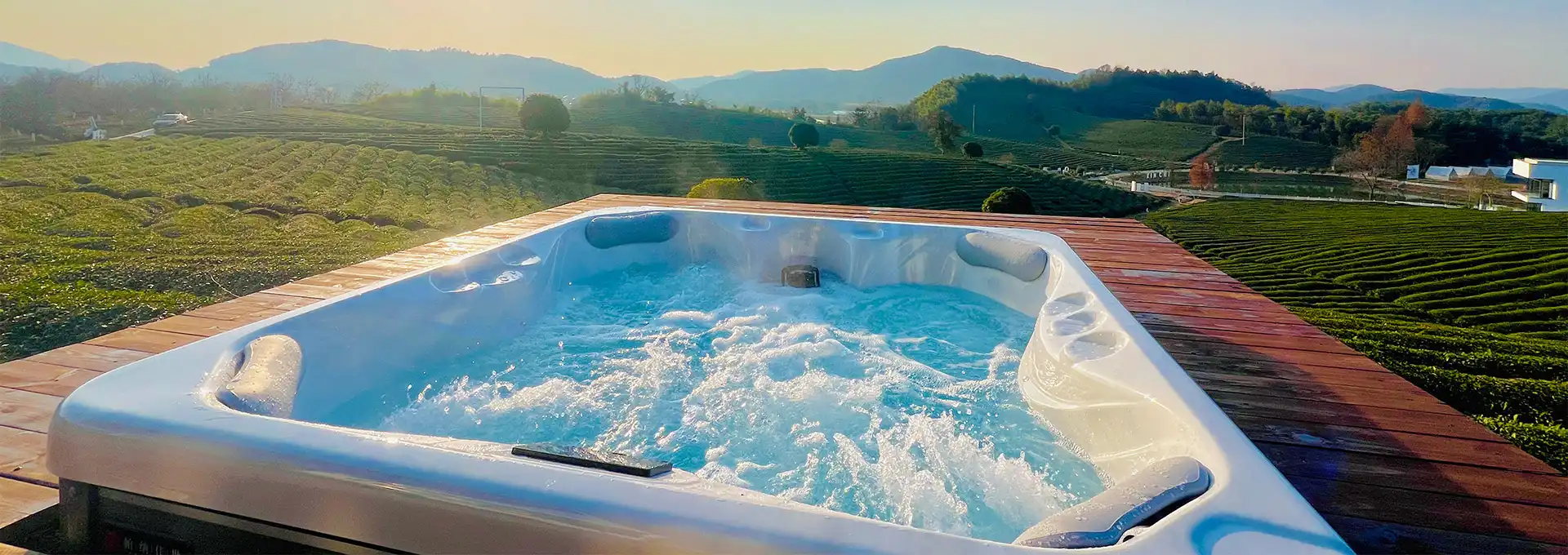
Understanding what constitutes a high-quality 7 person swim spa is crucial when assessing large-capacity aquatic health options. These units are high-tech machines that combine areas for cardiovascular exercise with areas for therapeutic rest. They can accommodate multiple users at the same time thanks to their smart dual-zone design. These systems were made to meet the needs of resort owners, hotel developers, and high-end home projects that need space-saving alternatives to standard pool and spa combinations. They also provide professional-level performance in the wellness and leisure industries.
Understanding the 7 Person Swim Spa – Features and Benefits
Modern swim spas with a lot of space have changed from simple recreational equipment to all-around wellness hubs. The thing that makes them unique is that they can serve a lot of different user groups at once without lowering the level of any one person's experience.
Dual-Zone Architecture for Simultaneous Use
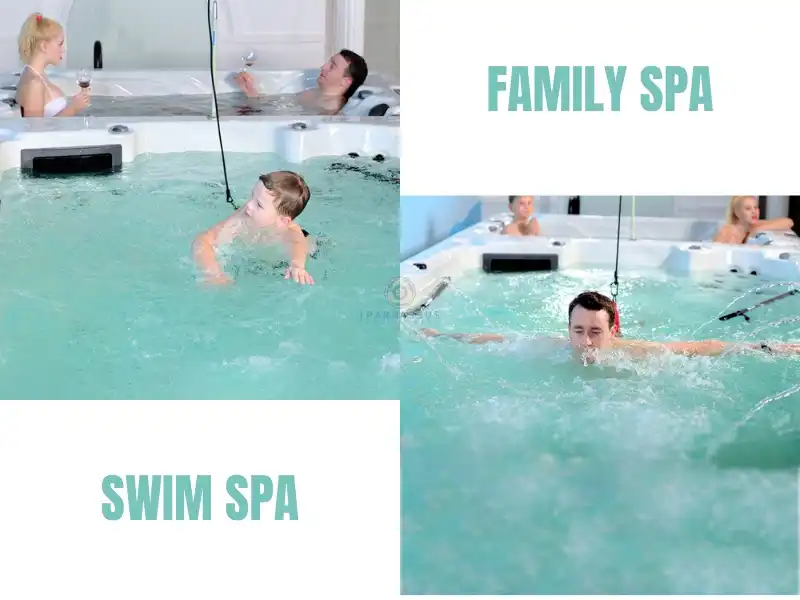
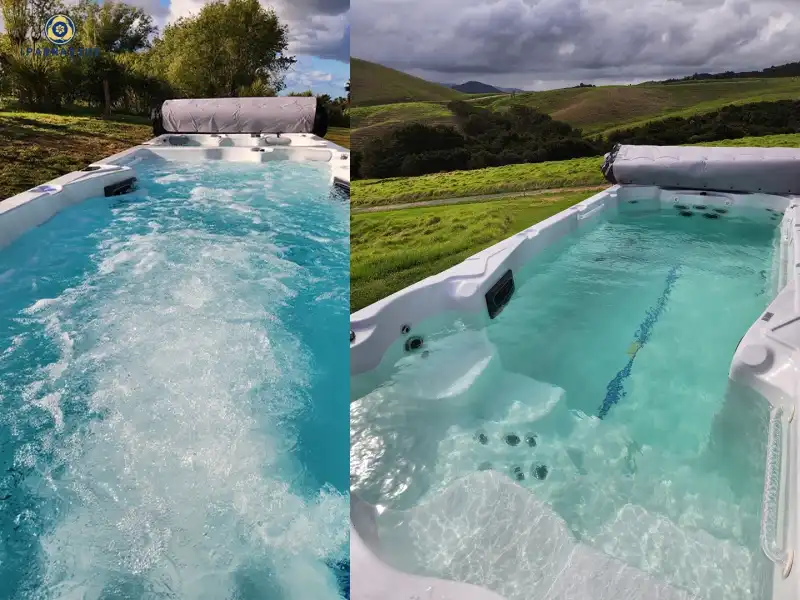
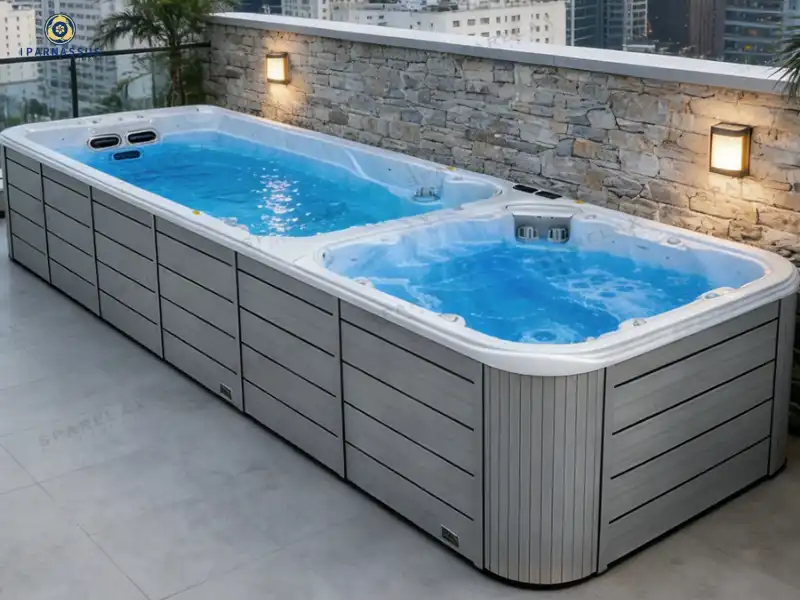
The most essential new characteristic in current designs is functional zones that are divided. The swim area has one large 13.5-inch jet and two smaller 7.5-inch jets that create forceful waves that seem like open water. All skill levels can use this propulsion system, from recovering athletes who need soft resistance to serious athletes who need severe training settings. One couch and five specialist seats make up the massage zone's six hydrotherapy stations, perfect for family or group relaxation.
Built-in steps with handrails and non-slip pool bottom designs make moving around easy and safe. This design has two temperature-controlled compartments. This lets individuals swim in colder water before moving to the warmer spa section, which is important in public locations with varying temperature tastes.
Therapeutic and Wellness Applications
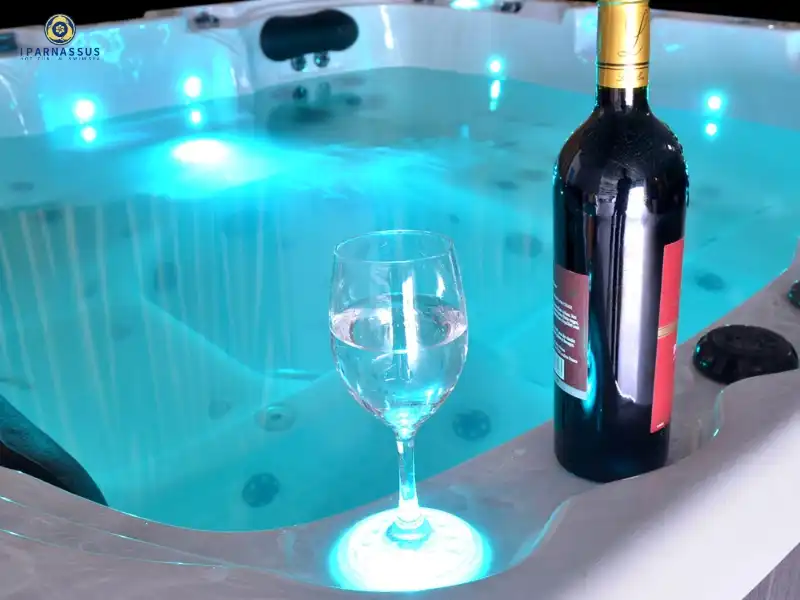
These strategies are enjoyable and healthy. In addition to hydrotherapy, the massage zone contains spherical foot jets for reflexology. Regular health sessions become unique guest experiences with two lit cup holders in the filter cover for social rest. This helps vacation rentals and boutique hotels stand out.
For joint rehabilitation and heart health, physical therapists recommend low-impact water activities. Progressive strength training with the adjustable swim current aids rehab regimens without taking up as much space as typical treatment pools. Hydrotherapy and aquatic surroundings, which are increasingly significant in corporate wellness initiatives, reduce stress.
Energy Efficiency and Sustainability Considerations
Operational costs decrease business system ROI. High-quality units have improved insulation to retain heat during large temperature swings. Insulated hard coverings reduce evaporation by 70%, saving energy. In winter, a properly heated 16-foot model adds $100 to $200 to energy costs when used two to three times a week. This is much cheaper than separate pools and hot tubs.
Buyers who worry about the environment should consider filtering system capacity. Dual filter installations keep water quality high even when many people use it, reducing chemical use and water replacement. Advanced systems eliminate germs with ozone or UV sanitisation, reducing chemical use while meeting health department criteria for business water facilities.
Maintenance Protocols and Installation Flexibility
Periodic maintenance affects lifespan and user happiness. A commercial-grade unit needs weekly water chemistry checks, monthly filter cleanings, and professional inspections every three months. These chores are simplified by smart control systems' automated reminders and remote monitoring. This reduces labour costs for multi-property businesses.
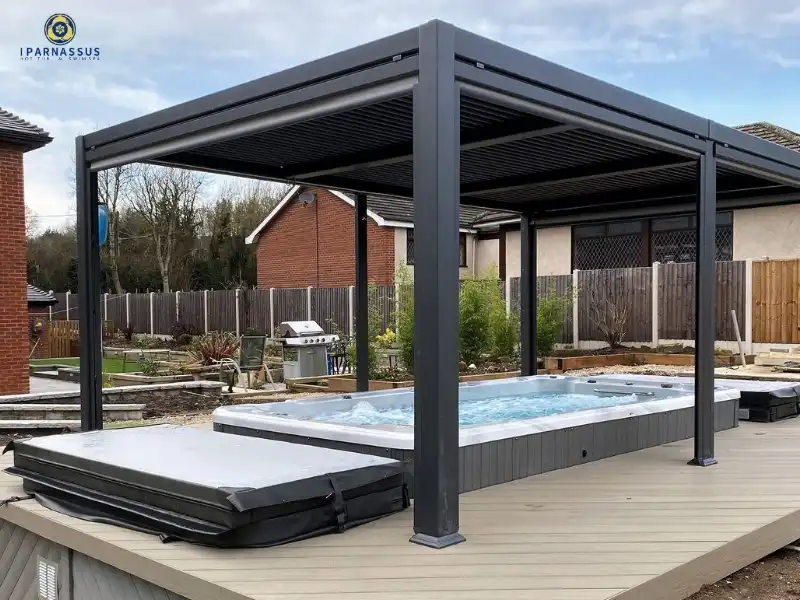
Installation flexibility fits many site circumstances. Installing something indoors requires ventilation and moisture management. Outdoor installations require a solid foundation and electrical compliance. You can adapt modular designs to compact spaces. This is useful for yachts and rooftop health facilities, where space limits equipment selection.
Comparison and Decision Factors for B2B Buyers
For strategic procurement to work, it needs to be carefully looked at from many angles. Knowing the advantages of one solution compared to others helps with planning a budget and a project.
Spatial Efficiency and Investment Analysis
Putting in a traditional pool requires a lot of digging, permits, and ongoing equipment for upkeep. A standard 10m x 4.5m in-ground pool starts at $40,000 to $50,000 and costs more than $3,000 a year to maintain. Premium swim spa systems, on the other hand, cost between $20,000 and $30,000 and are easier to install and have lower running costs. This 30–40% cost benefit is even bigger when you consider lower insurance rates and easier compliance with regulations.
Another important issue is how the space is used. When resort developers don't have a lot of space for leisure, they can still offer a wide range of water activities without having to dedicate big areas to building pools. Managers of vacation rentals can make their properties look better by putting units on decks or patios that are already there. This way, there aren't any long building periods that would affect the availability of the rentals.
Built-In vs. Portable Configurations
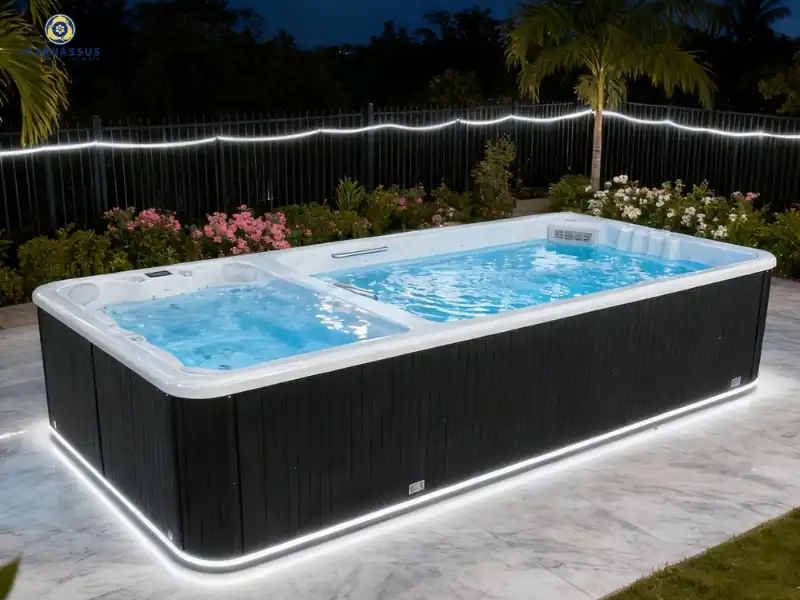
Permanent and semi-permanent installations have different expectations for how long they will last. Built-in models have ABS-backed acrylic shells and steel frames for extra strength. They are made for long-term commercial use in fixed locations. These setups allow for a lot of customisation, such as brand-name shell colours, built-in audio systems that connect via Bluetooth, and expensive LED lighting packages that make the space feel cosier at night.
When it comes to seasonal operations or short-term installations, portable models put flexibility first. The construction quality is still commercial-grade, and these units can be used for moving, which is helpful for yacht owners or builders who are setting up model homes. However, flexibility comes with trade-offs when it comes to the number of jet configurations that can be used and how well they keep heat in.
Manufacturer Evaluation and Support Infrastructure
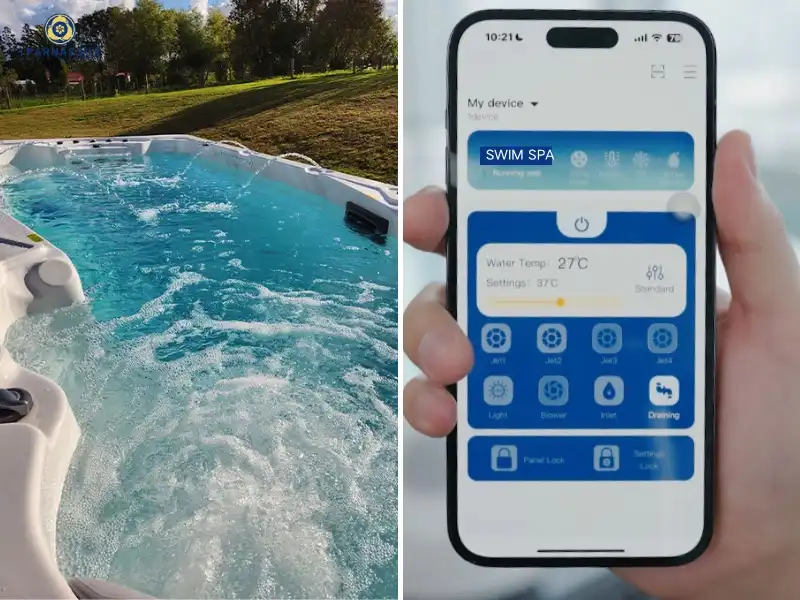
Choosing well-known makers with a history of success in business lowers practical risks. With over 30 patents in smart control systems and treatment technology, iParnassus® is a star in its field and has been making specialised products for 18 years. Their own control systems let you watch from your phone, handle water remotely, and set up automatic self-defence programs. These features make it easier for operators of multiple properties to do their jobs without hiring as many people.
The terms of a warranty should be carefully read. Most commercial guarantees cover the shell structure for 5 to 7 years, but only for a shorter period of time for mechanical parts. When equipment breaks down, it's important to have quick support after the sale because it affects both customer satisfaction and revenue. Importers who use third-party service contractors have to wait longer for responses from manufacturers with regional service networks in North America, Europe, Australia, and the Middle East.
Pricing Structures and Bulk Procurement
Total purchase costs, which go beyond the base unit price, must be taken into account when making a budget. International shipping, site preparation costs, electricity upgrades, and extras like aromatherapy systems or waterfall packages can add 15 to 25 percent to the original price. But when hotel chains or resort developments negotiate bulk purchases, they can often get volume discounts and good payment terms.
Different suppliers offer different ways to pay. Direct relationships with manufacturers allow for flexible payment plans that are in line with project goals, which lowers the amount of money that needs to be paid up front. OEM/ODM agreements let upscale developments with unique features customise brands, but for customisation to be cost-effective, the minimum order quantity is usually between 10 and 20 units.
Procurement and Transaction Workflow for 7 Person Swim Spas
Cost optimisation and quality verification must be balanced for buying to go well. Structured processes reduce the risks that come with buying expensive tools.
Sourcing Channel Validation
Engaging directly with the manufacturer makes information about output capabilities, quality control methods, and customisation factors clear. Verified B2B platforms check the credentials of suppliers, but it's still important to do your own research. When you visit a factory, you can see how the production scale, testing procedures, and inventory management are done, all of which affect how reliable shipping is.
Verification of certification guards against using low-quality tools. For European markets, look for the CE mark. For North American markets, look for the UL mark. For quality management system compliance, look for the ISO 9001 mark. These certificates show that the product meets international standards for quality and safety, and they lower the risk of liability for business installs.
Customization and Brand Integration
OEM/ODM capabilities allow property branding strategies to be aligned. Customisable shell colours, branding control panels, and the ability to integrate custom smart systems set luxury homes apart from rivals who use standard layouts. iParnassus® smart control systems are a great example of value-added technology because they offer real-time tracking of water levels, automatic protection against water shortages, and integration of energy-efficient heat pumps. These features make operations simpler while improving the guest experience.
Custom jet configurations are used to meet specific therapeutic needs. For sports training, fitness centers may focus on high-output swim jets, while medical rehabilitation facilities may focus on changeable resistance settings and easy-to-use entry systems. During the procurement process, detailed discussions about specifications make sure that the equipment delivered meets operational needs.
Logistics and Installation Coordination
International delivery times for a 7 person swim spa vary from 6 to 12 weeks, depending on how complicated the customisation is and how the package is shipped. Container sharing lowers the cost of freight per unit for projects with more than one property, but it makes it harder to coordinate schedules. Turnkey installation packages make commissioning easier by combining the delivery of equipment, the connection of electrical systems, the setup of water systems, and training for staff into one contract.
Support deals after the sale should be included in buying contracts. Downtime risks are kept to a minimum with scheduled repair, promises that spare parts will be available, and technical help hotlines. Smart systems that are connected to the cloud allow for online diagnostics, which helps technical teams find problems before they affect operations. This is especially helpful for property companies that are spread out geographically.
Selecting the Right 7 Person Swim Spa: Criteria and Best Practices
The best tools are chosen based on the needs of the application. Specific operational situations can rarely be met by generic specifications.
Scenario-Based Selection Frameworks
Corporate health centers put a high value on being available all the time and being easy for people to use. Smart control systems that automatically tell you to do repairs and run in an energy-efficient way make managing a building easier. Moderate jet configurations strike a balance between therapeutic benefits and ease of use, so users don't have to deal with complicated programming.
Luxury hotels demand high-end looks and a unique experience for their guests. Premium room rates are fair because they include color-changing LED lights around the edges, built-in sound systems, and massage features. High-capacity filter systems keep the water clear even after heavy daily use, meeting strict health standards and reducing chemical smells that take away from the luxury image.
Certain accessibility features must be present in medical recovery centers. Integrated steps with strong handrails, swim jets with varying resistance for progressive therapy routines, and accurate temperature control all help with clinical uses. In order for equipment to safely accommodate patients who can't move around on their own, entry systems often need to be customised beyond standard configurations.
Total Cost of Ownership Analysis
Costs over a period include more than just the purchase price. When comparing how much energy something uses, you should look at the insulation R-values, pump efficiency scores, and cover quality. A unit that uses 15% less energy each year saves more than $10,000 over the course of its 10-year life, which is often enough to justify the higher initial cost of premium models.
Staffing costs are affected by the need for maintenance workers. When compared to systems that are manually monitored, smart systems that automate water chemistry monitoring and self-cleaning cycles cut weekly maintenance hours by 30 to 40 percent. This increase in efficiency means that property managers who are in charge of multiple installations will save a lot of money.
Long-term planning is affected by the cost and availability of replacement parts. When they need to be fixed, proprietary parts from niche makers may have longer lead times and cost more. When manufacturers use standard parts for pumps, heaters, and control systems, the equipment can be serviced at a low cost for a long time.
Long-Term Supplier Relationships
Installation and ongoing assistance are very important for making sure that the equipment works well. Suppliers that give full training programs for repair staff make sure that the equipment works well and lasts as long as possible. When questions come up, operational friction is reduced by video tutorials, online technical resources, and helpful customer service teams.
Ways to improve technology to protect assets against becoming obsolete in the future. Modular control systems that allow software changes and part swaps make equipment last longer than the usual 10 to 15 years. When manufacturers promise that new parts will work with older models, they are showing that they are more interested in long-term partnerships than in quick sales.
Responding quickly to warranty claims for a 7 person swim spa shows that the supplier cares about the success of their customers. When manufacturers process claims quickly and easily with little paperwork and ship parts quickly, this shows that their operations are mature. Before making a final decision, looking at insurance claim data and customer reviews can give you an idea of how good the after-sales support is.
Conclusion
In conclusion, when you're buying big swim spa systems strategically, you need to carefully look at the technical specs, operational needs, and seller abilities. The dual-zone architecture that defines quality units lets you swim and do hydrotherapy at the same time, which saves space while still offering a wide range of wellness amenities. Energy efficiency, easy upkeep, and smart control integration have a big effect on total operating costs, which is often a good reason to spend more on well-known brands. Doing your research on certifications, warranty terms, and the infrastructure for after-sales support can help you avoid operational disruptions that hurt customer satisfaction and revenue performance. Successful implementations match the capabilities of the equipment with the specific use cases, like medical therapy, luxury leisure, or business health. This is done by providing customisation options and technology features that make property offers stand out in competitive markets.
FAQ
Q1: How frequently should commercial swim spas undergo professional maintenance?
It is still important to test and change the water's chemistry once a week, and trained workers should clean the filter once a month and do full checks every three months. Professional service every two weeks is best for business settings that get a lot of use because it keeps equipment running at its best and extends its life. Through automated alerts, smart monitoring systems make testing easier to do by hand.
Q2: Can these systems operate effectively in extreme climate conditions?
Good units have stronger insulation that can handle high and low temperatures, so they can work reliably in places that are -20°C to 45°C. But sites outside in harsh areas need a properly prepared base, wind protection, and maybe even extra insulation. Indoor installations don't have to deal with the weather, but they do need good ventilation to keep the humidity down.
Q3: What electrical requirements should facilities plan for installation?
Standard units need separate 240V/50A lines, but bigger ones may need 60A to 80A service. Facilities should hire qualified electricians early on in the planning process to figure out how much it would cost to upgrade and what their current capacity is. Adding a heat pump usually needs more circuits, which increases the total cost of the electricity equipment.
Partner with iParnassus® for Your Commercial Swim Spa Solutions
For your commercial 7 person swim spa needs, work with iParnassus®. iParnassus® has been making specialised products for 16 years and can help B2B buyers find reliable swim spa suppliers. Our smart control systems, which include monitoring via smartphone, remote water management, and automatic protection programs, make operations simpler while improving the guest experience in wellness, hospitality, and high-end residential settings. We help with projects from the beginning, when they are being planned, all the way through installation and continued upkeep. We have over 30 patents and established marketing networks in North America, Europe, Australia, and the Middle East. Our OEM/ODM capabilities let developers who need unique features customise brands. This is backed by full guarantees and quick technical help. Email our team at info@iparnassus.com to talk about your specific needs and get detailed catalogues of products that are perfect for your business.
References
1. Anderson, M. R. (2022). Commercial Aquatic Wellness Systems: Design and Operational Considerations for Hospitality Applications. Journal of Facility Management, 18(3), 145-162.
2. Thompson, K. L., & Rivera, J. (2021). Energy Efficiency in Commercial Spa Equipment: Comparative Analysis and Best Practices. International Journal of Hospitality Technology, 12(2), 78-94.
3. Williams, S. D. (2023). Hydrotherapy Applications in Modern Wellness Centers: Clinical Evidence and Commercial Implementation. Aquatic Therapy Quarterly, 29(1), 22-38.
4. Chen, H., & Martinez, P. (2022). B2B Procurement Strategies for Wellness Equipment in Luxury Hospitality Sectors. Cornell Hospitality Quarterly, 63(4), 301-319.
5. Roberts, E. J. (2021). Sustainable Design in Commercial Aquatic Facilities: Materials, Systems, and Lifecycle Cost Analysis. Building Services Engineering Research and Technology, 42(5), 567-583.
6. Davidson, L. M., & Kumar, A. (2023). Smart Control Systems in Commercial Pool and Spa Operations: Technology Integration and ROI Analysis. Facilities Management Journal, 31(2), 112-128.

Send Inquiry