_1768872582663.webp)
Swim Spa vs Hot Tub: Which Is Right for You?
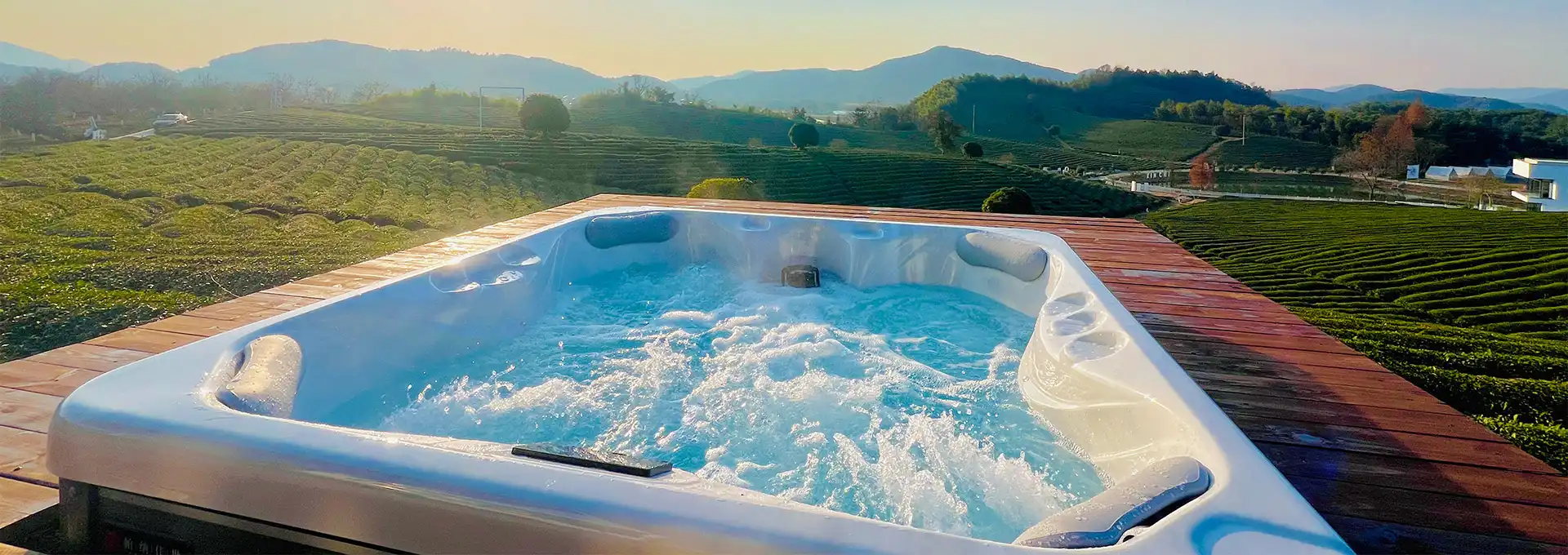
You can choose between a swim spa and a hot tub based on your main wants and the space you have. Large families, resort owners, and households with multiple generations who want both fitness and hydrotherapy in one unit should consider a 7 person swim spa because it combines exercise and relaxation features. Hot tubs are great for relaxing and giving healing massages. If you want both flexible aquatic fitness and spa comfort, a swim spa is the best choice because you don't have to build two different systems.
Understanding Swim Spas and Hot Tubs: General Overview and Key Differences
Understanding the main differences between swim spas and hot tubs is important for making smart buying decisions when looking at aquatic wellness equipment. There are differences between them that go far beyond size. They include design philosophy, intended use, and operational characteristics that have a direct effect on the return on your investment.

Design Philosophy and Primary Functions
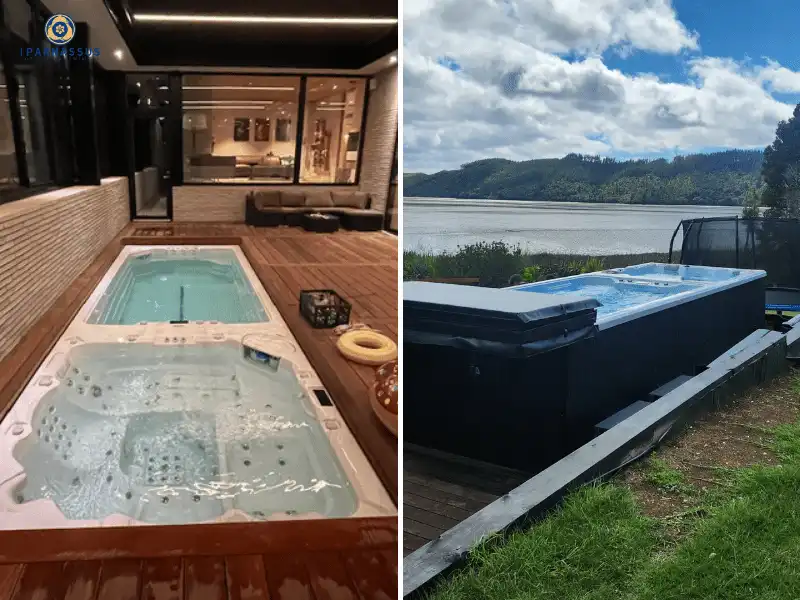
Swim spas aid water fitness. They have robust motion systems that provide changeable currents for swimming in place. The two-zone swim spa comprises a swim zone with a 13.5-inch huge jet and two 7.5-inch jets that create strong wave motion and a massage zone with a couch and five seats for hydrotherapy and socialising. With separate temperature controls for each space, some people can swim in the cooler water while others relax in the warmer spa area.
Hot baths are peaceful and restorative with hydrotherapy jets placed strategically. They seat numerous persons and maintain a 100°F–104°F water temperature. The design prioritises comfort and muscle relief above workout.
Dimensional and Infrastructure Considerations
These choices affect space planning differently.single-zone Seven-person swim spas are 12 to 20 feet long and require a lot of space. The dual-zone configuration maximises space by merging two purposes. This eliminates the need to install a pool and a hot tub separately.
Hot tubs are 6–8 feet wide and take up less space on the ground, but don't allow exercise. Swim spas carry 1,500 to 2,500 gallons, whereas hot tubs hold 300 to 500. Both need sturdy water-bearing pillars.
Energy Consumption and Operational Efficiency
Energy profiles vary by water and heat use. Modern swim tubs with two heating systems and superior insulation can handle bigger water volumes. This is especially true for models with smart temperature control that allow zone-specific temperature settings. This option saves electricity by heating the spa only when swimming isn't planned.
Hot tubs maintain warmth in smaller spaces. The tub typically requires 1,500 to 6,000 kWh per year, depending on the environment, insulation, and usage. Quality insulation and cover systems greatly impact both types of equipment's operating costs.
Health and Wellness Applications
These aquatic habitats have various therapeutic effects. Swim spas provide low-impact cardiovascular exercise, strength training with adjustable currents, and joint mobility and injury recovery support. Higher-end models have 49 hydrotherapy jets that massage the whole body and target specific muscle regions. Foot circular massage jets relieve post-swim soreness.
The 7 person swim spa targets stress points like the neck, shoulders, lower back, and legs with strategically placed jets. Hot water stimulates circulation and relaxes muscles, helping with anxiety and chronic pain.
Comparing 7 Person Swim Spas and Hot Tubs: Core Criteria for B2B Buyers
When commercial buyers and residential developers look at seven-person systems, they need to think about more than just the initial purchase price. This comparison approach looks at the important choices that affect the overall cost of ownership and the success of operations.
Site Preparation and Installation Requirements
The right technique to install begins before the equipment arrives. Seven-person swim spa bases must be flat, compacted, and have drainage holes. The pump configuration requires 50–70 amps of electrical service. The two-propulsion and multiple-pump arrangement requires robust electrical systems. Integration stairs with handrails make it easier to get from the pool to the spa, but they must be eliminated during site preparation.
Although they use 30 to 50 amps of electricity, hot tubs require the same foundation support. They need service access, but are easier to place due to their smaller size. Both technologies function well near mechanical rooms in business environments.
Energy Performance and Insulation Technologies
In businesses where the product is utilised daily, operating costs affect long-term viability. Modern swim baths use thermal coverings, multi-layer insulation, and energy-efficient pumps to retain heat. By adjusting temperatures in two areas based on use, workers may save electricity. Spas can be heated to 100–104°F and pools to 78–82°F.
Smaller, more efficient hot tubs require less energy to heat water. Good versions incorporate full-foam insulation, reflecting barrier technologies, and controlled filtering cycles to maximise off-peak energy use.
Maintenance Demands and Durability Standards
Water quality management is a daily challenge for huge systems that serve many people. High-end swim spas tackle this problem with dual filtration, which separates each zone. This keeps water clean even when seven people use it frequently. This design uses fewer chemicals and lasts longer than single-filtration systems for greater quantities.
Most hot tubs have one filtering unit that works for modest volumes. Both systems require constant testing, chemical balance, filter cleaning, and emptying. Commercial uses benefit from automatic chemical dosing and ozone or UV sanitation systems that reduce maintenance.
Lifetime expenses and repair timeframes depend on shell durability. Stronger fibreglass base makes acrylic shells endure longer than rotomolded or flexible ones. Premium manufacturers guarantee shells for 10–15 years, demonstrating their confidence in materials and craftsmanship.
Financial Analysis and Procurement Strategies
When comparing investments, consider both their purchase and operation costs. High-end models with two zones, two motor systems, and numerous massage jets typically cost between $25,000 and $45,000. Hot tubs that fit seven people cost $8,000 to $18,000, depending on amenities and manufacturer.
Installation expenses can range from $2,000 to $8,000, depending on site circumstances, electrical improvements, and delivery issues. Electricity, water treatment chemicals, new filters, and service maintenance are annual operational expenditures. Finance options, bulk discounts, and guarantees that cover unforeseen maintenance costs in the first few years of operation are crucial for commercial buyers.
Use Cases and Applications: Matching Solutions to Business and Client Needs
Choosing the right aquatic wellness equipment depends a lot on what it will be used for and who will be using it. Matching a system's features to its real uses is the best way to get the most out of your investment and keep users happy.
Fitness and Rehabilitation Facilities
Swim spas are great for workout and psychological therapy. Adjustable current devices assist injured or surgical patients to gradually resist resistance train in physical therapy. Changeable currents allow swimmers of all skill levels and recovery phases to conduct everything from light water walking to strenuous swim training.
Athletic training facilities favour swim spas for their year-round availability and controlled environment. Seasonal pool closures and inclement weather don't stop athletes from exercising. In cities with limited space, fitness facilities can employ them because they take up less space than lap pools.
Hospitality and Luxury Wellness Environments
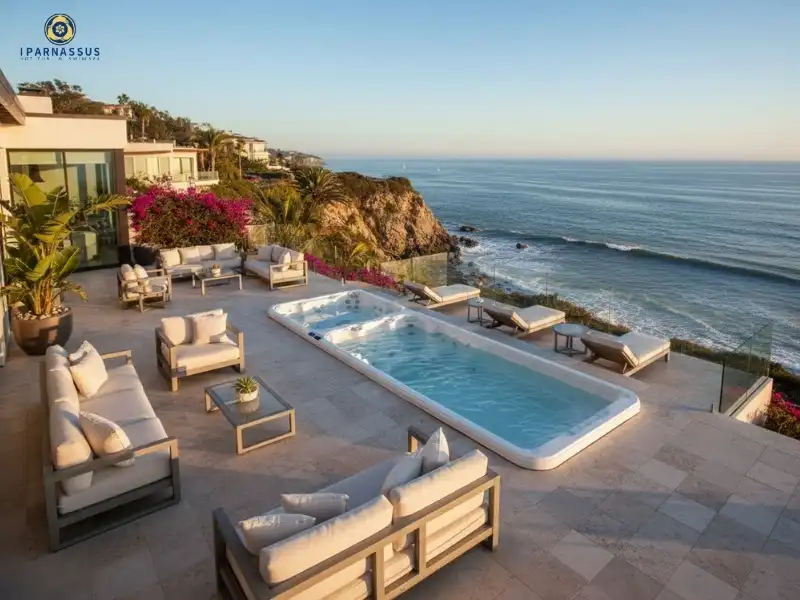
Destination spas, hotels, and resorts prioritise guest satisfaction. Hot tubs in lovely settings with soft lighting provide for relaxing times that garner positive ratings and repeat reservations. Group swimming's social setting suits hospitality's goals of getting guests to converse and be pleased.
Swim spas for sale are common at luxury hotels because they set them apart from the competition. Swim spa vacation rentals target health-conscious tourists who wish to exercise while away and charge more per hour. A two-zone arrangement helps houses accommodate many guest requests at once. Active swimmers and relaxers can use the facility without issue.
Multi-Generational Residential Applications
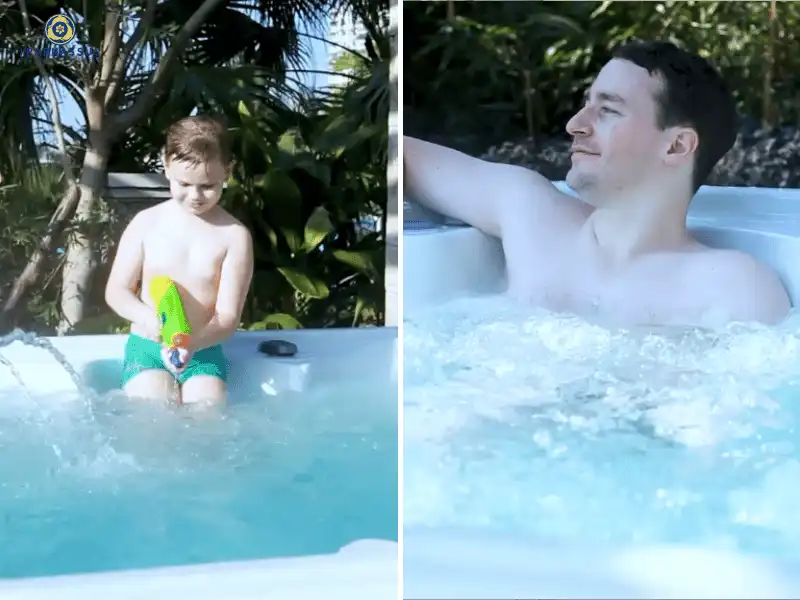
Dual-zone swim spas benefit large families and multigenerational households. Kids and teens can swim and play in the workout area while parents relax in the spa nearby. This keeps kids secure and in touch with their relatives. Six massage positions, one lounge chair, and five seats make the area ideal for gatherings, and the filter cover has two lit cup holders.
Pool bottom non-slip patterns protect young and aged swimmers and limit liability for property managers and residents. Hot tubs are generally utilised for relaxation in these places; they're not versatile enough for small residences.
Leading Brands and Models for 7 Person Swim Spas and Hot Tubs
Brand choice has a big effect on how well equipment works, how long it lasts, and how satisfied you are with it over time. Manufacturers that have been around for a while bring engineering know-how, quality control standards, and support systems that keep business investments safe.
Premium Swim Spa Manufacturers
Since 2008, iParnassus® has been making aquatic health systems and is now known as a top maker of dual-zone swim spas. The business has more than 30 patents protecting its own technologies, such as smart control systems, automatic water management, and new ways of filtering water. Their seven-person models 5U81 have all the features that business buyers want, like two propulsion systems with changeable swim currents, 49 hydrotherapy jets that massage the whole body, and separate temperature control so that you can swim and use the spa at the same time.
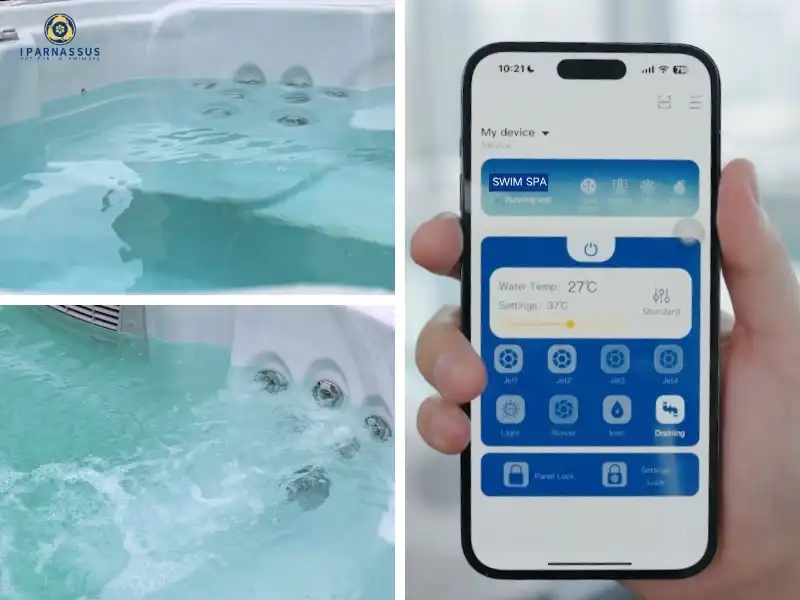
The iParnassus® control system lets you connect your smartphone to the system and check on water levels, operations, and temperature from afar. The self-protection program takes away the need to manually turn off the power during filling or draining, and the automatic water intake and discharge make maintenance tasks easier. Protections against low water, high temperature, and low temperature keep equipment from getting damaged by human mistakes or system failure.
Master Spas, which is known for its strong construction and large partner networks, and Bullfrog Spas, which invented modular jet technology that lets you customise hydrotherapy setups, are two other well-known swim spa brands. Each manufacturer has its own engineering methods and feature priorities that meet the needs of different buyers.
Hot Tub Industry Leaders
Hot Spring Spas and Sundance Spas have been leading the premium hot tub market for decades by coming up with new ways to save energy, take care of the water, and make the seats more comfortable. Their seven-person models are based on lessons learned from installing millions of units around the world. This shows that the product development is mature and the models are reliable.
When procurement professionals look at these names, they should check the length of the warranties, the number of service networks in target markets, and the availability of parts to make sure that fixes cause as little downtime as possible. It's important to know the difference between inflated and hard-shell construction. Inflated types are cheaper and easier to move around, but they don't last as long or have as much jet power as rigid acrylic shells reinforced with fibreglass backing.
Purchasing and Procurement Guide for 7 Person Swim Spas and Hot Tubs
To get something, you need to know how it's distributed, what criteria are used for evaluation, and how to manage relationships so that the purchase and installation go smoothly.
Authorized Dealers and Direct Manufacturer Relationships
Building direct ties with makers like iParnassus® that sell to villa builders, hotel builders, vacation owners, and distributors around the world is good for commercial buyers. Direct interaction lets you talk about customisation, negotiate high prices, and make it easier to talk about specs, lead times, and logistics.
Authorised dealers offer localised support, such as site inspections, installation services, and ongoing upkeep, which is helpful for buyers who don't have their own technical staff. Checking the dealer's licence, insurance, maker training certifications, and customer references from similar business installations are all important parts of figuring out what they can do.
Managing Lead Times and Bulk Orders
Production and shipping times vary a lot depending on how customised the product needs to be and how many orders are placed. Standard setups from stock may ship in two to four weeks, but special orders or big bulk orders for resort projects can take eight to sixteen weeks. International shipping takes longer and is more complicated because of the need to coordinate customs clearance.
Buyers should set clear delivery dates that work with the schedule for construction and make sure the site is ready. Deliveries that are late can throw off plans for finishing projects, and deliveries that happen too early can make storage difficult and pose a risk of damage.
Financing Strategies and Warranty Protection
There are different types of commercial financing, such as leasing equipment, loans for capital equipment, and combined project financing for big developments. When you buy a building directly, you save money in the long run, but when you lease one, you get tax breaks and can use the money for other business needs.
Warranty protection for the 7 person swim spa is very important for avoiding problems with the way the product was made and early failures. Full warranties should cover shells, equipment parts, plumbing, and controls, and they should spell out exactly how to make a claim and how long the warranty lasts. Understanding warranty requirements, especially those that require professional installation, keeps coverage from being voided by accident.
Estimates of installation costs should include the cost of renting a crane if the equipment needs to be lifted over structures, building a concrete pad, upgrading the electricity service, and paying for permits. Professional installation makes sure that local laws and maker requirements are met, which is required for guarantee coverage to be valid.

Conclusion
The choice between swim spas and hot tubs comes down to your business goals and the types of people who will be using the pool. 7 person swim spas are the most flexible because they have two separate zones that can be used for fitness and full-body hydrotherapy. This makes them perfect for big families, hotels, and wellness centers that need equipment that can be used for many things. Hot tubs are great for relaxing and giving therapeutic massages in smaller spaces. When analysing an investment, it's important to compare the initial costs to the total costs of ownership, the amount of room needed, and the value of having two functions versus just relaxing. Commercial buyers gain the most from swim spa setups that meet a variety of user needs at the same time. This increases the number of times the spa is used and the return on the investment.
FAQ
Q1: What size swim spa do I need for seven people?
A 7 person swim spa that is set up correctly should be at least 16 feet long and have two separate zones. The massage area should have 6 positions, one bar and 5 seats, and a separate swim line that isn't blocked by anything. Enough room allows multiple users to use it at the same time without being crowded. This is especially important for business uses that expect regular full capacity usage.
Q2: How much does it cost to operate a swim spa versus a hot tub?
How much it costs to run depends on the weather, how it is used, and how good the soundproofing is. Larger swim spas usually use $100 to $200 a month in electricity, while hot tubs usually use $50 to $100 a month. Dual-zone systems with separate temperature control save money by only heating the parts that are being used. Businesses should figure out costs by looking at local utility rates and how many hours they expect to use the equipment each day.
Q3: Can swim spas be used year-round in cold climates?
In cold places, good swim tubs with the right padding and thermal covers work well. Shells that are reinforced to resist freeze-thaw cycles and enough heating capacity make sure that they can be used all year. When choosing a site, it's important to include wind cover and easy-to-use paths that are kept up during the winter to encourage regular use.
Partner with iParnassus® for Your Aquatic Wellness Investment
It has been 18 years since iParnassus® started making high-end aquatic wellness systems for picky buyers who want the best in quality and innovation. Through careful engineering and in-house smart control technologies, our dual-zone 7 person swim spa models address the particular issues that big families, hotel owners, and wellness facility managers face. The wide range of features, such as dual propulsion systems, 49 hydrotherapy jets, independent temperature control, and smartphone connectivity, makes it a great choice for both business and high-end home use. We encourage sourcing experts, developers, and hotel managers to look into relationship possibilities and talk about how to make solutions that fit the needs of your project. Learn why top resort builders in North America, Europe, Australia, and the Middle East choose iParnassus® for their water wellness infrastructure by getting in touch with our team at info@iparnassus.com to talk 7 person swim spa supplier choices.

References
1. Anderson, K. (2022). Commercial Aquatic Equipment Selection: Engineering and Procurement Guidelines. Hospitality Design Press.
2. Chen, M. and Roberts, J. (2023). Energy Efficiency in Aquatic Wellness Systems: Comparative Analysis and Best Practices. Journal of Facility Management, 41(3), 156-178.
3. Morrison, T. (2021). Hydrotherapy Equipment for Rehabilitation and Fitness Applications. Physical Therapy Publications.
4. National Swimming Pool Foundation. (2023). Water Quality Management for High-Capacity Aquatic Systems. NSPF Technical Manual, 8th Edition.
5. Patterson, L. (2022). Return on Investment Analysis for Hospitality Amenity Equipment. Resort Development Quarterly, 28(2), 45-67.
6. Williams, D. and Zhang, H. (2023). Dual-Zone Aquatic Systems: Design Innovations and Market Applications. International Journal of Wellness Technology, 15(4), 234-251.

Send Inquiry