_1768872582663.webp)
Outdoor Swimming Spa Installation: A Complete Planning Guide
Planning an outdoor swimming spa installation requires careful thought about site conditions, regulatory compliance, structural support, and long-term operating costs. Unlike a standard pool or hot tub, a swim spa combines aquatic exercise with hydrotherapy in one compact unit—making it a practical choice for villas, resorts, and private estates. This guide walks through every stage of the process, from initial site assessment to procurement decisions, so you can make confident choices before your first shovel hits the ground.
Understanding Outdoor Swimming Spa Installation: Key Concepts and Requirements
What Is a Swim Spa and How Does It Differ From a Pool?
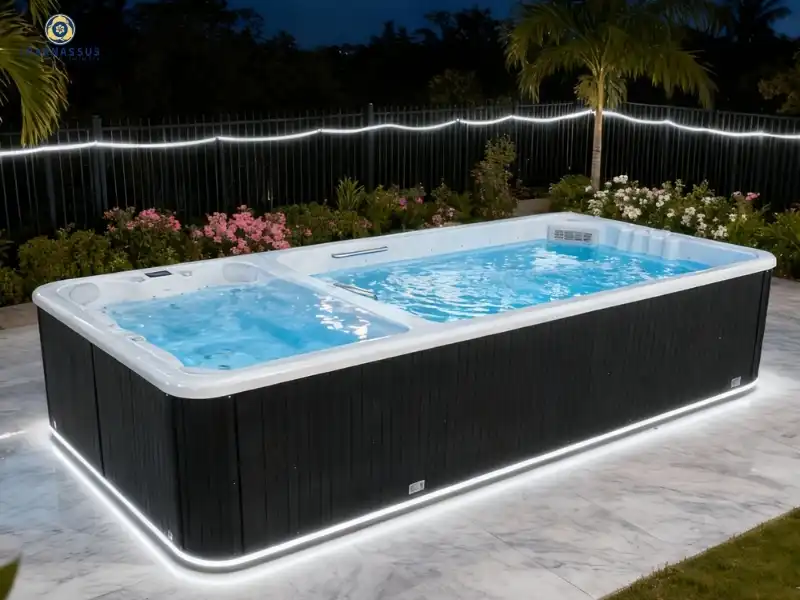
A swim spa is a type of mixed water system that creates a steady current of resistance for swimming and jets that rub the body. It takes up a lot less space than a regular lap pool—models like the iParnassus® 5U70 are 572 × 225 × 128 cm—and it can be used all year, no matter what the weather is like. A swim spa is different from a regular hot tub because it lets you work out your whole body. This makes it a great investment for both fitness and healing.
Material Options: Acrylic, Stainless Steel, or Inflatable?
The most durable swim tubs for businesses are made from high-quality acrylic that is strengthened with fiberglass or stainless steel. Acrylic doesn't get damaged by UV light, chemical corrosion, or scratches on the surface, while stainless steel works well in places with a lot of foot traffic, like hotels. While inflatable models are easier to move and cost less up front, they aren't strong enough for heavy use or large-format installations. For people who are building hotels and resorts, acrylic or stainless steel construction is the norm.
Regulatory and Site Preparation Requirements
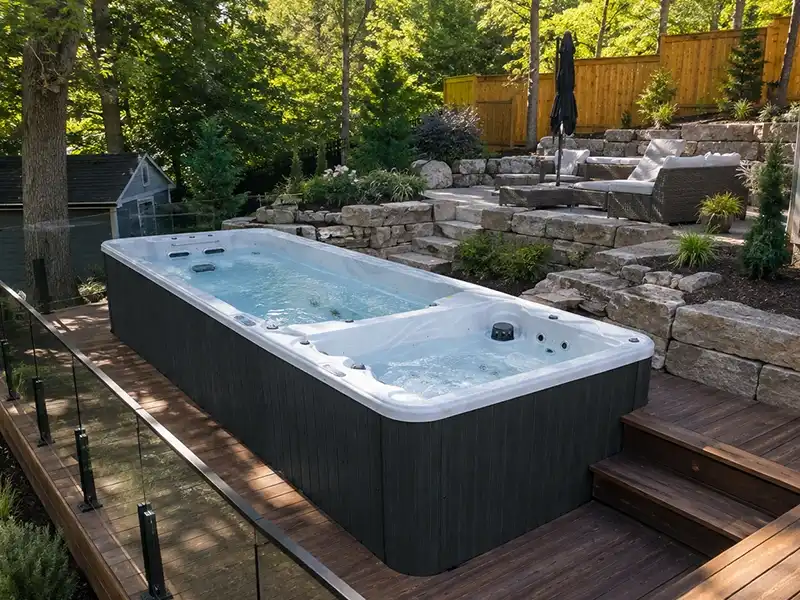
Before you put in your swim spa, you need to get local building permits and check the electricity rules. Most permanent swim spas need their own 240V circuit. The base has to be a strengthened concrete pad or slab that can hold the whole unit's weight when it's full of water. If there is good drainage around the outside, water won't pool, which can damage both the spa cabinet and the deck around it. Check to see what safety fences, signs, and GFCI breakers are needed for business outdoor swimming spa features in your area.
Step-by-Step Planning and Installation Process
Site Assessment and Layout Design
Start by measuring the area where the work will happen and making a map of the utility entry points, such as water lines, electrical panels, and drainage ditches. Leave at least 60 to 90 cm of space around the unit on all sides so that tools can be accessed. It's also important to put the control panel away from the wind and toward the main area of use. For models with two zones, like the 5U70, make sure that both the swim zone and the massage zone can be reached without blocking foot traffic.
Electrical, Plumbing, and Energy Setup
Only a professional electrician can set up a specialized circuit that meets the manufacturer's requirements. The iParnassus® 5U70 has four 3HP pumps, three of which are for the swim jets and one for the leisure massage area. This means that the electrical load estimate has to be done before any wiring can start. The water supply line should have a shut-off valve at the plumbing connection. Having insulated cabinet doors and a good thermal cover can save you a lot of money on heat retention costs, especially in the northern U.S. where temperatures drop below freezing.
Transport, Positioning, and Commissioning
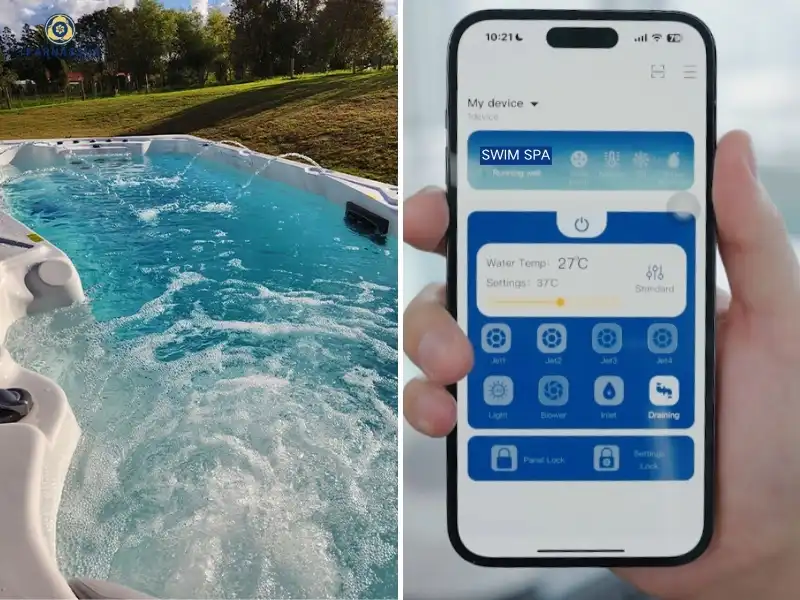
Permanent acrylic outdoor swimming spa units this size usually need a crane or forklift to be put in place for good. Early planning of delivery operations is important because narrow entry roads, overhead obstacles, and soft ground can all cause problems. Once it's in place, fill the unit with fluid and run the system through its full commissioning cycle. This includes checking the jet pressure in both zones, making sure the dual-control panel works, making sure the temperature sensors are calibrated, and making sure all the safety shutoffs work. The iParnassus® smart control system lets you check the water level in real time and from a smartphone, which makes the final check process a lot easier.
Comparison and Procurement Considerations for B2B Clients
Swim Spa vs. Pool vs. Hot Tub: Commercial Use Cases
A swim spa is in a certain way like a healing hot tub but not quite like a pleasure pool. Pools take up more room, cost more to build, and take longer to finish, which means they aren't always a good choice for small hotel makeovers or wellness areas on rooftops. You can't do lap swimming or strength training in a hot tub. Because a dual-zone outdoor swimming spa can do both of these things, resort builders and fitness-focused hotel chains are asking for them more and more in new constructions.
Evaluating Durability and Warranty Terms
When comparing swim spa dealers, make sure you ask about the guarantee on the shell, the material of the cabinets, and the service life of the pump. iParnassus® pumps are designed to last longer before they need to be serviced, and as of 2026, the brand had over 80 patents, which shows that it has consistently invested in engineering. Long-term operating risk is lower if your seller gives you clear warranty paperwork and easy access to help after the sale. When B2B buyers place bulk or OEM orders, the level of professional help after delivery is often just as important as the unit price.
Selecting the Right Model for Your Project
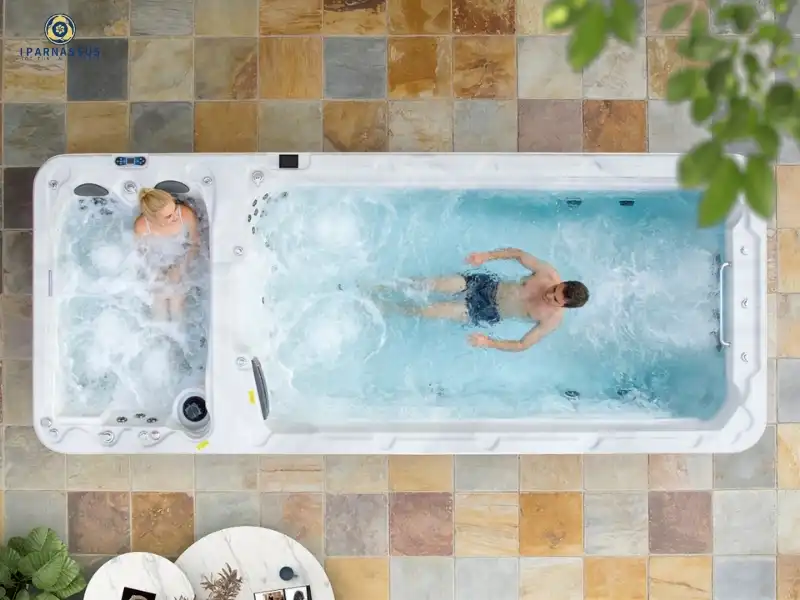
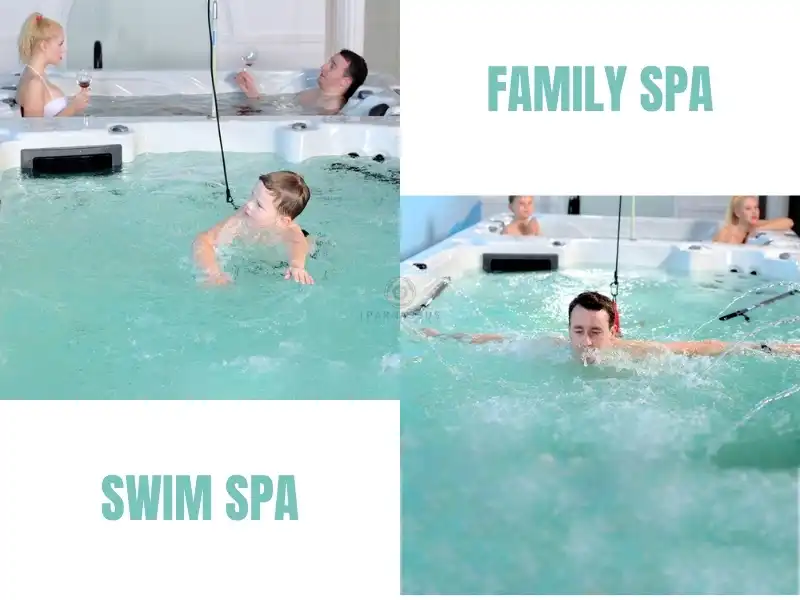
As you can see, the iParnassus® 5U70 has 76 jets spread out over two separate areas. There are 37 jets in the swim area and 39 jets in the massage area. The massage zone has two lounge chairs next to each other and a special seat for kids. This makes it perfect for family-friendly motels or private estate clients who want to use it for both exercise and socializing. The partner watching area in the swim zone makes the pool safer for young swimmers, which is a strong theme for family-friendly hospitality places.
Energy Efficiency, Maintenance, and Safety Best Practices
Controlling Energy Costs Year-Round
The 5U70 comes with separate temperature controls for each zone, so you can keep the massage zone at 38°C and the swim zone cooler for busy workouts. This cuts down on heating loads that aren't needed. During off-peak hours, the unit will use less energy if it has a well-insulated cover and a heating schedule that can be programmed. The U.S. Department of Energy says that spa covers can cut heating costs by up to 75% if they are used regularly.
Routine Maintenance and Water Treatment
Depending on how often the system is used, clean the filter cartridges every two to four weeks. For business setups that get a lot of use every day, change the water completely every three to four months. To protect the plastic shell and make the pump seal last longer, use a balanced chemical schedule (pH between 7.2 and 7.8 and free chlorine between 2 and 4 ppm). The iParnassus® self-cleaning and antivirus features cut down on the need for human maintenance, but in business settings, regular tracking is still necessary. Keeping a maintenance log can help you find patterns and avoid having to make expensive repairs.
Safety Standards for Commercial Installations
All outdoor swimming spas used for business in the US must follow the ANSI/APSP-14 standards for movable domestic electric spas and the state's health department's rules for public-use water features. For resort and hotel uses, you must have GFCI protection on all electrical circuits, anti-entrapment drain covers (as required by the Virginia Graeme Baker Pool and Spa Safety Act), and clear depth and safety signs. Staff should be taught how to turn off the power in an emergency, and first aid supplies should be kept close to the system.
Procurement, Installation Cost, and Financing Options
Understanding Total Project Costs
The total cost of installing a fixed two-zone outdoor swimming spa includes the unit price, preparing the site, pouring the concrete base, upgrading the electricity, getting the necessary permits, delivery, setting up the crane, and getting the first chemicals. Inflatable units are cheaper up front, but they need to be replaced more often, which raises the total cost of ownership over five years. For high-end acrylic types that cost $15,000 to $30,000 or more, the cost per year is often less than the cost of keeping an in-ground pool of the same size over 10 to 15 years.
B2B Purchasing Channels and Custom Orders
Buyers who need to find swim tubs for hotel chains or vacation groups should talk to makers directly. These companies should offer OEM support and bulk prices. If you need specific shell colors, jet layouts, or branded cabinet panels, talk about these needs during the initial inquiry stage to keep production timelines from getting pushed back.
Financing and After-Sales Support
For big orders, many producers now offer B2B financing options, such as longer payment terms and staged billing that is tied to project goals. Make sure that the company you buy from gives you a clear warranty schedule, spare parts, and on-site help with setting up the equipment. iParnassus® offers after-sales service backed by 18 years of manufacturing experience. This is a big plus for international buyers who are managing projects in different time zones.
Conclusion
A well-thought-out outdoor swimming spa installation can improve the experience of guests, increase the value of the property, and make operations run more smoothly. The process needs a well-planned site, electrical work that follows the rules, a carefully chosen supplier, and a regular maintenance schedule. The iParnassus® 5U70, with its 76-jet dual-zone system, separate controls, and family-friendly seating plan, is an example of the level of engineering that business buyers should use as a standard. If you start your project with the right information and work with a supplier that really supports you after the sale, the installation will last for more than ten years.
FAQ
1. How long does a typical outdoor swim spa installation take?
Site preparation, which includes building the base and roughing in the wiring, usually takes one to two weeks. It takes an extra one to three days for unit shipping and placement. It takes an extra one to two days for testing and commissioning. For commercial outdoor swimming spa projects that need permits, add two to four weeks to your budget because approval times can vary from city to city.
2. What maintenance routine keeps a swim spa running long-term?
Every two to three weeks, check the chemistry of the water, clean the filters, and every three months, look over the pump seals and jet tips. If the unit is used a lot for business, drain and refill it every three to four months. For the sake of the warranty, keep a detailed service log.
3. What safety certifications should a commercial swim spa carry?
Check that the electrical work meets UL or ETL standards and that it follows the Virginia Graeme Baker Pool and Spa Safety Act for public places in the United States. Before you make a purchase, ask the seller for proof of certification.
4. Can a swim spa operate in cold-weather U.S. climates?
Yes. Models with full-foam padding and a good thermal cover keep the water at a good temperature even when it's below freezing outside. The iParnassus® 5U70 is designed to be used outside all year, with separate heating zones.
Connect With iParnassus® for Your Next Swim Spa Project
With over 80 patents and 18 years of experience, iParnassus® is a trusted company that makes outdoor swimming spas. The 5U70 dual-zone swim spa has 76 jets, six pumps, two separate temperature zones, and can be controlled by a smartphone. It was made for tough commercial and residential projects. If you need specs and prices for a resort build or are a wholesaler looking for products, please email our team at info@iparnassus.com.

References
1. U.S. Department of Energy — Energy Saver Guide: Pools, Hot Tubs, and Spas, 2022.
2. ANSI/APSP/ICC-14 — American National Standard for Portable Electric Spa (Residential), 2019.
3. Pool & Hot Tub Alliance — Commercial Aquatic Facility Operations Manual, 2021.
4. Consumer Product Safety Commission — Virginia Graeme Baker Pool and Spa Safety Act Compliance Guide, 2020.
5. ASHRAE — HVAC Applications Handbook: Natatoriums and Pool Facilities, 2019.
6. Aquatics International — Swim Spa Market Trends and B2B Procurement Report, 2023.

Send Inquiry