_1768872582663.webp)
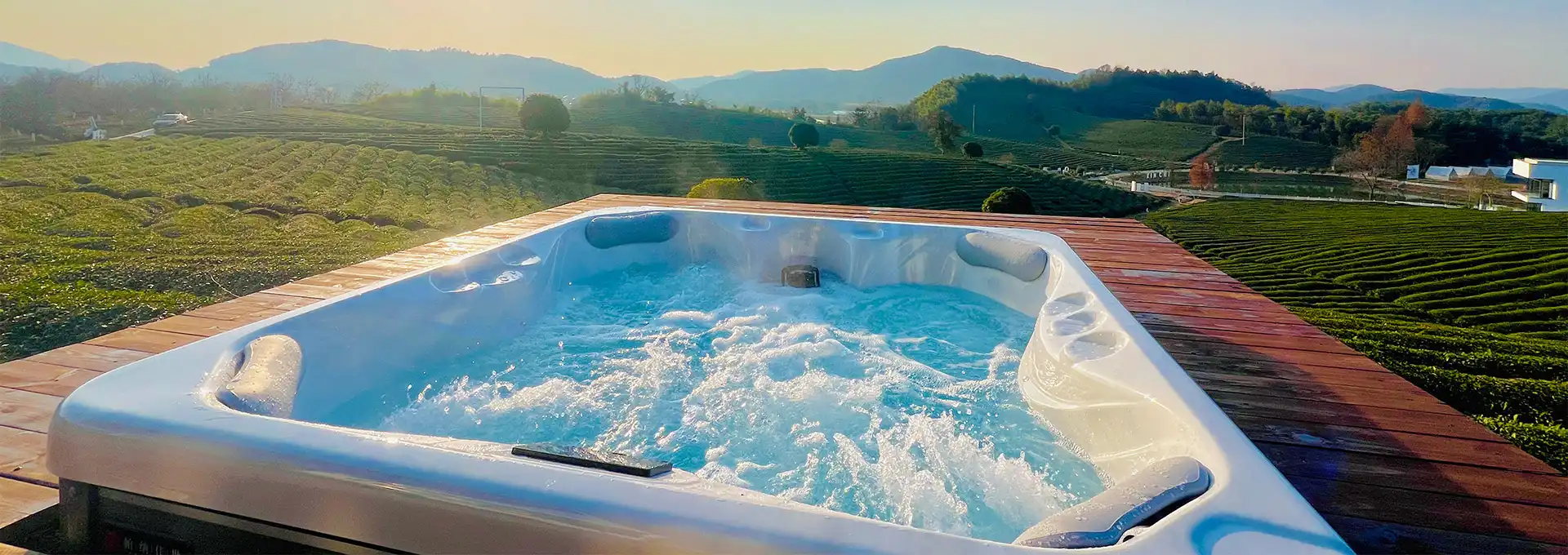
Round Stainless steel hot tub Maintenance: Expert Tips
Keeping a round stainless steel hot tub in peak condition is not complicated, but it does require a consistent approach. Whether you manage a boutique coastal hotel, a private yacht deck, or a premium resort villa, the right maintenance routine protects your investment and keeps guests returning. Built from 304 stainless steel, these tubs resist corrosion, tolerate chlorine and mineral-rich water, and clean up faster than most alternatives. This guide walks through the practical steps that commercial operators and property owners need to extend service life and reduce downtime.

Understanding the Basics of Round Stainless Steel Hot Tub Maintenance
Why Material Composition Matters
The oxide layer on 304 stainless steel keeps it from rusting, even in air that is salty like the ocean. About 18% of it is chromium, and 8% is nickel. As you take care of your skin, you should always keep this layer safe. It is the first line of defense. It gets worn away by harsh cleaners, rough pads, or chemicals that don't mix well. Surface cracking can happen, and it costs a lot more to fix than to keep it from happening.
Key Components That Drive Upkeep
There is a 3.0kW heater that is CE/UL-approved and a 2-speed 2.0HP pump that is CE/TUV-approved that come with it. At different times, each of these parts needs to be fixed. Every three to four months, in places with hard water, you should check the heater element for scale. A lot of people walk by places of business every day, so the pump filter should be cleaned once a week. The method for cleaning works best when the water's makeup stays in the right range. This keeps germs from spreading without putting too much strain on the steel shell.
Common Challenges to Anticipate
Most of the time, the problem in commercial installations is mineral buildup around the jet blades. It's harder for the 15 jets that work on the shoulders, back, waist, and abdomen to do their job when calcium builds up on them. Also, make sure to check the weld joints. Even small holes in the seams can let germs grow. Every six months, look over all the weld places to find problems before they get worse.
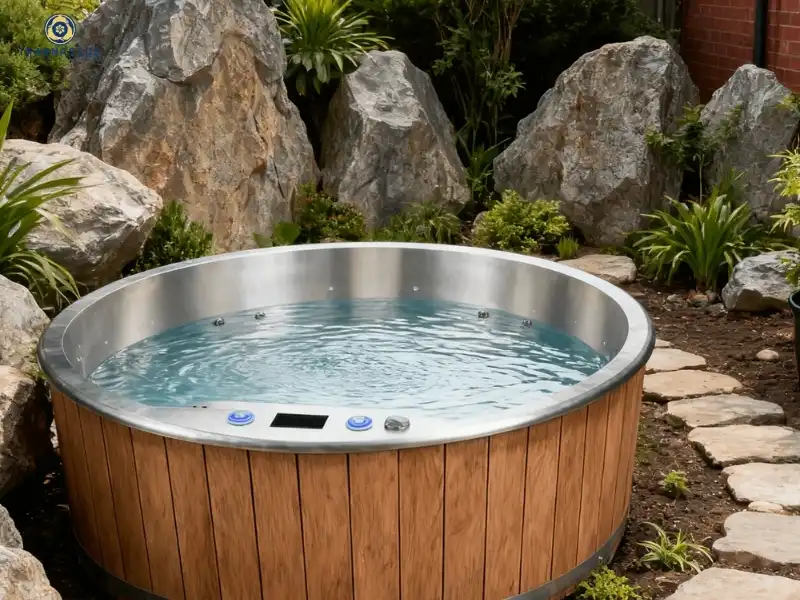
Essential Maintenance Procedures: A Systematic Guide
Routine Surface Cleaning
An acid-free cleaner and a soft cloth should be used to clean the inside of the shell every 48 hours of business use. Biofilm doesn't stick to 304 stainless steel because it is smooth. A quick wipe is enough most of the time. You shouldn't put bleach on the shell surface in amounts greater than 20 ppm; the P78B138 system cleans at safe levels already. When you're done cleaning, make sure to rinse well.
Water Quality Management
Tests done twice a week on a business property during busy times keep the chemistry in check and save all the wet parts.
- pH: 7.2–7.8 — This range protects both the steel surface and bather comfort. Readings outside this window accelerate corrosion at the heat-affected zones near welds.
- Total alkalinity: 80–120 ppm — Stable alkalinity prevents pH swings that stress the heater element.
- Sanitizer (chlorine): 2–4 ppm — The unit is rated for chlorine-containing water environments, so standard sanitizer levels are safe for the shell.
- Calcium hardness: 150–250 ppm — Low calcium pulls minerals from metal surfaces; high calcium creates scale on jets.
Every 90 days, look for signs of leaks in the pump's mechanical seal. To make sure everything is safe, check the heater housing for scale buildup and make sure all the jet bodies are in their proper places. It's a good idea to check the balance after the ground moves. The 330 kg dry-weight frame stays stable under usual business loads. Press the test button once a month to make sure the GFCI safety on the 220–240V/50Hz supply is still working for a stainless steel bathtub.
Inspecting Mechanical and Safety Elements
Every 90 days, check the pump's mechanical seal for signs of weeping, inspect the heater housing for scale buildup, and verify that all jet bodies seat firmly in their housings. The 330 kg dry-weight structure stays structurally stable under normal commercial loads, but leveling checks after any ground movement are wise. Confirm that GFCI protection on the 220–240V/50Hz electrical circuit remains functional by pressing the test button monthly.
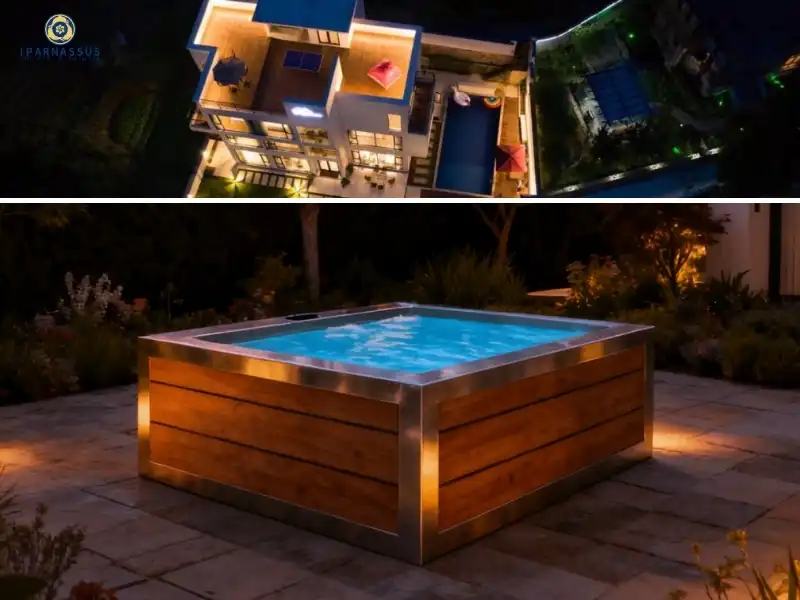
Energy Efficiency and Cost Savings Through Proper Maintenance
Insulation and Cover Discipline
There is a group of pool and spa professionals who say a thermal cover that fits well can keep up to 60% of the heat in overnight. It costs a lot to have to run the 3.0kW heater all season because the cover is worn out, but it quickly brings the water back up to temperature. Cover foam cores should be changed when they get too heavy or saggy from soaking up water. When a core is too wet, it loses most of its ability to keep heat in.
Filter and Heater Servicing
It is recommended that the airflow filter in a busy company be cleaned every two weeks. The 2.0 horsepower pump has to work harder when the filter is clogged, which results in an increase in the amount of energy used and a reduction in the lifespan of the seals. When you reside in an area that has hard water, you should clean the element of the heater every three months using a solution that is composed of citric acid and water. These two chores, according to those who manage commercial spas, have the potential to reduce yearly energy expenses by ten to fifteen percent when compared to units that are not maintained.
If you follow these simple maintenance routines, you will see a reduction in your utility expenses and a reduction in the frequency of unexpected repairs. These two measures are equally significant for resort and hotel managers who are in charge of several units in their respective establishments.
Smart Control Advantages
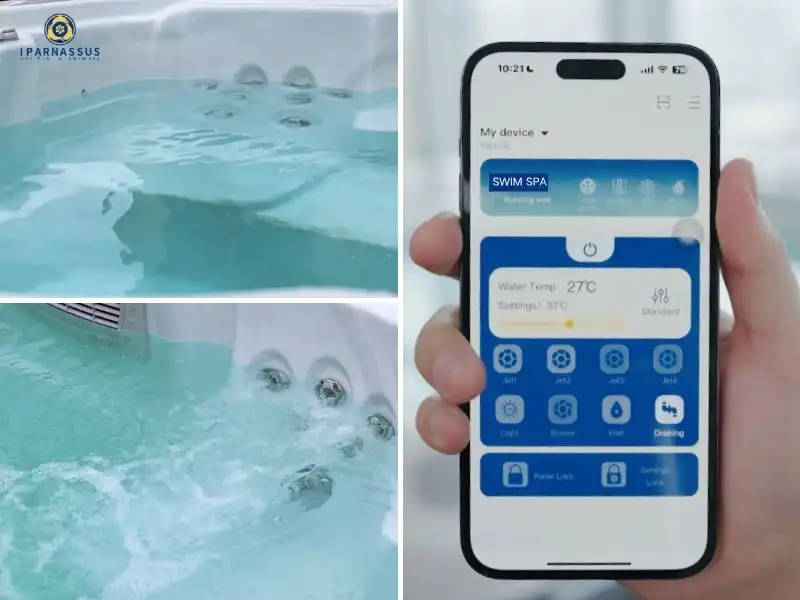
Building managers are able to monitor iParnassus® units from their mobile devices, making it possible for them to see the current water temperature and the operational status of the units in real time. As a result of its incorporation into the system, it provides automatic protection against both high and low temperatures. This prevents the heater from turning on when it is not required, such as when there is no one in the house or when the temperature is high outdoors. Smart water level reminders and remote water management are two methods that may significantly reduce the amount of time spent on labour and waste on larger sites.
Comparison: Stainless Steel Hot Tub Maintenance vs. Other Materials
Against Wood and Acrylic
Over time, oak and cedar tubs need to be stained, coated, and have the wood fibers changed every year. Acrylic shells can get tiny cracks when they are exposed to UV light or chemicals that aren't put together right. These holes let germs in and need to be fixed. It also doesn't matter if the shell is made of 304 stainless steel. It won't soak up water, bend, or change color over time, making the pros of stainless steel clear for homes that need a lot of upkeep.
Against Fiberglass
Fiberglass doesn't rust too badly in fresh water, but chlorine and saltwater make the gel coat break down faster. Over time, the gel coat gets chalky and dull, and a professional has to resurface it. Stainless steel doesn't need any extra work to look good near the water and the coast. This is the main reason why more and more boat builders and beach resort owners choose it for projects that will be exposed to salt air.
Long-Term Cost Perspective
To buy, a stainless steel tub costs more than a plastic or fiberglass one. But if you use the steel tub for 10 years, it generally costs less overall. In three to five years, the lower number of times the paint had to be redone, the fewer problems with chemical compatibility, and the less work that had to be done to clean biofilm made up for the higher price.
Procurement and After-Sales Support: Ensuring Long-Term Performance
Choosing Certified Manufacturers
A CB or UKCA license means that a third party has checked the product to make sure it is safe for the people it is meant for. Both CE/TUV and CE/UL have approved the pump and heater in the iParnassus® round spa, which means it works with electricity in most places around the world. Checking these licenses ahead of time when looking for a provider of a round stainless steel hot tub for business use stops installation from getting in trouble with the law.
Professional Installation and Warranty Coverage
The 220–240V/50Hz connection should only be made by a licensed plumber to make sure it meets local rules, and the GFCI safety is set up correctly. Also, this keeps the guarantee in place. Customer service is something that iParnassus® stands behind after the sale. Spa goods have been made by this company for 18 years, and by 2026, they will have 80 patents. Because the brand has a world delivery network, it's easy to get spare parts, accessories, and expert help.
Total Cost of Ownership Planning
Procurement teams should get a full list of parts and wait times before they make a deal to buy something. It's less likely that something will break down if you have jet bodies, pump seals, and heater elements on hand. Because it only has an 183.5 cm diameter, this unit can be put on decks, rooftop gardens, and ships, where bigger spas can't. This gives owners more choices without lowering the number of people who can use the spa at once.

Conclusion
If you set up the right routine from the start, a round stainless steel hot tub is much easier to take care of than one made of wood, plastic, or fiberglass. Weld checks, stable water chemistry, and a smart cover all work together to protect the 304 stainless steel shell and the parts inside. These habits help things last longer, cost less, and give customers a better experience when they visit businesses near the water. Taking care of your stainless steel spa is one of the best things you can do for your hotel or resort in the long run.
FAQ
1. How often should I clean a stainless steel hot tub surface?
If it's used every day at work, clean the inside shell every 48 hours with a pH-neutral cleaner that doesn't scratch. You only need to clean your home once a week. For this job, steel with a smooth surface works better than steel with a rough surface.
2. Can I use chlorine in a 304 stainless steel hot tub?
Yes, 304 stainless steel can be used in places where the water has chlorine in it. The pH level should be between 7.2 and 7.8 and the free chlorine level should be between 2 and 4 ppm. Keep chlorine pills that haven't been dampened away from the shell's surface. Touching it for a long time can damage the finish.
3. What causes jet clogging, and how do I fix it?
Salt buildup from hard water is the main cause. Citric acid or white vinegar should be used to soak jet inserts that can be taken out for 30 minutes. After that, the inserts should be rinsed. For less return, check how hard the water is and make sure the calcium level stays between 150 and 250 ppm.
4. Is professional maintenance necessary for commercial installations?
A skilled expert should do a full system repair every six months. This includes checking the welds for integrity, the pump seals for wear, the heater for buildup, and the electrical system. Every day and week, jobs can be done by staff on-site who have been trained and follow a standard working plan.
Get Your Round Stainless Steel Hot Tub Quote from iParnassus®
They have been building spas for 18 years, so they know what they're doing when they build one. The base of our round stainless steel hot tub for sale is made of 304 stainless steel. It has 15 massage jets, smartphone settings, and is ready for CB/UKCA. It's made for tough work situations and has only four seats. If you need specs, prices, or OEM help for your next home project, email our team at info@iparnassus.com right now.

References
1. Association of Pool & Spa Professionals (APSP). ANSI/APSP/ICC-1 American National Standard for Residential In-ground Swimming Pools. APSP, 2014.
2. Javaherdashti, R. Microbiologically Influenced Corrosion: An Engineering Insight. Springer, 2008.
3. Sedriks, A.J. Corrosion of Stainless Steels, 2nd ed. Wiley-Interscience, 1996.
4. Pool & Hot Tub Alliance. Model Aquatic Health Code: Hot Tub and Spa Guidance. PHTA, 2021.
5. American Society of Heating, Refrigerating and Air-Conditioning Engineers (ASHRAE). ASHRAE Handbook – HVAC Applications: Natatoriums and Aquatic Facilities. ASHRAE, 2019.
6. NSF International. NSF/ANSI 50: Equipment for Swimming Pools, Spas, Hot Tubs and Other Recreational Water Facilities. NSF, 2022.

Send Inquiry