_1768872582663.webp)
Swim Spa 4M Maintenance: Essential Care Tips
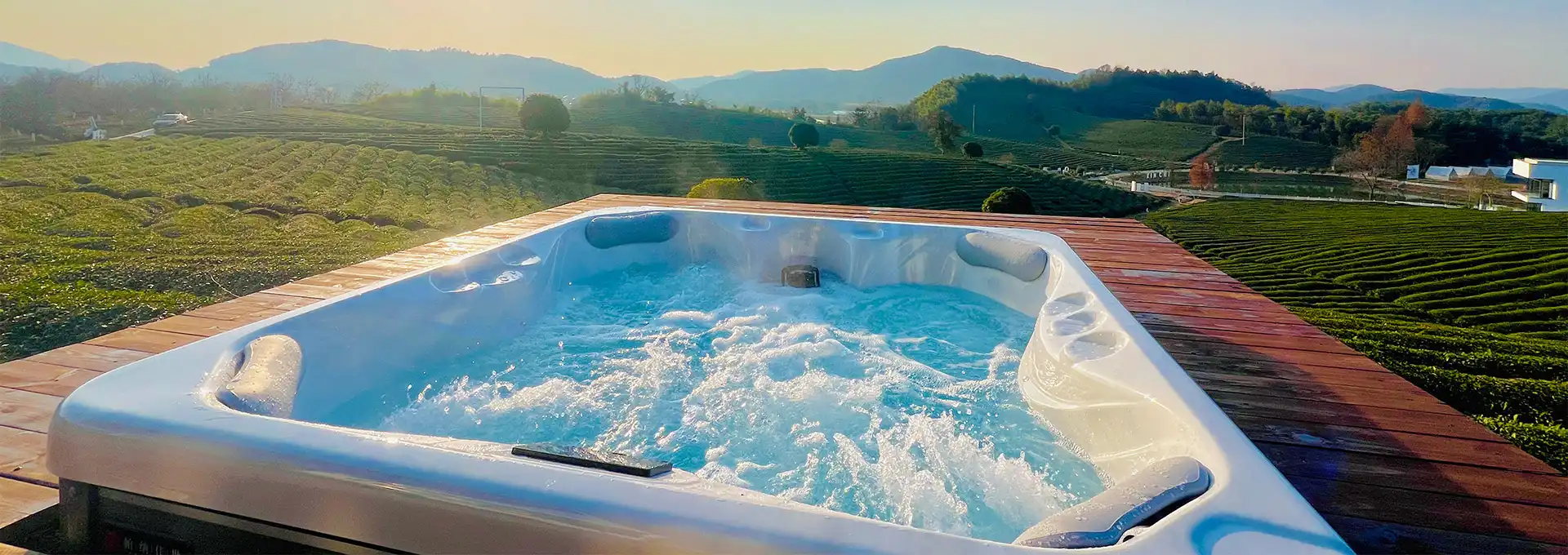
Owning a swim spa 4m unit is a long-term investment in wellness, hospitality, and property value. Whether you manage a boutique resort, a private villa, or a luxury residential property, keeping your compact swim spa running at peak performance requires consistent, structured care. This guide covers every critical maintenance area — from water chemistry and filtration to energy efficiency and seasonal upkeep — so your unit delivers reliable performance, low operating costs, and an exceptional guest or personal experience every day.
Understanding Swim Spa 4M Maintenance Essentials
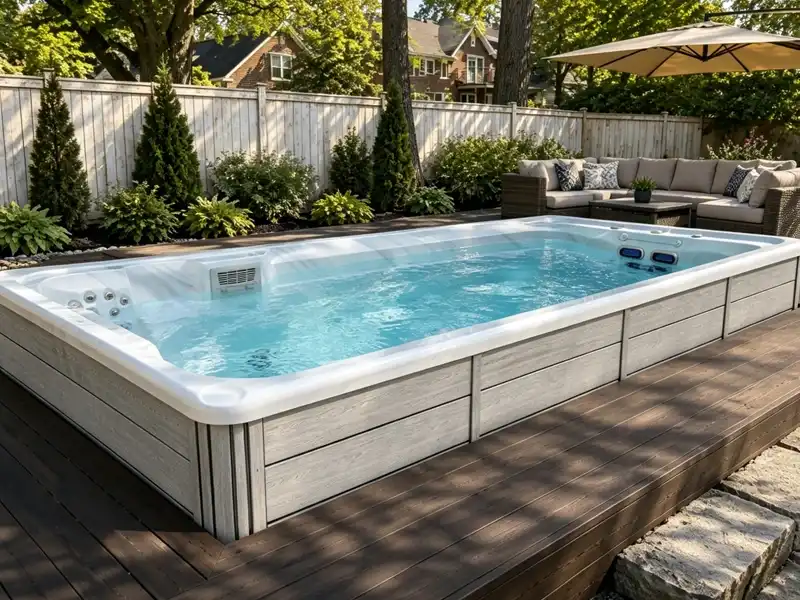
A 4-meter swim spa is very small, but it has a lot of complicated parts. Like the iParnassus® 4D20, some models come with a smart control panel, three professional 13.5-inch large swim jets, twelve 5-inch side wall jets, strong pumps, built-in seats with targeted hydrotherapy nozzles, and pretty water fountains. They are all very important, so you should pay close attention to them.
To keep a small swim spa in good shape, you need to clean and fix the filters, pumps, heaters, jets, and computer control panel. A clogged filter puts stress on the pumps; a pump under a lot of stress uses more energy, and more energy use raises running costs and speeds up component wear. If you don't take care of even one of these parts, it starts a chain reaction.
Being sure that the water chemistry is balanced is what the Pool & Hot Tub Alliance says can keep over 60% of spa equipment from getting broken. If a business owner is in charge of more than one installation, that number immediately means more maintenance costs and angry guests.
Key Maintenance Areas and Step-by-Step Care Procedures
If you take structured, regular care of your swim spa system, it will last longer and work better even after years of heavy use.
Water Quality Management
Because of how water works chemically, hydrotherapy is safe and nice. The total alkalinity should be between 80 and 120 ppm, the pH should be between 7.4 and 7.6, and the chlorine or bromine amounts should be what the manufacturer says they should be. At least three times a week for business use and twice a week for home use.
When water isn't balanced, it eats away at pump parts, leaks, and forms biofilm in pipes, all of which are very expensive to fix.
Filtration System Care
You should clean the capsule filters with a special cleaner every two weeks. Every 12 to 18 months, depending on how often they are used, you should change the filters. If the water stays cloudy even though the chemistry is right, the filter needs to be replaced sooner. Other signs are lower jet pressure and clear signs of filter media breakdown. The pump has to do less work and use less energy when the filter cycle is clean.

Mechanical and Electrical Checks
Once a month, the pump should be checked on a swim spa 4m. Listen for shaking or grinding that doesn't happen often. It means the bearings are old. When you repair the filter, coat the O-rings and shaft seals with a silicone-based oil. Every three months, look at the links in the control panel to see if they are rusty or letting water in. The iParnassus® touch-sensitive control panel is waterproof to a certain extent, but a trained worker should still check the connections at the junction spots often.
At least once a year, you should schedule a professional service. Repair calls in an emergency cost a lot more than preventative visits from a professional.
Energy Efficiency and Cost-Saving Maintenance Practices
People who run businesses care a lot about how much energy they use. A well-kept 4m swim spa costs a lot less than a 6m in-ground pool of the same size. During the cooler months, it costs less to heat when hard covers that are sealed stop up to 70% of heat loss.
Here are some repairs that will save you energy right away:
Please make sure the filters are clean. It takes more electricity and power to run pumps when the filter is dirty. Hydraulics work better again after being cleaned regularly.- Make sure there is enough water. Too much calcium in the water causes scale to form on heater parts. This makes it take longer to heat up because it slows down the flow of heat.
- Keep filters clean. A dirty filter forces pumps to work harder, increasing amperage draw and electricity consumption. Regular cleaning restores hydraulic efficiency.
- Maintain correct water balance. Scale buildup from high calcium levels insulates heater elements, reducing thermal transfer efficiency and inflating heating time.
- Inspect and seal the cover regularly. A cover with worn seals or damaged foam core loses insulation integrity. Inspect cover seams and hinges monthly.
- Leverage smart automation. The iParnassus® proprietary control system supports real-time monitoring of water level, operational status, and energy usage via smartphone. Automated alerts notify managers of anomalies before they become costly failures.
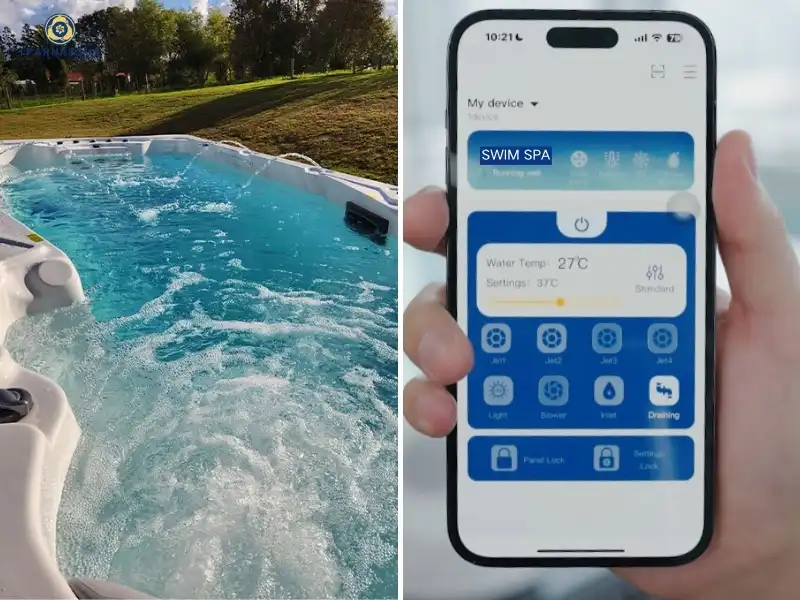
All of these things help the environment and lower running costs, which is something that resort builders and hotel buying teams around the world care about more and more. If you take good care of your 4-meter swim spa, it will use a lot less energy than an in-ground pool all year long while still giving you the same or even better hydrotherapy benefits.
Installation and Post-Installation Maintenance Best Practices
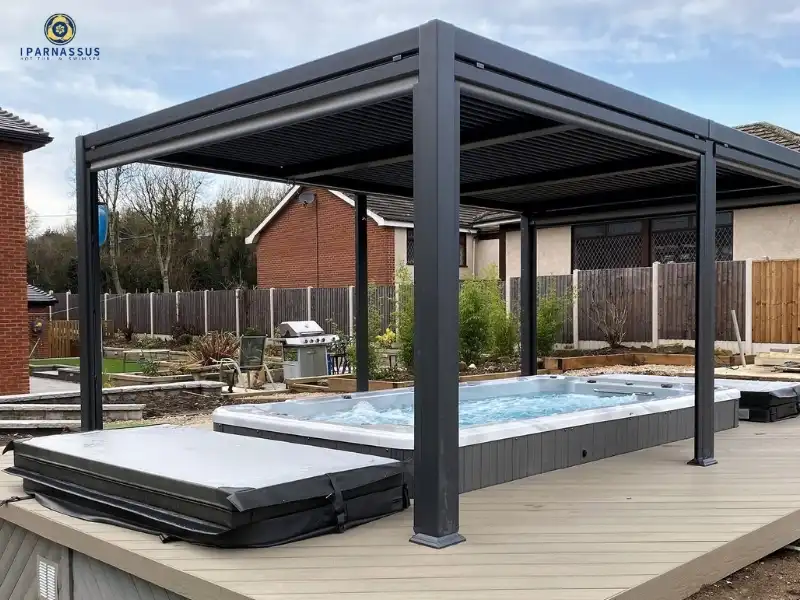
How simple it is to do maintenance in the future will depend on the smart choices that were made during installation. Most of the time, people don't think about how simple it is to reach a place. For a swim spa 4m, maintenance work needs to be able to be done on things like equipment screens, pump housings, and filter housings without having to do a lot of structural work.
You need to think about where the drains are, how much electricity it can use, and how much weight it needs to hold on the ground. Bases made of concrete pads or strengthened decking are stable and level, so the cabinet won't bend or twist over time. Before you put up the fence, you should check with the local government to see what the rules are for water release, electrical wiring, and barrier fences.
A full checklist after installation should make sure of these things:
- Every jet tip is where it should be and working at full speed.
- Statues of water and other art don’t leak.
- The smart control system can connect to the network in the building.
- All jet nozzles are correctly seated and delivering full pressure
- Water fountains and decorative features operate without leaks
- Smart control system connectivity is confirmed on the facility's network
- Baseline water chemistry is established before first use
- Cover fit and seal condition are logged as a reference point
It is documented how the cover fits and how well it seals.
Long-Term Care Strategies and Troubleshooting
For repair plans to work all year, they need to be able to adapt to changes in seasonal temperature, how often they are used, and how the water reacts chemically.
Seasonal Adjustments
If you live somewhere cold, you should check on the heater more often and make sure the foam insulation on the cabinet and cover is still good. When it's hot, more water disappears, and the cleaner is used up faster, so you need to check on the water level and add more water more often.
Common Issues and Troubleshooting Pathways
Within the business, teams can handle the water's chemistry, clean the filters, and do basic visual checks. To protect the warranty and keep the damage from getting worse, however, only trained techs should do mechanical and electrical diagnostics.
- Cloudy water typically signals insufficient sanitizer, high pH, or a compromised filter. Shock treat the water, retest chemistry, and inspect the filter before assuming equipment failure.
- Reduced jet pressure points to filter restriction, air lock in the pump line, or partial jet blockage. Backwash the filter and check the pump priming sequence.
- Abnormal pump noise warrants immediate attention. Cavitation, bearing wear, or impeller damage requires a qualified technician — operating a damaged pump risks broader system failure.
- Temperature inconsistency usually indicates scale buildup on heater elements or a faulty thermostat sensor. Descale the heater housing and verify sensor calibration.
In-house teams can manage water chemistry, filter cleaning, and basic visual inspections. Mechanical and electrical diagnostics, however, should involve certified technicians to protect warranty coverage and prevent compounding damage.
Conclusion
A swim spa that lasts ten years is not the same as a swim spa 4m that needs fixes every three years because it wasn't taken care of properly. These care directions will protect your investment and make sure that all users and guests have the best experience possible, whether your unit is for a home, a small hotel room, or a resort healing area. The iParnassus® 4D20 is made to be easy to maintain and offers smart tracking. It gives you everything you need to do low-cost, quick repairs.

FAQ
1. How often should I service my swim spa?
Test water chemistry two to three times per week for commercial settings and clean filters every two weeks. Schedule a professional inspection at least once annually to service pumps, seals, and electrical components.
2. Does maintenance frequency affect my warranty?
Yes. Most manufacturers, including iParnassus®, require documented routine maintenance to keep warranty terms valid. Skipping scheduled filter changes or ignoring water chemistry imbalances may void coverage for related component failures.
3. What are urgent signs that require professional intervention?
Unusual pump noises, persistent water clarity issues despite correct chemistry, visible leaks around jet housings or plumbing connections, and error codes on the smart control panel all warrant immediate professional assessment. Delayed response to these signs typically escalates repair costs significantly.
4. Can the smart control system help with maintenance reminders?
The iParnassus® control system sends automatic reminders for water replenishment and monitors operational status in real time via smartphone, simplifying routine upkeep for facility managers overseeing multiple units.
Partner With iParnassus® for Expert Swim Spa Support
If you hire iParnassus® to make a swim spa 4m, we'll bring 18 years of experience and 80 patents to the table. Hotel owners, resort operators, and villa owners can get a full, low-maintenance option from us. This includes our smart control system, high-quality materials, and dedicated after-sales team. You can see all of our goods at info@iparnassus.com to set up a meeting right away.

References
1. Pool & Hot Tub Alliance (PHTA). Spa and Hot Tub Water Quality Guidelines. PHTA, 2022.
2. American National Standards Institute (ANSI). ANSI/APSP/ICC-14: American National Standard for Portable Electric Spa Energy Efficiency. ANSI, 2019.
3. Centers for Disease Control and Prevention (CDC). Healthy Swimming: Spa and Hot Tub Water Quality. CDC, 2021.
4. U.S. Department of Energy. Energy Efficiency in Residential Pool and Spa Heaters. Office of Energy Efficiency & Renewable Energy, 2020.
5. National Swimming Pool Foundation (NSPF). Certified Pool and Spa Operator Handbook. NSPF, 2021.
6. Water Quality & Health Council. Recreational Water Chemistry: Managing Spa and Hot Tub Environments. Water Quality & Health Council, 2020.

Send Inquiry