_1768872582663.webp)
How to Choose an Energy-Efficient Large Hot Tub
Choosing the right large hot tub for a commercial or luxury residential setting requires more than selecting the biggest model on the market. Energy efficiency, jet performance, water capacity, and long-term operational costs all weigh heavily in a sound procurement decision. Whether you manage a resort, develop luxury villas, or operate a commercial spa, the right oversized hot tub should deliver therapeutic performance while keeping utility bills predictable. This guide walks you through every critical factor, helping you procure with confidence and clarity.

Understanding Energy Efficiency in Large Hot Tubs
Three things determine how energy-efficient a commercial-grade spa system is: the quality of the insulation, the heating technology, and how well the pump works. When it comes to B2B buyers, badges are more like objective performance standards than marketing speak. Standards like ENERGY STAR, CE, and ETL make sure that a unit meets certain levels of efficiency. When reviewing vendors, procurement teams should ask for proof of certification along with recorded energy use data per operating hour. Products with six or more foreign certifications show that the engineering is sound, which is an important thing to look for when researching big hot tub sources for hotel or high-end real estate projects.
Efficiency has a direct effect on the total cost of ownership. As the U.S. Department of Energy says, hot tubs that aren't well sealed can lose up to 50% of their heat just through the walls of the closet. Choosing a model with full-foam insulation and a well-fitted thermal cover can cut heating energy use by 30–40% over the course of a normal operating year. These are big numbers when a resort or spa has a lot of units running all the time.
Key Criteria for Choosing an Energy-Efficient Large Hot Tub
Structured screening helps procurement teams avoid mistakes that cost a lot of money. First, make a plan for how the system will work. For example, outdoor installations in areas with big changes in temperature need thicker insulation and stronger heating systems than climate-controlled indoor installations. In terms of efficiency, heat pump technology is better than standard electric resistance heaters. It often provides 3–5 units of heat energy for every unit of electricity used, which is a key factor for business settings that see a lot of use.
How well the pump works is also very important. A spa with multiple specialized pumps spreads the hydraulic load more evenly, which makes the motor less stressed and lets you control each jet zone separately. The iParnassus® 9R00 Party Spa is 379 × 225 × 88 cm and can fit 7 to 8 people. It has 101 massage jets set up in a 3-pump setup. This design makes sure that each pump works within its best range of efficiency, so that one motor doesn't get overloaded. This means that each jet uses less energy and the parts last longer.
Here are the main rating factors that people who work in procurement should use:
- Insulation material and coverage: Full-foam or high-density foam lining reduces thermal loss dramatically compared to partial insulation. Prioritize models where the cabinet, base, and underside of the shell all carry insulation coverage.
- Heating system type: Heat pump integration offers the strongest long-term efficiency return, especially for large-volume units. The 9R00 holds 2,540 liters of water—the largest capacity in its class—making an efficient heating system essential to manage thermal maintenance costs.
- Pump-to-jet ratio: Industry guidance recommends 20–30 jets per massage pump. The 9R00's 101 jets across 3 pumps align precisely with this benchmark, helping users experience the hot tub benefits of consistent hydrotherapy pressure without unnecessary energy waste.
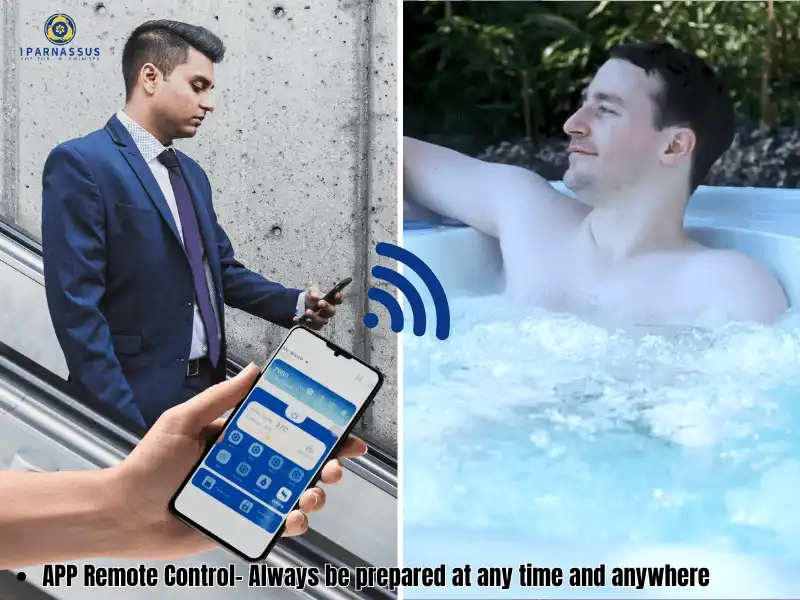
- Smart controls: iParnassus® units integrate smartphone control, real-time water level monitoring, automatic self-protection programs, and an energy-efficient heat pump power supply port—tools that allow facility managers to schedule heating cycles and reduce idle energy consumption.
When these factors are used together, they get rid of the need to guess and make a seller ranking system that is based on operational data instead of product brochures.
Practical Tips and Best Practices for Procurement and Maintenance
From the first day, the choice of site affects how much energy is used. Putting a spa somewhere out of the wind will keep the surface warmer. A solid, level concrete pad that is at least four inches thick provides the structural base for a unit this size and makes sure that the plumbing connections don't get strained over time. A structural engineer must check decks and patios before installing a 9R00 because it weighs a lot more than regular home hot tubs when it's fully loaded.
After installation, regular maintenance keeps things running smoothly. When you keep the filters clean, the motor and pump resistance go down. Managing the chemistry of water keeps scale from building up on heating elements, which over time makes thermal transfer less effective. If you buy high-quality thermal covers that fit the shell perfectly, they are one of the best investments you can make. For commercial units that are used all the time, the payback period is measured in months instead of years. Smart tracking systems notice problems before they become costly service calls. This supports the proactive management style that buying teams that care about the environment value.
Comparing Energy-Efficient Large Hot Tubs with Alternative Options
Knowing where a big hot tub fits in the larger product world helps buying teams explain to stakeholders why they chose that particular model. Swim spas can be used for fitness, but they need a lot more energy to keep the water at the right temperature across their larger volume and to power their current-generation systems. A spa that was specifically designed for hydrotherapy and socializing works better in hotel areas where those are the main uses.
The least expensive models are inflatable ones, but they can't compare to hard-shell units when it comes to insulation, durability, or therapeutic output. When evaluating hot tub benefits, B2B buyers should also consider how these differences affect long-term use and operating costs. In business settings, they only last a few months instead of years, which makes comparing their total cost of ownership less useful. Hard-shell acrylic spas with full-foam insulation and multi-pump configurations give B2B buyers the durability, efficiency, and performance they need.
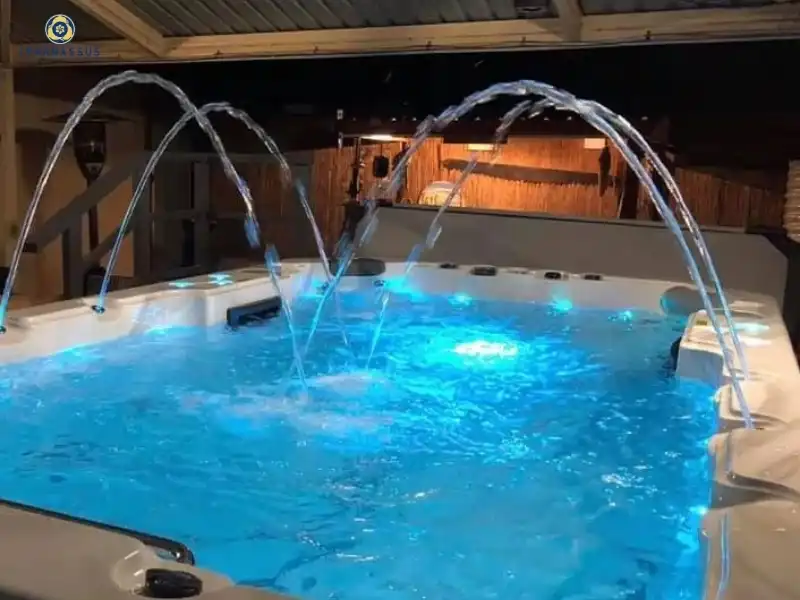
This benefit is shown very clearly by the 9R00 Party Spa. Its two waterfalls and 24 colorful LED lights give it the look of luxury that people expect from resorts and hotels—something that is really hard to get in any other format. The two built-in ice buckets and cozy seating areas for couples show that the designers thought carefully about how to make social and hospitality spaces where atmosphere is an important part of the guest experience.
Long-Term Value and Future-Proofing Your Investment
More and more, businesses in the hospitality and luxury real estate industries are using ESG factors in their purchasing decisions. Specifying energy-efficient equipment helps with reporting scope 2 emissions reductions, makes it easier for places to get green certifications, and speaks to travelers who care about the environment. A big spa that uses little energy is no longer just a nice-to-have—it's a clear ESG advantage.
iParnassus® has worked on spa tech for 18 years and has earned 80 patents and 6 foreign certifications by 2026. As next-generation technologies like advanced heat pump compressors, AI-driven energy scheduling, and better insulation materials move from concept to production, this base will help the brand. If you choose a maker that actively invests in research and development, you're less likely to buy equipment that becomes outdated before it's time to be used.
Conclusion
Selecting an energy-efficient large outdoor spa for commercial or luxury residential use demands rigorous evaluation across insulation, heating systems, pump architecture, smart controls, and certification credentials. For buyers comparing a large hot tub with other spa configurations, the data consistently shows that upfront investment in engineered efficiency pays back through lower utility costs, reduced maintenance frequency, and longer operational lifespans. The iParnassus® 9R00 Party Spa exemplifies this balance—delivering 101 jets, 2,540L water capacity, dual waterfalls, and certified efficiency in a unit purpose-built for high-occupancy luxury environments.
FAQ
1. How much energy does a large commercial hot tub consume monthly?
The energy consumption of a well-insulated business spa is normally between 150 and 300 kWh per month, depending on the temperature, frequency of usage, and the heating system type. Heat pump versions utilise far less energy than electric resistance heaters. In comparable cases, they may decrease energy consumption by 50–60%.
2. What credentials are needed to source a big hot tub supplier?
Give greater weight to producers with certifications like CE, ETL, SASO, and others renowned worldwide. Six or more licenses on a product show that more than one regulatory authority has authorised the product. This is good for purchasing products cross-border in North America, Europe, the Middle East, and Australia.
3. How frequently does a commercial scale spa need maintenance?
Filters used for business should be cleaned every 4 to 6 weeks. The water should be monitored and changed every week. The pool should be completely refilled with water every three to four months, depending on the number of people using it. Smart tracking systems may set up automated warnings, which makes it simpler for building workers.
4. Is a heat pump the best heating choice for a big spa?
Yes, heat pumps release 3-5 units of thermal energy for every unit of electricity they utilise. They are the most cost-effective solution to heat big, constantly-used spaces in hospitality settings.”
Partner with iParnassus® for Your Next Large Hot Tub Project
Every big hot tub maker that works with iParnassus® gets access to 18 years of technical know-how and 80 patents. The 9R00 Party Spa is a large hot tub that can be bought by resorts, hotels, villas, and businesses around the world. You can email our team at info@iparnassus.com to get a plan that is tailored to your project's needs and meets the sustainability standards.

References
1. U.S. Department of Energy — Energy Saver: Hot Tubs and Spas, 2022.
2. ENERGY STAR Program — Residential Water Heaters and Pool/Spa Heaters Technical Guide, U.S. Environmental Protection Agency, 2023.
3. Association of Pool & Spa Professionals (APSP) — ANSI/APSP/ICC-14 American National Standard for Portable Electric Spa Energy Efficiency, 2019.
4. Consumer Reports — Hot Tub Buying Guide: What to Look for in Energy Efficiency and Durability, 2023.
5. International Energy Agency (IEA) — Electrification and Heat Pump Deployment in Commercial Buildings, 2023.
6. Forbes Home — Best Hot Tubs: Expert Buying Guide for Large and Commercial Models, 2024.

Send Inquiry