_1768872582663.webp)
Hot Tub Therapy for Arthritis: Benefits and Safety Tips
Research has shown hot tub treatment, often described as hot tub therapy, to be quite effective for those who suffer from arthritis, thanks to the benefits of warm water, buoyancy, and forceful jet massage. If you’re dealing with joint aches and stiffness that make it hard to get through the day, slipping into a properly designed spa may help to decrease inflammation, improve circulation, and relieve muscle tightness around the afflicted joints. This is confirmed by studies published in Rheumatology International that found that frequent physical exercise in warm water and immersion significantly reduces pain levels in adults with osteoarthritis. If you are a wellness center or resort owner, or buy therapeutic equipment for commercial reasons, you may be able to make better selections by knowing the benefits of hydrotherapy for arthritic symptoms.
Understanding Hot Tub Therapy and Arthritis
Arthritis is not a disease. Rheumatoid arthritis is an inflammatory illness in which joints become swollen and painful, while osteoarthritis is a degenerative disease of the cartilage. They ache. They make you stiff. They stop you from moving. According to the CDC, more than 58.5 million individuals in the U.S. have some kind of arthritis. The major thing is that people cannot work in the nation.
How Does Warm Water Work on Arthritic Joints?
When you warm up, your blood vessels dilate. This causes more oxygen-filled blood to be sent to the enlarged tissue. Floating reduces your body weight by around 90%. This means your knees, hips,s and lower back that support your weight don't have to exert as much effort. Based on the gate control hypothesis of pain, pulsatile jets inhibit pain signal transmission and stimulate the surrounding muscles. Thermal, hydrostatic,c and mechanical are three approaches that may provide significantly less arthritic agony. Resting passively alone is not enough.
Osteoarthritis vs. Rheumatoid Arthritis: Different Needs, Same Tool
The majority of OA patients find that heat exercises relax tight cartilage and relieve morning stiffness. You’ll have to take extra measures during RA flare-ups. But as patients begin to improve, swimming in warm water allows their joints to move without any tension on the swollen tissue. That distinction enables health care and hospitality staff to design session standards that are safe and useful to many individuals.
Key Benefits of Hot Tub Therapy for Arthritis Management
Warm water hydrotherapy may be good for your mental and physical wellness in many ways. The proof is there. These advantages are immediately reflected in visitor enjoyment, repeat visits, and the placement of their goods by B2B clients in establishing health programs for people with arthritis.
Pain Relief and Reduced Joint Stiffness
A 2019 study in Supplementary Therapies in Medicine found that swimming regularly could help ease discomfort for persons with knee osteoarthritis. So I thought the muscles surrounding your joints would become softer as you swim in warm water. This removes the stress on the side of your joints. It's a common result of arthritis relief programs at rehab clinics and hotel spas, and it makes it so much simpler to get about in the morning.
Improved Mobility and Faster Recovery
The discomfort is partly due to the tight muscles surrounding the arthritic joint. The focused jet massage loosens up patterns of stiffness, gradually increasing range of motion. Improved lymph flow helps to clear inflammation-producing chemicals more rapidly. This reduces the period for recovery between sessions. People who stay at a resort or vacation rental find they can move about more easily while there and return again. Long-duration pain raises the quantity of cortisol and disrupts sleep. So when you go into warm water, your parasympathetic nervous system kicks in. It quickly decreases your heart rate and your level of attention. A major study in the journal Sleep indicated that those who preheated their bodies before bed had considerably deeper slow-wave sleep. They assume that for those with arthritis, visiting the spa every night alters how long and how well they sleep. It’s beneficial for your health, and it will add value to your building.
Stress Reduction and Sleep Quality
Chronic pain increases cortisol levels and alters sleep architecture. Soaking in warm water as part of hot tub therapy triggers the parasympathetic nervous system, which simultaneously slows your heart rate and reduces cortisol. A landmark research study in the journal Sleep found that passive body heating before bedtime dramatically increased slow-wave sleep in adults. Nighttime spa reservations, another great health benefit to add to your value proposition, can result in substantial improvements in sleep quality and duration for arthritis sufferers.
Safety Tips and Frequency Recommendations for Arthritis Patients
Hydrotherapy is usually safe, but there should be clear rules about how it should be used. People who run health programs for their guests in their own homes or in businesses must follow these rules.
These are the most important safety rules that every driver needs to follow:
- Water temperature: Maintain between 36°C and 40°C. Temperatures above 40°C increase cardiovascular strain, particularly in older adults or those on vasodilatory medications.
- Session duration: Limit individual sessions to 15–30 minutes. Exceeding this window elevates core body temperature and may trigger dizziness or dehydration.
- Hydration: Encourage guests to drink water before and after each session. Warm immersion promotes perspiration even when users do not feel it.
- Physician screening: Guests with cardiovascular disease, uncontrolled hypertension, or active RA flare-ups should obtain medical clearance before use.
- Hygiene maintenance: Commercial operators must test water chemistry daily. Poorly balanced water pH promotes bacterial growth and skin irritation.
Let your guests know they should drink water before and after each lesson. People sweat even if they can't feel it when they're in warm water.- Review by a doctor: People who have heart disease, high blood pressure that they can't control, or RA flare-ups should get medical permission before using.
Comparing Hot Tub Therapy to Alternative Arthritis Treatments
Why is warm water hydrotherapy useful for joints? Knowing how it fits in with other joint treatments will help you sell your product.
Cryotherapy, which is another name for cold treatment, works well to reduce acute inflammation, but it doesn't loosen up muscles or make joints more mobile. The dry heat from saunas makes you warmer, but they don't have the hydrostatic pressure and jet stimulation that make pool treatment special. People who get massages and use hot tubs together feel better; research has shown that they work better when used together. But you need to be trained to give massages, which makes it harder for some people to get them and harder to grow. Both whirlpool baths and therapeutic swim spas use water to help people relax. However, therapeutic swim spas have more jets, better seats, and a larger pool.
These hot tubs are less expensive and easier to move around, but the jets aren't as strong and the cover isn't as good. Permanent installations, on the other hand, work the same way during thousands of meetings for hot tub therapy. This is an important thing for business owners to think about when they are figuring out the total cost of ownership over a number of years.
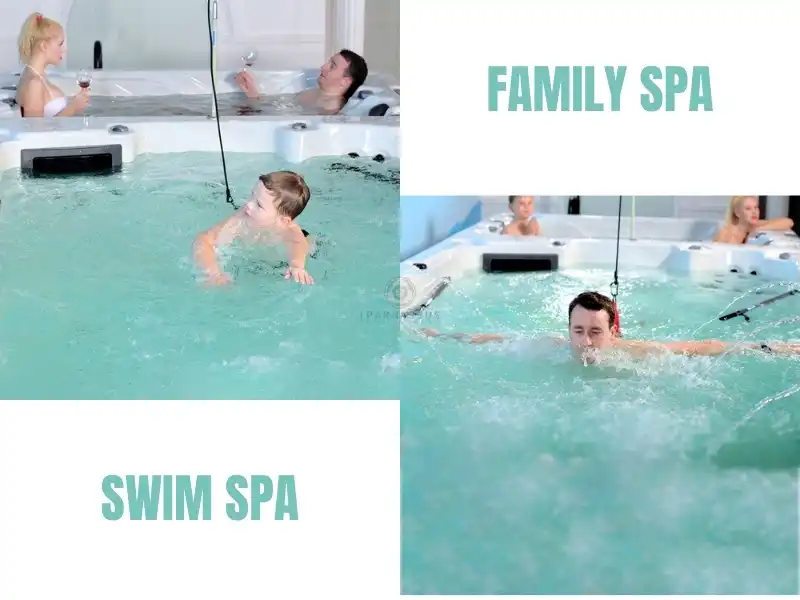
Procurement Guide: Selecting the Right Therapeutic Swim Spa
When looking for hydrotherapy tools for arthritis, the number of jets, the layout, the pump's power, and its ability to work with management systems determine how well an installation can perform.
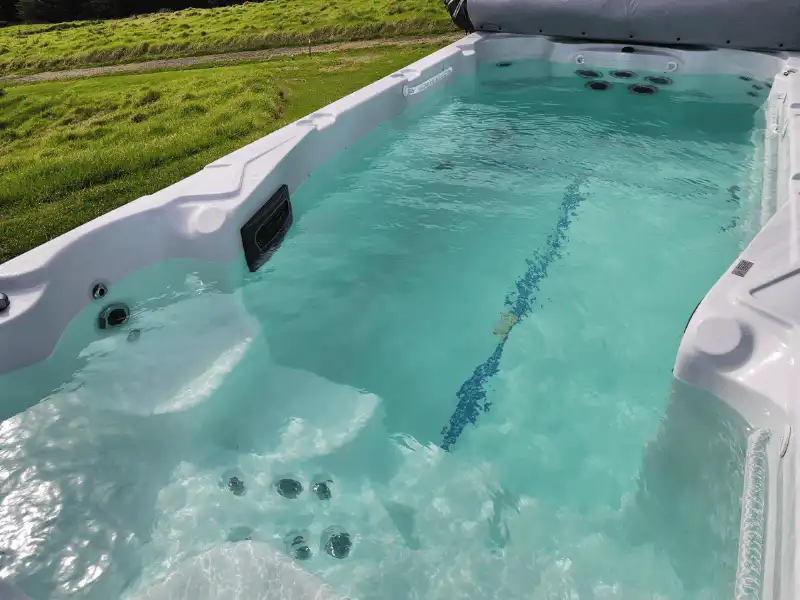
When it comes to swim spas that are made to heal, the iParnassus® 3D80 is a great example. It has a beautiful, classic look and is iParnassus®'s best-selling single-zone model. Both the fittings and the structural engineering have been fully improved, but the price has not gone up.
These are the main things that make the 3D80 stand out in therapy settings:
Four pumps power 60 therapy jets, which is the best jet-to-seat ratio in the range. This means that you can get hydrotherapy from your shoulders to your feet.- The three seat configurations—two side seats with built-in pillows and a middle seat with nine 2-inch backrest jets—affect different muscle groups at the same time. This means that a wide range of people with different therapy needs can use the machine at the same time.
Because it has a dual-function layout, different guests can use it at the same time to do different things. This works great for spas and hotels with lots of people. Safety lines and an extra-deep basin make it easy for people of all ages to use. It is safe to move around thanks to the bright blue floor signs. This is a nice touch for health centers that take care of older people with arthritis. Because they have an aromatherapy feature built in, spa workers can use essential oils to make sessions more sensory, which makes them more unique than normal tubs.
Integration of hotel central management makes it easier to run business projects with multiple units. This makes it easier for staff to keep an eye on things. It's better at night because the waterfall is lit up, which is good for the image of lodge and vacation rental owners.
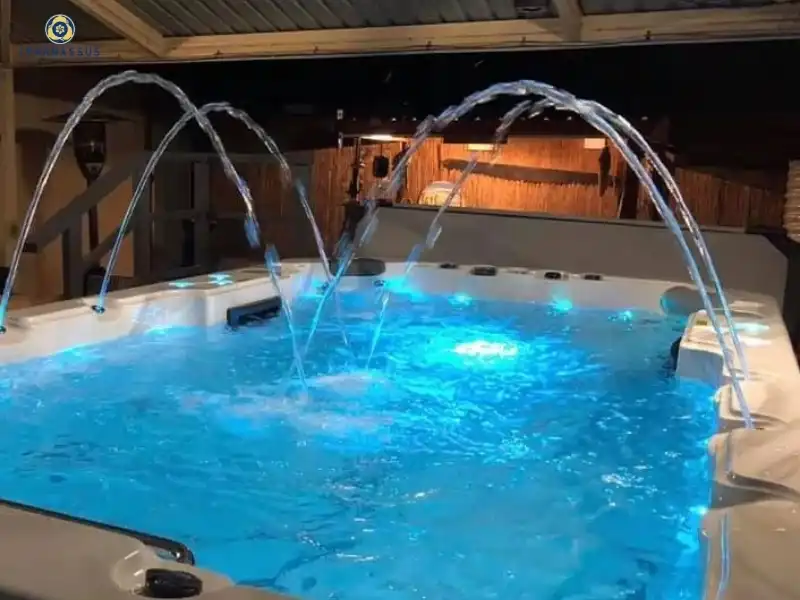
One 40HQ container can hold up to six units. This improves logistics and lowers the cost of ocean freight for business-to-business buyers around the world.
- 60 therapy jets powered by 4 pumps deliver the highest jet-to-seat ratio in the range, ensuring thorough, full-body hydrotherapy coverage from shoulders to feet.
- Three ergonomically distinct seat configurations — two side seats with built-in pillows and a middle seat with nine 2-inch backrest jets — target different muscle groups simultaneously, accommodating guests with varied therapeutic needs in a single session.
- Dual-function layout allows concurrent use by different guests performing different activities, ideal for hotels and resorts managing high guest throughput.
- Extra-deep basin and safety marker lines ensure comfortable access for users of all ages, with bright blue floor indicators guiding safe movement — a thoughtful detail for wellness facilities hosting elderly arthritis patients.
- Built-in aromatherapy capability enables operators to enhance sessions with essential oils, adding a sensory layer that standard tubs cannot match and differentiating the spa experience meaningfully.
- Hotel central management integration simplifies operations across multi-unit commercial deployments, reducing staff oversight burden.
- Illuminated waterfall feature elevates the nighttime experience, supporting premium positioning for resort and vacation rental operators.
- Logistics efficiency: Up to 6 units load into a single 40HQ container, substantially reducing per-unit ocean freight costs for international B2B buyers.
It is worth more for the company to have the iParnassus® smart control system. Tracking from a smartphone, automatic readings of the water level, self-protection programs for getting into and out of the water, and control of an energy-efficient heat pump all make things easier while still meeting guest safety standards.
iParnassus® has been making spas for 18 years and wants to have 80 patents by 2026. This means they have the technical depth to meet the needs of major therapeutic deployments in hotels, health resorts, physical therapy practices, and high-end residential projects.

Conclusion
There is a lot of evidence that warm water hydrotherapy, including hot tub therapy, is one of the best ways to treat gout without drugs. Patients care about benefits like less pain, more movement, less mental stress, and better sleep, and wellness-focused companies can also gain from these. These all work better when you have the right tools. The iParnassus® 3D80 is a platform that combines professional commercial logistics, high-density therapeutic jets, and smart management into a single unit that is built to last for years of heavy use.
FAQ
1. How often should arthritis patients use a hot tub?
Most physical therapists say that three to five fifteen- to twenty-minute sessions a week are best for long-term pain relief. Stability is more important than the amount of time you practice. To help the body safely adjust, start with shorter sessions at lower temperatures and slowly increase the time spent in the sun.
2. Can hot tub therapy replace arthritis medication?
No, hydrotherapy is not meant to take the place of medical care. It's meant to help them. It helps the most when you combine it with medicine, physical therapy, and changes to how you live. Always tell your friends or clients to follow their doctor's orders.
3. What water temperature is safest for arthritis sufferers?
Most of the time, a temperature range of 36°C to 38°C is best for health, especially for older people or people who need to watch their heart health. Temps close to 104°F might be safe for adults in good health for short periods of time, but they need to be closely monitored.
4. Is aromatherapy safe to use with arthritis hot tub sessions?
Yes, as long as you use aromatherapy items that are okay to use in spas. It has been shown that peppermint and lavender essential oils can help people relax and feel less pain. It is important to make sure that the spa's water system can handle aromatherapy so that nothing breaks.
Partner with iParnassus® — Your Trusted Hot Tub Therapy Supplier
To make your health services better, use healing technology that has been used for a long time. iParnassus® has been making hot tub treatment products for 18 years and has 80 patents to back them up. These ideas are designed to work well with doctors and companies. People can buy the 3D80 swim spa directly from the company that makes it, and it offers hot tub therapy products with full after-sales service and fast shipping to other countries. Send us an email at info@iparnassus.com right away to find out about prices, specs, and ways to work together.

References
1. Cochrane, T., Davey, R. C., & Matthes Edwards, S. M. — Rheumatology International, 2005.
2. Verhagen, A. P., de Vet, H. C., de Bie, R. A., et al. — Journal of Rheumatology, 1997.
3. Becker, B. E. — "Aquatic Therapy: Scientific Foundations and Clinical Rehabilitation Applications" — PM&R, 2009.
4. Centers for Disease Control and Prevention — "Arthritis Data and Statistics" — CDC, 2023.
5. Hasan, S., & Misurya, V. K. — "Therapeutic Aspects of Hydrotherapy" — Indian Journal of Physical Medicine & Rehabilitation, 2021.
6. Sung, E. J., & Tochihara, Y. — "Effects of Bathing and Hot Footbath on Sleep in Winter" — Journal of Physiological Anthropology, 2000.

Send Inquiry