_1768872582663.webp)
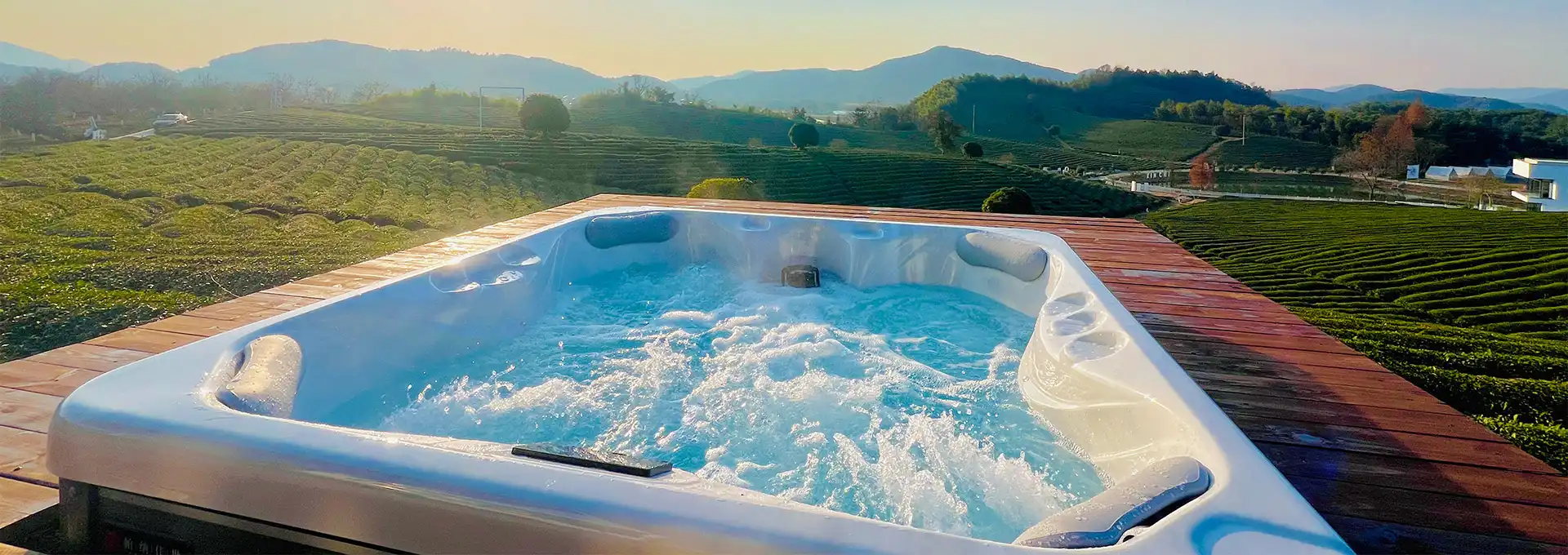
The best Compact Hot Tub for small spaces
When searching for the best Compact Hot Tub for small spaces, the answer lies in finding a unit that balances spatial efficiency with premium features. A truly exceptional compact hot tub delivers dual loungers, minimal water capacity for cost-effective operation, and flexible indoor-outdoor installation—all within a footprint small enough for urban balconies, small patios, or apartment settings. The ideal choice combines space-saving dimensions with therapeutic benefits, making luxury accessible even in the tightest environments.
Understanding Compact Hot Tubs: Key Features and Benefits
Defining Compact Hot Tubs and Their Core Characteristics
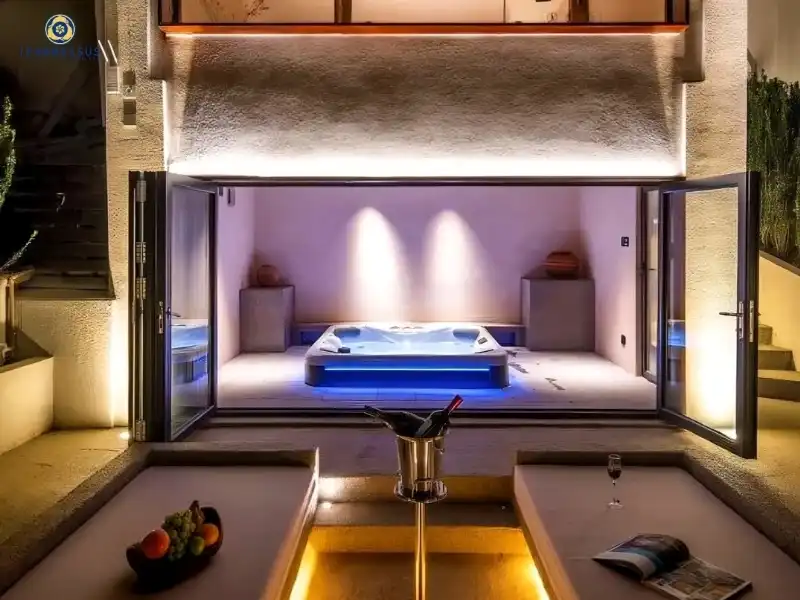
Compact hot tubs are intended for small spaces. Standard versions need 250–300 square feet; however, these units may fit in 120–150 square feet. Their therapeutic abilities and modest footprint (5–7 feet) make them special. Hard shells, built-in jet systems, and year-round weather resistance distinguish quality compact units from inflatable ones. These versions are fragile and can't support the powerful therapeutic jets that make spa experiences true.
Space Efficiency and Energy Performance
Small spa designs have several benefits beyond size. Less water means lower running expenses and faster heating. A 500-liter unit warms up in half the time of a 1,200- to 1,500-liter one. Energy usage directly affects profitability; thus, small hotel and B&B owners with several properties need this efficiency. Less surface area means less heat loss. This is particularly crucial for rooftops and open outdoor installations where wind and temperature variations may make heat retention difficult.
Therapeutic Components and Wellness Applications
Consider the jet arrangement in high-quality Compact Hot Tubs. Modern versions target shoulder, lower back, calves, and foot muscles with hydrotherapy jets. A two-way lounge seat enables you to obtain tailored massage treatment face-to-face on models like the 2R01. This setup is ideal for couples who wish to relax or cure chronic discomfort. Health institutions say frequent hydrotherapy helps reduce back pain by boosting blood flow and lowering spine disc pressure. Warm water buoyancy makes you 90% lighter, relieving painful muscles and joints immediately.
Filtration Systems and Temperature Management
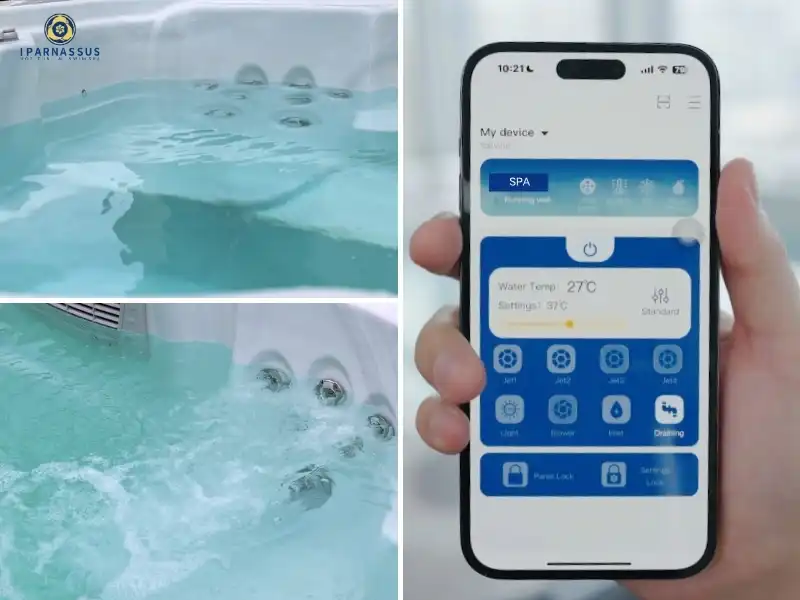
Good skimmer filtration keeps water pure and requires minimal maintenance. These systems remove surface water, where most pollutants reside, and return clean water to the tub. Professional-grade devices provide accurate temperature control between 95°F and 104°F. They may be used for heat treatment and to relax in a colder pool. Smartphone-accessible smart temperature control systems enable you to monitor and modify the temperature before you use it, saving energy.
Sizing Options for Varied Applications
Compact Hot Tubs accommodate two to four people depending on their size and seating arrangement. The 2R01 model's 193x153cm size allows three persons to sit and may be utilised in small parks, roofs, or flat patios with support. This three-person capacity suits small families and couples who entertain. Small hospitality procurement staff should ensure that the quantity of seats fits the sorts of customers that stay there. Many small properties have business travellers travelling alone or in pairs, therefore three persons is the optimal number of seats without wasting space or resources.
How to Choose the Best Compact Hot Tub for Your Business Needs
Defining Your Specific Requirements
First, be honest about your area and use it to select the suitable device. Measure the installation space, including the tub's dimensions and any clearances. Maintenance-friendly sides should be 18–24 inches. Steam and humidity need sufficient airflow; therefore, consider ceiling height when installing inside. Boutique hotel operators should consider their guests' demographics and frequency. Properties that cater to couples should provide two- to three-person rooms, while those that accommodate small families may desire larger ones. Your unique value proposition and target market should guide your decision.
Comparing Durability and Maintenance Demands
The long-term operational expenses of a unit sometimes exceed its original purchase price. Quality construction with acrylic shells and stronger backing lasts decades, whereas inferior materials break or fade in five. Maintenance frequency depends on jet system quality. Premium stainless steel jets don't rust and maintain pressure, whereas commercial plastic parts degrade rapidly. The quality of the insulation greatly affects energy utilisation. Full-foam cabinet insulation maintains temperature better than less insulation. Warranty coverage indicates the manufacturer's confidence in their work. Find warranties that cover the shell structure for five years and equipment components for two to three years.
Evaluating Leading Manufacturers and Supplier Reliability
Many firms produce Compact Hot Tubs, but few have the technical expertise and customer service required for corporate usage. iParnassus® is the greatest spa maker in China. By 2026, it will have 80 patents after 18 years in operation. Intellectual property development at this level indicates innovation, not copying other firms. They operate in Europe, Australia, the Middle East, and North America. Their products perform well in many climates and regulatory conditions. Assess providers' service network accessibility in your company location. Sellers without local support infrastructure make it impossible to maintain even the most dependable equipment when issues arise.
Understanding Total Cost of Ownership
Purchase price is simply one portion of ownership expenses. Estimate your energy consumption depending on your surroundings and use frequency. Larger units cost more to heat and maintain than 500-liter ones. This might save hundreds of dollars a year in daily-use business environments. Chemical treatment costs increase with water volume. Low water use reduces chemical expenses. Different models need different installations. The 2R01 fits inside lifts and via regular entrances, so you don't need a crane or to demolish walls as with bigger units. This ease of access is particularly advantageous for city installations, where restricted access pushes up prices.
Installation, Maintenance, and Operational Guidelines for Compact Hot Tubs
Site Preparation and Installation Considerations
A correct fitting begins with structural inspection. Compact Hot Tubs weigh 1,200–1,500 kg when full; thus, they require a robust foundation. Outdoor installations need flat concrete pads or strong, weight-bearing decking. Indoor installations need non-wet flooring, good drainage, and powerful air systems to control humidity. Professional structural engineers must examine roof installations to ensure load capacity meets or exceeds specifications and provides space for mistakes. The 2R01's modest size and elevator-friendly form simplify city settings. When purchased in bulk, one shipping container may hold 22 pieces, lowering shipping costs. Small hotel chains and bed & breakfast proprietors furnishing numerous locations at once profit from this.
Professional Installation versus Self-Installation
Experienced facilities managers may be able to implement systems, but warranties must be followed, and systems perform best. Licensed and skilled installers know electrical regulations. Standard 240V circuits operate with most small units; however, GFCI and code-compliant cables are required. They ensure levelling, which impacts water flow and jet performance. Professional installations treat water, inspect the system, and educate you on how to utilise it. Professional installation paperwork usually suffices for business insurance and regulatory inspections. The modest additional expense eliminates risk and provides you peace of mind.
Routine Maintenance Protocols
Regular maintenance prolongs equipment life and pleases users. Check water chemistry regularly. Check pH and bleach levels twice a week in businesses. To ensure tool comfort and safety, maintain pH between 7.2 and 7.8. Method determines cleaner levels. Bromine levels are 4–6 ppm and chlorine 3–5 ppm. Home filter cartridges should be cleaned or changed monthly and business cartridges every two weeks. The skimmer filtration system in units like the 2R01 makes this operation simpler since the filter parts are accessible without equipment. Drain and refill the tub every 3–4 months. Now is the time to clean the shell and inspect the jets for wear and obstructions.
Energy Efficiency Strategies
Operational expenses affect corporate profits. Keep the temperature stable instead of heating as required; reheating from room temperature uses more energy than keeping it steady. Cover the tub with a nice heated cover while not in use. 70% of energy is lost through the water's surface. The iParnassus® smart control system allows precise scheduling. It automatically reduces the temperature during low usage and elevates it to optimal before use. Managing energy efficiently saves money without affecting visitor satisfaction. You might set circulation pump timers to operate just when energy costs are lower, as when your utility provider offers time-of-use pricing.
Market Trends and Future Outlook for Compact Hot Tubs in B2B Procurement
Smart Technology Integration
Spa operators may use smartphone control, automatic water management, and pre-planned repairs as the sector swiftly adopts new technology. Using simple mobile applications, the iParnassus® control system allows you to monitor water levels and operations remotely. Operators may remotely manage water intake and output. This is ideal for rental homes and small hotels that value staff efficiency. The self-protection software activates when you enter or leave the water, so you don't have to manually regulate the power sources. Low, high, and water shortage alerts protect equipment and people. Remote access with one-key lock and open functionality protects multi-occupancy households.
Sustainable Materials and Eco-Conscious Design
Environmental issues are increasingly relevant in hospitality purchase decisions. Sustainable materials and methods are used to make modern Compact Hot Tubs. Better insulation and energy-efficient heating systems reduce building lifetime carbon footprints. For heat pump integration, advanced versions like iParnassus® feature an automated power supply connection. This boosts heating efficiency and saves electricity. Environmentally conscious workers and visitors welcome smart water replenishment notes and effective filtration that requires fewer water changes.
Customization Potential and Partnership Development
Good supplier relationships go beyond tool purchases. Leading manufacturers customise for workplace demands. Custom shell colours, labelled controls, and accessory packages may help boutique hotel owners stand out with OEM branding. Operators may enhance visitor experiences with Bluetooth radio systems, personalised LED lighting, waterfall features, and fountains. Stable supplier connections make property renovations and extensions easier to arrange. Customers trust suppliers like iParnassus® with their increasing patent portfolio to meet their future equipment demands by enhancing technology rather than obsolete product lines.
Procurement and Transaction Best Practices for Bulk Buyers
Identifying Trusted Supply Channels
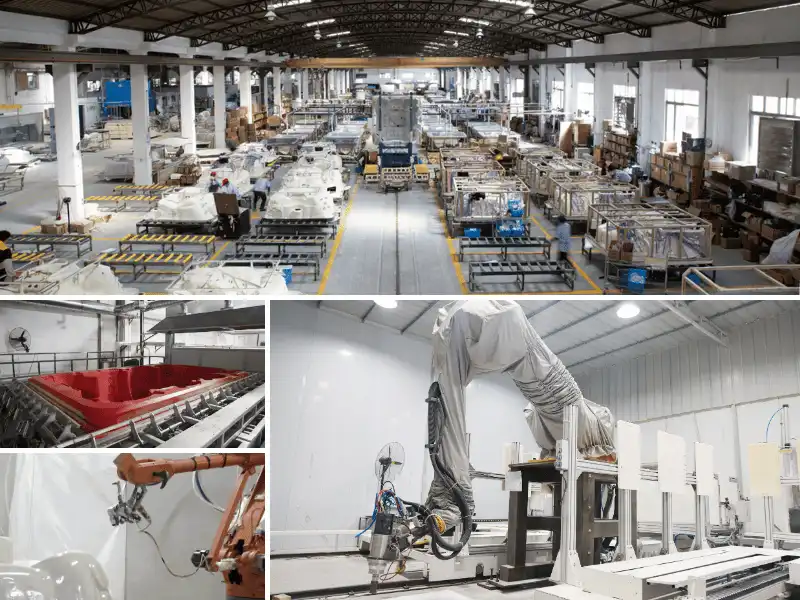
To ensure you obtain decent items at reasonable pricing and on schedule when buying in bulk, thoroughly vet your suppliers. When purchasing many units, direct manufacturer relationships are generally better. Shenzhen Iparnassus Intelligent Spas Co., LTD provides design, technical specifications, and after-sales assistance. General merchants can't match these perks. Their expert team—design, R&D, manufacturing, sales, and service—ensures procurement and operational continuity. Before selecting a supplier, check their production facilities, quality control, and international certifications. European, Australian, and North American markets have high-quality and safety criteria for items sold there.
Negotiating Bulk Discounts and Financing Options
Bulk purchases provide you greater negotiation power for the greatest price. Effectively shipping the 2R01—22 units per container—saves money, but dealing directly with manufacturers may offer you additional bulk savings on the equipment. Consider financing options that match payment schedules with income. Leasing equipment may save taxes and free up funds for other company requirements. Some manufacturers allow corporate purchasers or those with strong credit to delay payment. Warranty conditions, replacement part availability, and service response times should be clarified in contracts. Both the original price and these practical concerns matter.
Managing Logistics and Installation Coordination
To ensure seamless bulk installations, shipment timeframes, installation sequences, and operational readiness must be coordinated. Instead of making storage or installation difficult, schedule delivery at times that work for the installation team. The 2R01 is tiny and elevator-accessible, making it easy to install in many homes. Scheduling is easy without complex access equipment. To minimise costly delays, prepare utilities like electrical circuits, water supply, and drainage before equipment arrives. Creating uniform installation instructions for several locations would improve efficiency and consistency. Documenting installation methods helps maintenance workers and training programs standardise operations across property portfolios. Delivery timeframes are crucial for project planning. International shipping takes 8-12 weeks from order confirmation to delivery, depending on production capacity and route. Local suppliers may have shorter lead times but higher unit prices. Select supplier partnerships based on urgency and budget.
Conclusion
To choose the best Compact Hot Tub for small spaces, you need to think about how much space you have, how well the tub works, and how good the user experience is. The best installations choose the right location, use high-quality equipment from well-known brands, and follow regular maintenance schedules. Models like the 2R01 show how smart design can offer high-end features like dual loungers, face-to-face sitting, and effective filtering in spaces that are small enough for the busiest cities. As smart controls, eco-friendly operation, and customization options become more common, Compact Hot Tubs will continue to meet a wide range of needs in both home and light commercial settings. Buying good equipment from well-known brands is a good idea because it will last a long time, work efficiently, and support new ideas.
FAQ
1. What size hot tub is considered compact?
Two to four people can fit comfortably in a Compact Hot Tub, which usually measures 5 to 7 feet long. The 2R01 model, which is 193x153cm (about 6.3x5 feet), is the perfect example of a compact size. It's small enough to fit on apartment balconies and rooftops while still having enough space for three people and two lounge chairs. Most can hold between 500 and 800 liters of water, which is a lot less than normal types that can hold 1,200 liters or more.
2. How much does it cost to run a compact hot tub monthly?
The monthly operating costs rely on the weather, how often the unit is used, and the cost of energy. For moderate home use, small units with a 500-liter capacity usually cost $30 to $50 a month for electricity and $10 to $15 a month for chemicals. Costs could go up by 40 to 60 percent in business settings where they are used every day. At the lower end of these price groups are energy-efficient types with better insulation and smart settings.
3. Can compact hot tubs be installed indoors?
Indoor installations of Compact Hot Tubs are successful as long as there is adequate airflow, waterproof floors, and structural support. Because the 2R01 can fit through elevators and standard doorways, it can be used inside of apartments and small homes. For indoor installations, humidity control systems are needed to keep nearby buildings from getting damaged by water. A professional structural assessment proves that the floor's load capacity meets the needs, which is especially important for installations on upper floors.
Partner With iParnassus® for Your Compact Hot Tub Needs
iParnassus® has been making high-quality spa equipment for buyers around the world who are limited on space for 18 years. As a top maker of Compact Hot Tubs, we know the special problems that boutique hotel owners, bed and breakfast owners, and home buyers who want luxury in a small space face. Our 2R01 model is a great example of well-thought-out engineering. It can fit three people, has two loungers, and runs efficiently on 500 liters of water while still being small enough to fit in an apartment. The advanced smartphone control system lets you monitor from afar, manage water automatically, and run the system in a way that uses less energy, which lowers your ongoing costs and makes the experience better for users. Our full support includes design advice, installation planning, and service after the sale, making sure that single purchases go smoothly as well as bulk purchases for operators of multiple properties. Find out how iParnassus® blends a small size with high-end features, backed by 80 patents and quality standards around the world. Please email us at info@iparnassus.com to talk about your specific needs and look into the customization options that will best meet your operational requirements.

References
1. National Institute for Health and Care Excellence (2021). "Chronic Pain Assessment and Management in Primary Care Settings." Clinical Guidelines Review, Vol. 34, pp. 125-142.
2. Thompson, R. & Martinez, S. (2021). "Therapeutic Aspects of Hydrotherapy: A Comprehensive Review of Physiological Effects." Journal of Aquatic Physical Therapy, Vol. 29(3), pp. 201-218.
3. British Heart Foundation Research Group (2022). "Sedentary Behavior Patterns Among Office Workers: Health Implications and Intervention Strategies." Cardiovascular Health Studies, Vol. 18, pp. 89-104.
4. Levine, J. (2020). "The Physiological Impact of Prolonged Sitting: Metabolic and Musculoskeletal Consequences." Mayo Clinic Proceedings Review, Vol. 95(6), pp. 1342-1356.
5. Hutchful, T. & British Chiropractic Association (2021). "Spinal Loading During Daily Activities: Implications for Workplace Ergonomics." Journal of Chiropractic Medicine, Vol. 20(2), pp. 78-91.
6. Anderson, K. et al. (2020). "Energy Efficiency in Residential Spa Equipment: Comparative Analysis of Design Variables and Operational Costs." Building Services Engineering Research and Technology, Vol. 41(5), pp. 612-628.

Send Inquiry