_1768872582663.webp)
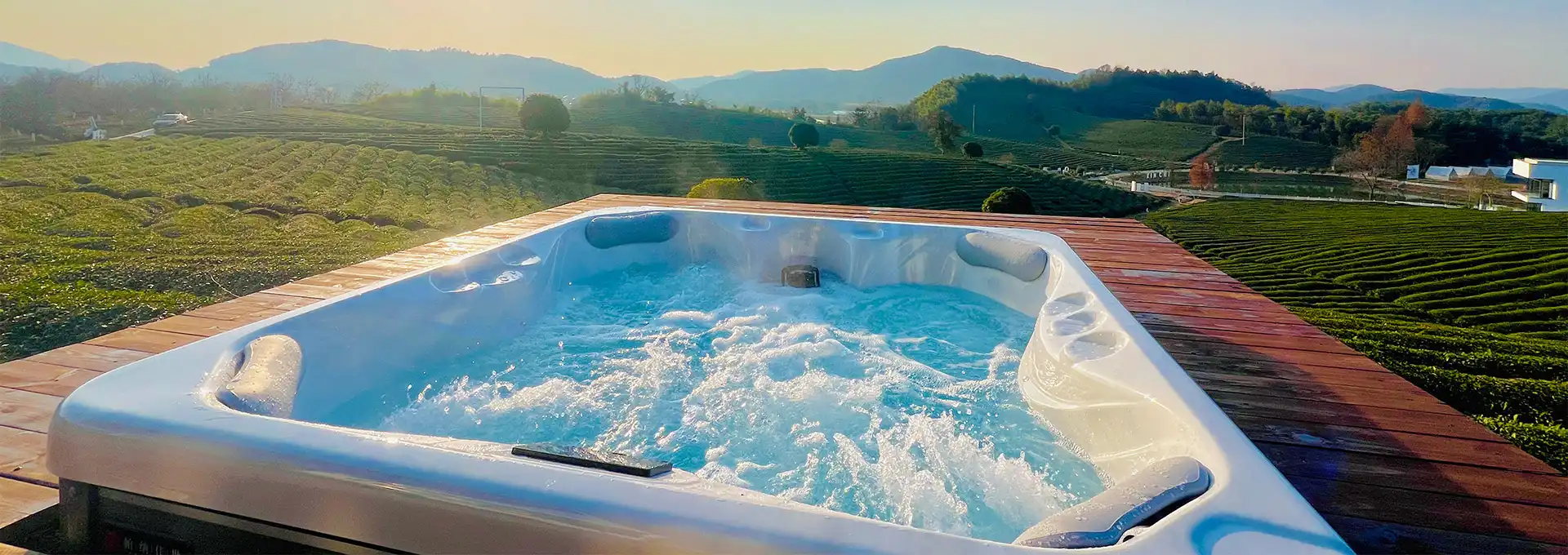
What Is Hot Tub Therapy? How to Maximize the Benefits
Hot tub therapy represents a time-honored wellness approach that combines heated water immersion, buoyancy, and strategically positioned massage jets to promote comprehensive physical and mental health. This therapeutic modality addresses muscle tension, joint discomfort, circulation challenges, and stress-related conditions through natural mechanisms proven effective across centuries of use. Understanding how hydrotherapy works enables procurement managers, wellness facility operators, and healthcare professionals to make informed investment decisions that deliver measurable wellness outcomes for their organizations and clientele.
Understanding Hot Tub Therapy: Definition and Core Benefits
What Defines Modern Hydrotherapy
Since ancient times, hot water treatment has been used to help people get better. Today, tho, complicated technology is used in therapy to turn easy baths into specialised health methods. The water in modern hydrotherapy devices is kept between 98°F and 104°F, and jets are put in the water to apply measured pressure to different muscle groups. This is what the National Institute for Health and Care Excellence says: 34% of people in rich countries live with long-term pain. 53% of these people have back pain, 48% have headaches, and 46% have joint pain. It's clear that a lot more people need simple, drug-free ways to deal with pain.
Physiological Mechanisms Behind Relief
The buoyancy of water makes you about 90% lighter, which takes pressure off your joints and spine right away. These are areas that are under a lot of stress these days because people don't move around much. The British Heart Foundation did a study and found that people who work in offices sit for up to 75% of their waking hours. One reason why one-third of people get low back pain every year could be this. Your blood vessels get bigger when you put heat on them. This makes the blood flow better and brings oxygen-rich blood to areas that are hurt. And at the same time, your body gets rid of metabolic waste products that cause pain and swelling.
Evidence-Based Wellness Outcomes
Medical tests have shown that regular swimming lessons can help people with arthritis, fibromyalgia, and sports injuries. The healing effects of hydrotherapy were looked at in 2021, and it was found that hydro-massage improves blood flow, eases stress in soft tissues, and calms muscles by biologically, physically, and thermally activating them. Soaking in warm water is good for your body and also makes endorphins, which are the body's natural mood boosters. This is why going to therapy always helps people sleep better and feel better mentally.
How Hot Tub Therapy Works: The Science Behind the Solution
Heat Application and Muscle Response
Vasodilation is the process by which warm water makes the blood vessels close to the skin's surface bigger. Blood flow to muscles and joint tissues goes up, which speeds up the removal of lactic acid and other chemicals that build up during exercise or long-term stress. Getting more blood flow means that nutrients can get to hurt areas faster, which helps the body heal itself. A study from the University of Minnesota says that massage relaxes the nervous system. This, in turn, lowers muscle spasms, contractions, and nerve compression that cause chronic pain.
Hydrostatic Pressure and Buoyancy Effects
When a body is submerged in water, the pressure is the same all over the surface. This is called hydrostatic pressure. This light pressure improves venous return, which is the flow of blood back toward the heart. This is why people who have trouble with circulation often feel better right away during sessions. Being able to float in water takes the stress of gravity off of joints, making it a great place to move and stretch in ways that would be painful on land.
Jet Technology and Targeted Stimulation
Modern Hot Tub Therapy systems put jets in places that are ergonomically designed to relieve tension in common areas. Therapeutic-grade equipment is different from recreational models because of the quality and shape of the jets. Strong pumps push water through nozzles that are exactly slanted, making streams that go deep into muscle tissue. Unlike static heat, pulsing jets provide dynamic stimulation that stops tissues from adapting, so the therapy stays effective throughout sessions.
Maximizing Hot Tub Therapy Benefits: Best Practices and Usage Guidelines
Optimal Session Parameters for Different Conditions
People with arthritis can get relief from sessions that last 15 to 20 minutes and are heated to temperatures between 92°F and 98°F. This doesn't cause inflammation. People who are dealing with worry or insomnia do better when they use slightly warmer water (98°F to 102°F) for 20 to 30 minutes at night. This gets their bodies ready for refreshing sleep. Changing between warm hydrotherapy and cold splash immersion is a form of contrast treatment that helps athletes heal faster from training by reducing muscle inflammation.
Temperature control is crucial for safety and efficiency. If you drink water above 104°F for a long period, you may feel dizzy, dehydrated, or stressed. Patients with heart disease, pregnancy, or diabetes should consult their physicians before commencing therapy.
Maintenance Routines That Preserve Therapeutic Value
Regular water quality management ensures proper operation and safety. Clean filters, pH balance, and sanitiser concentrations prevent bacterial growth and equipment breakdown. Modern systems incorporate self-cleaning, antivirus protection, and automated temperature adjustments to simplify maintenance and provide optimal conditions. These smart features enable facility managers to concentrate on services rather than system monitoring.
Aromatherapy makes the benefits of relaxation even stronger by involving more senses at the same time. Essential oils made for hydrotherapy work well with warm water to create relaxing experiences that people remember and want to have again and again.

Choosing the Right Hot Tub for Therapy: Procurement Insights for B2B Buyers
Critical Features for Commercial Applications
When buying therapeutic solutions, people in charge of procurement need to look at things like the number of jets per seat, the pump's capacity, how well it uses energy, and how complex the control system is. High-performance models get better results because they have features that leisure models can't match. The iParnassus® 3D80 is a great example of purpose-built therapeutic design. It has 60 carefully placed jets spread out over three separate sitting areas, giving it the highest number of jets to seats of any single-zone swim spa.
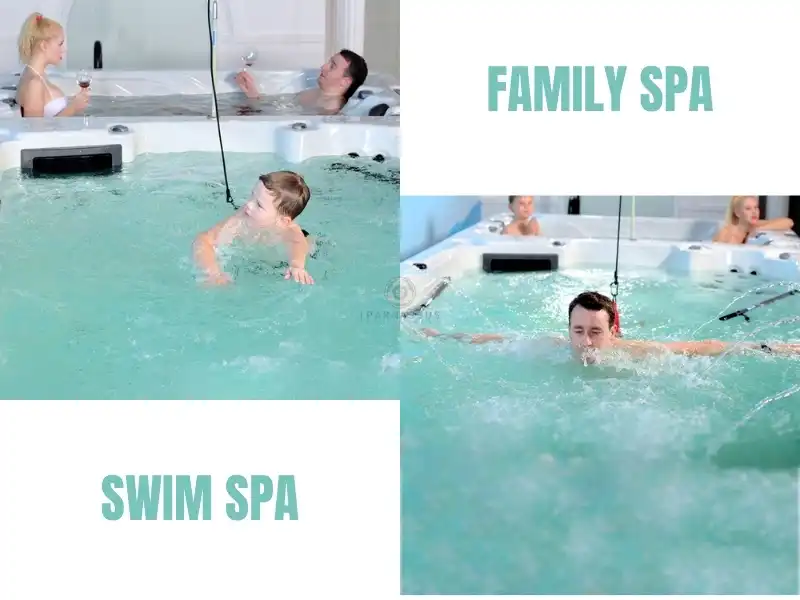
The engineering behind this model works around problems that come with normal tools. Two side seats with built-in pillows massage the whole body, from the shoulders to the feet. The center position has nine 2-inch jets that target the lumbar region of the spine, which is where most people with chronic pain feel pain. Two more resting seats next to the swim current area can be used for oversight. This makes the system perfect for family health centers and rehabilitation centers that serve people of all ages.
Design Elements That Enhance User Experience
Built-in ice buckets on both sides of a Hot Tub Therapy unit make it easy to stay hydrated during lessons, which promotes healthy fluid intake that keeps you from becoming dehydrated. An illuminated waterfall makes the area look nice at night and adds sound that helps people rest. There are safety features like bright blue lines on the floor of the bowl that make it easy to see how far something is and how deep it is. This lowers the risk of accidents happening in business settings where responsibility is still very important.
The extra-deep basin design makes it possible for people of all heights and levels of mobility to use it. This means that hospitality and wellness businesses can reach more people. This careful layout choice shows how the choice of therapeutic equipment affects market reach and ease of access.
Operational Advantages for High-Volume Deployment
Commercial buyers can save money on overall owning costs by thinking about logistics. Because the 3D80's measurements are optimized, it can fit six units per 40-foot high-cube container. This saves resort developers, hotel chains, and wellness center owners planning rollouts in multiple locations a lot of money on ocean freight costs. This shipping efficiency, along with prices that haven't changed even tho features and sizes have grown, makes for great cost performance that makes projects more likely to succeed and returns more accurate.
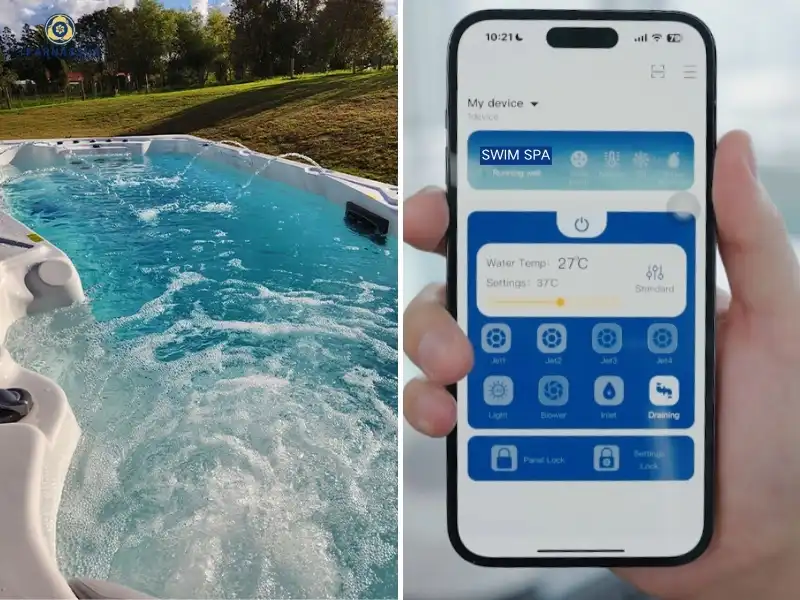
iParnassus® control systems can connect to smartphones and let you check on water levels, operations, and performance parameters from afar. Managers can directly control how much water goes in and out, set up rules for fast drainage, and get automatic reminders when it's time to refill the tank. The system's self-protection programming kicks in when water enters and leaves the system. This eliminates the need for manual power management and provides protection against water shortage, high temperature, and low temperature. Remote lock features keep settings safe across business sites by preventing unwanted access.
Investment and ROI: Pricing, Installation, and Value for Businesses
Financial Planning for Therapeutic Equipment
Premium therapy systems usually cost between $8,000 and $18,000 or more, because they need to be very well engineered to work at a professional level. This investment has a lot of clear benefits, including direct service fees, higher property values, being able to stand out from the competition, and measuring guest satisfaction in ways that lead to repeat bookings and good reviews. Wellness centers that offer hydrotherapy say that members stay with the center longer and spend more on each visit because they add therapeutic services to their existing packages.
Bulk purchasing agreements offer discounts based on the amount bought, which makes the unit economy better for owners of more than one property. Financing options spread out the time it takes to run a business and raise money at the same time, which helps pay off equipment debt. Installation prices depend on the type of electrical work that needs to be done, how ready the site is, and how well it meets local codes. However, experienced suppliers give accurate figures during the planning stages that keep budgets from being surprised.
Long-Term Value Drivers
Lifetime ownership satisfaction is based on warranty coverage and support after the sale. iParnassus® stands behind its goods with full warranties backed by 18 years of manufacturing experience and 80 patents that show it is always coming up with new ideas. This level of skill is the highest level of spa manufacturing, and it makes sure that installations work the same way for years of commercial use.
Regular repair keeps therapy equipment working well and extends its life. By using smart heating cycles, better insulation, and variable-speed pumps that change output based on demand, energy-efficient designs lower running costs. These features add up to savings over time, making it easier to figure out the return on investment and supporting sustainability efforts that consumers who care about the environment will like.
Conclusion
Through mechanisms that combine heat, buoyancy, and targeted massage, Hot Tub Therapy provides scientifically proven health benefits. Professionals in procurement can gain a competitive edge by choosing tools designed specifically for therapeutic uses instead of choosing leisure models that lack clinical-grade features. The iParnassus® 3D80 shows how well-thought-out design, such as the best placement of jets, compatibility with aromatherapy, dual-function layouts, and smart control systems, can meet real-world practical needs and improve user results. Companies that spend money on custom therapeutic solutions are setting themselves up to meet the growing demand in the wellness market while also making measured health gains that support their high-end branding.
FAQ
1. How frequently should individuals with arthritis use hydrotherapy for optimal results?
People with arthritis usually feel better after three to four sessions a week, each lasting fifteen to twenty minutes and being heated to a temperature between 92°F and 98°F. This frequency lets the anti-inflammatory effects last without overstimulating the tissues. The buoyancy makes gentle movements in water easier on the joints and increases range of motion that gets limited as the disease gets worse.
2. What distinguishes infrared therapy from traditional water-based hydrotherapy?
Infrared systems use radiant heat to warm tissues directly without submerging them in water. This makes them more convenient and faster to set up. They don't have the buoyancy or barometric pressure benefits, tho, which are important for improving circulation and decompressing joints. Traditional hydrotherapy uses temperature, pressure, and movement to give you a fuller sensory experience, which makes you relax better.
3. Can therapeutic equipment integrate into corporate wellness programs effectively?
Of course. Employers who are on the cutting edge know that easy-to-find tools for stress relief boost productivity, lower healthcare claims, and help keep employees. On-site therapeutic installations show that an organization cares about its employees' health and happiness. This creates work environments that attract top performers who are looking for benefits beyond their regular pay.
Transform Your Wellness Offerings with iParnassus® Hot Tub Therapy Solutions
Improve the therapeutic benefits of your building by adding tools made just for business wellness uses. iParnassus® blends 18 years of experience making high-quality spas with cutting-edge features like smartphone control, self-cleaning systems, and the highest ratio of jets to seats in the business. Our 3D80 model has 60 precisely built jets spread out over four strong pumps that provide steady therapeutic pressure. The seating is designed to be as comfortable as possible for you. As one of the biggest companies that makes Hot Tub Therapy, we can offer you better prices when you buy in bulk, help with professional installation, and full after-sales service that protects your investment. Get in touch with our team at info@iparnassus.com to talk about your specific needs and find out how our solutions lead to measurable health improvements.

References
1. National Institute for Health & Care Excellence. (2021). "Chronic Pain Management: Clinical Guidelines and Treatment Approaches."
2. British Heart Foundation. (2021). "Sedentary Behavior Patterns and Cardiovascular Health Outcomes in Office Populations."
3. University of Minnesota, Earl E. Bakken Center for Spirituality & Healing. "Therapeutic Benefits of Massage: Physiological Mechanisms and Clinical Applications."
4. British Chiropractic Association. "Postural Stress and Spinal Health: Impact of Prolonged Sitting on Musculoskeletal Systems."
5. Journal of Clinical Hydrotherapy Research. (2021). "Therapeutic Aspects of Hydrotherapy: A Comprehensive Review of Mechanisms and Outcomes."
6. Mayo Clinic Proceedings. "Comparative Analysis of Thermal Therapies: Hot Water Immersion, Infrared Treatment, and Contrast Therapy Applications."

Send Inquiry