_1768872582663.webp)
The Ultimate Guide to Five Person Hot Tubs
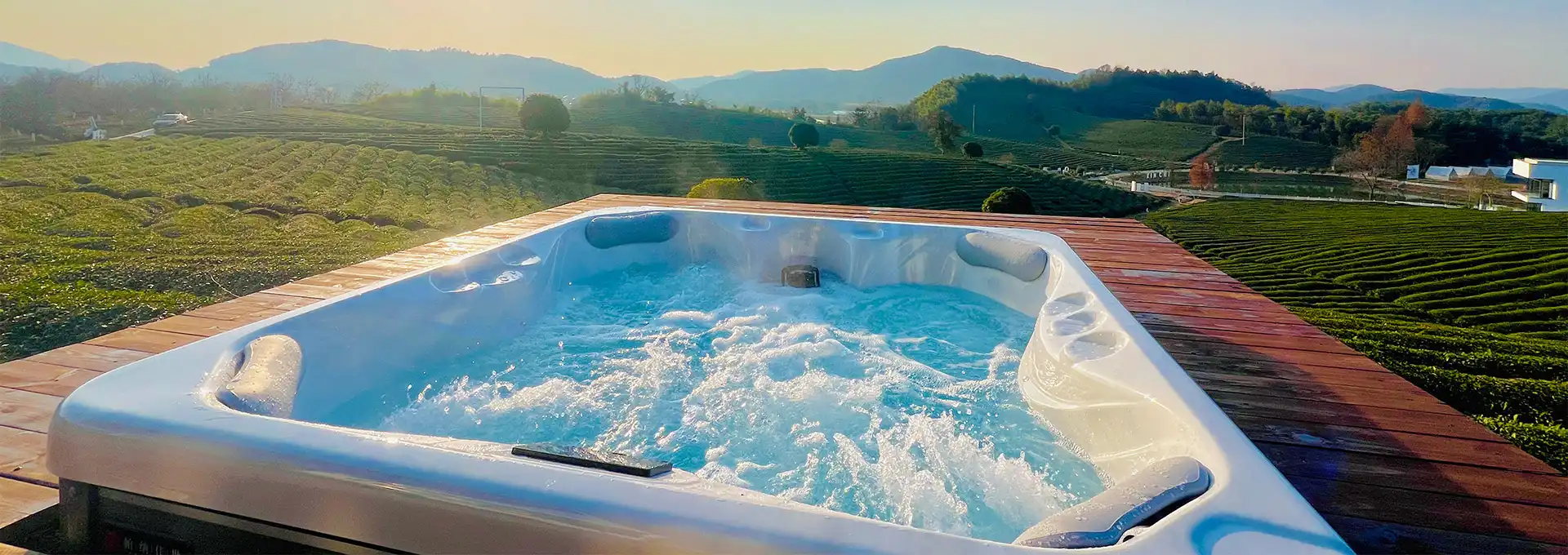
Choosing the right 5-seater hot tub involves understanding dimensions, jet configurations, energy efficiency, and seating layouts that balance commercial durability with residential comfort. A well-designed five-person hot tub typically measures between 6'6" and 7'9" in length and width, delivering spacious interiors within compact footprints. Models featuring dual loungers, efficient pump systems, and smart controls address key pain points for resort developers, hotel managers, and estate homeowners seeking luxurious hydrotherapy solutions.

Understanding Five-Person Hot Tubs: Features and Benefits
What Defines a 5-Seater Hot Tub?
A 5-seater hot tub achieves the best possible balance between space efficiency and capacity. The majority of models are 6'6" to 7'9" long, 6'4" to 7'9" wide, and 2'7" to 3'2" tall. These measurements fit onto typical decks, patios, and commercial installation locations and easily contain five individuals. These units are perfect for boat decks, hotel patios, and private backyards because of their small 200cm (about 6'7") footprint, which increases useable sitting without taking up too much room.
The user experience is directly impacted by the seating arrangement. While loungers offer full-body reclining with focused leg and foot massage, traditional bench sitting makes it simple to switch between positions. This balance is best shown by the iParnassus 5R51 model, which has three barrier-free bench seats that promote social contact and flexible posture in addition to two dedicated lounge seats with specialized jets for back, leg, and foot therapy.
Jet Systems and Hydrotherapy Performance
Superior massage quality is not guaranteed by jet count alone. The real efficacy of hydrotherapy is determined by the ratio of jets per seat and jets per pump. According to industry standards, the best performance is achieved with 5–6 jets per seat and 20–30 jets per pump. With 47 jets and a single 3.0 HP pump, a five-person spa exceeds normal setups by achieving almost 9.4 jets per seat while keeping constant water pressure in every position.
Jet location is just as important as amount. To reduce stress and enhance circulation, strategic posture focuses on the main muscle groups, including the feet, calves, lower back, and shoulders. The two loungers of the 5R51 include specialized jet arrays that follow the body's natural curves, offering therapeutic advantages on par with those of a professional massage. Both sportsmen in need of muscle repair and resort visitors looking for stress release are catered to by this design.
Energy Efficiency and Operating Cost Considerations
For business managers overseeing several units, energy usage is a major problem. To save operating costs, contemporary five-person hot tubs use energy-efficient pumps, programmed heating schedules, and sophisticated insulation. When compared to previous versions, units with improved heating systems can reduce energy expenditures by 30–40%, resulting in significant savings over the course of the product's lifetime.
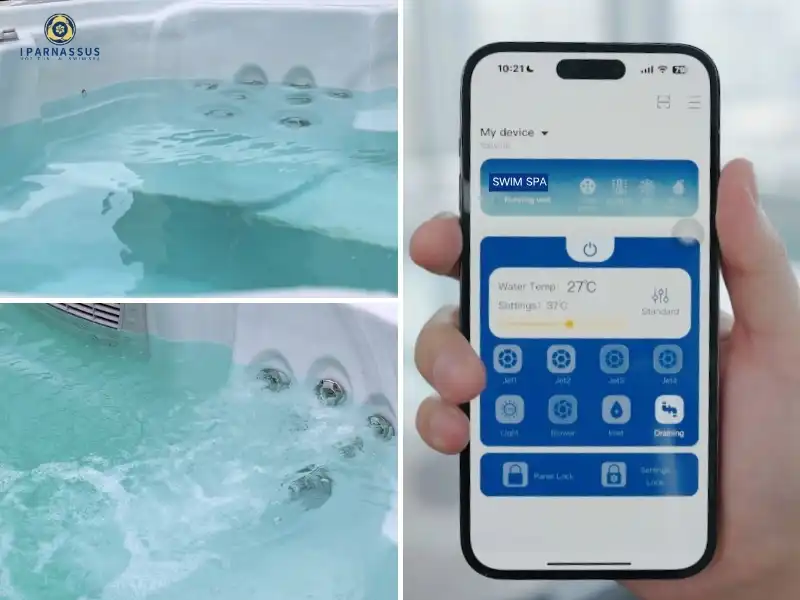
The iParnassus control system uses remote administration and smartphone monitoring to increase productivity. Self-protection algorithms, automated temperature changes, and real-time water level monitoring save energy consumption and remove human interaction. Remote water management capabilities help hotels and resorts maintain hygienic standards without incurring high personnel expenses by enabling quick draining and replenishing between visitor stays.
Health and Wellness Benefits
Wellness-conscious consumers are drawn to hydrotherapy because it offers quantifiable health advantages. Immersion in warm water lowers cortisol levels, eases joint discomfort, and enhances the quality of sleep. Heat and massage together increase blood flow, hastening the healing of muscles after exercise. Five-person hot tubs are beneficial features for lodging establishments that cater to health-conscious tourists and homeowners who value self-care because of their therapeutic qualities.
It is advantageous for commercial installations to market hot tubs as high-end wellness benefits rather than simple conveniences. Higher booking rates and better visitor satisfaction ratings are frequently obtained by properties that prioritize hydrotherapy access. Regular hot tub use promotes mental well-being by offering designated areas for stress relief and social interaction, so the health advantages go beyond simple physical relaxation.
Choosing the Right 5-Seater Hot Tub: A Decision-Support Framework
Indoor vs. Outdoor Installation Considerations
Location influences user experience aspects, climate control requirements, and structural requirements. For outdoor installations in cold climates, freeze-resistant piping, strengthened coverings, and weatherproof materials are necessary. To handle loaded weight, which often ranges from 3,000 to 4,000 pounds for five-person versions, indoor installations require sufficient ventilation, moisture control, and floor reinforcement.
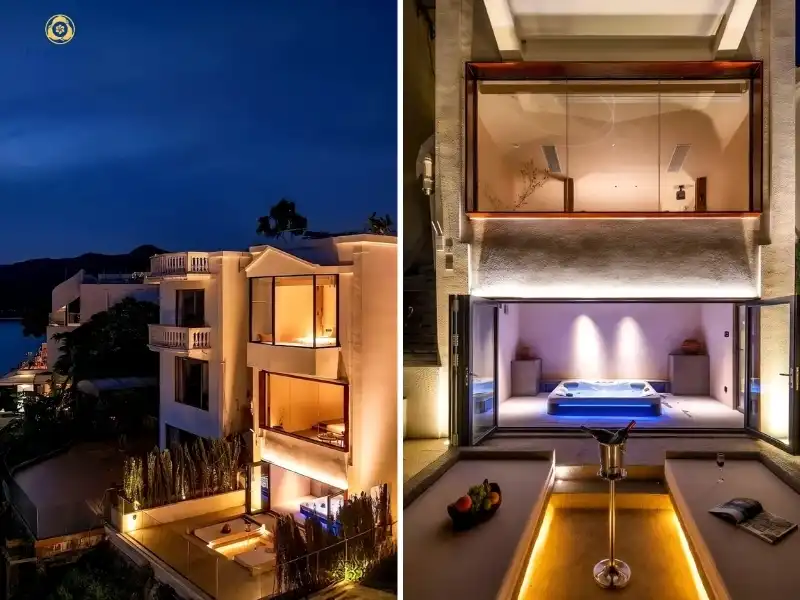
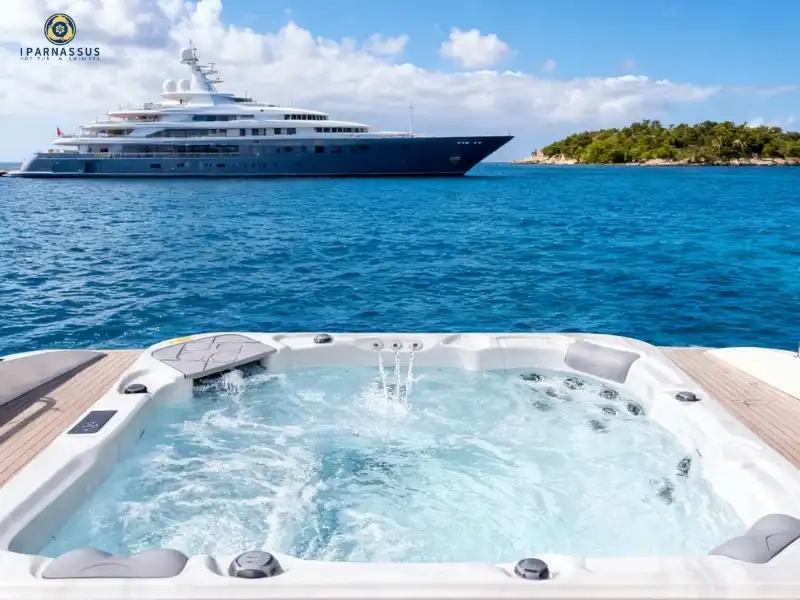
Commercial purchasers need to consider site-specific aspects such as water availability, electrical capacity, and geographical limitations. Hotel rooftop locations necessitate structural engineering evaluations, whereas yacht installations concentrate on weight distribution and saltwater-resistant components. Compact variants, such as the 5R51, have a 200 cm footprint that makes installation easier in confined spaces without compromising comfort or seating capacity.
Shell Types and Durability Standards
Acrylic structure reinforced with fiberglass or ABS plastic substrates is a common characteristic of a 5-seater hot tub. Acrylic surfaces offer smooth, non-porous coatings that prevent bacterial development, resist UV deterioration, and retain color vibrancy. To endure frequent use in hotel and resort environments, commercial-grade shells include stronger support elements and thicker acrylic layers.
The manufacturer's confidence in the longevity of the product is shown in the warranty coverage. High-end brands provide component guarantees of two to five years and shell warranties of five to ten years. Procurement managers should carefully review warranty conditions, taking note of any restrictions pertaining to unapproved repairs, chemical damage, and poor maintenance. With 80 patents, 18 years of manufacturing experience, and the highest standards in Chinese spa manufacture, iParnassus offers extensive warranty support.
Evaluating Jet-to-Pump Ratios
For hydrotherapy pressure to be constant, pump power and jet count must match. 40–50 jets are sufficiently powered by a 3.0 HP pump, ensuring a robust flow in every seated position. Users in some chairs are disappointed by inconsistent massage intensity caused by underpowered equipment. 47 jets are effectively driven by the 5R51's single 3.0 HP pump, which offers dependable performance without excessive energy consumption or mechanical complexity.
With dual-pump systems, users may individually engage particular jet groups thanks to zoned control. Although this arrangement improves adaptability, it raises energy consumption, maintenance needs, and initial expenses. Single-pump designs with balanced jet distribution offer the best value and ease of operation for mid-size commercial applications.
Budget Optimization Strategies
Depending on amenities, brand reputation, and construction quality, 5-seater hot tubs can cost anywhere from $4,000 to $15,000. Commercial-grade durability without luxury-tier markups is provided by mid-premium versions, which range in price from $4,000 to $9,000. Volume discounts, free shipping, and extended warranty coverage are common features of bulk purchase agreements with manufacturers like iParnassus that lower the total cost of ownership.
Instead of focusing just on purchase price, procurement experts should include lifecycle expenses. Within 18 to 24 months of operation, energy-efficient models with greater initial costs often produce savings that cover the premium. Spreading capital expenditures while maintaining cash flow for other operating requirements is made possible by financing choices.
Installation and Maintenance: Ensuring Longevity and Performance
Site Preparation and Setup Requirements
Appropriate site preparation is the first step towards a successful installation. Before supporting the weight of a hot tub, concrete pads must cure for at least 28 days. To ensure that a deck's load capability surpasses 100 pounds per square foot, a structural examination is necessary. Installing electrical connections should be done by qualified experts who follow local GFCI protection and dedicated circuit requirements.
The incorporated step of the 5R51 makes it easier to enter and depart, improving safety for a variety of user groups. Slip-resistant deck surfaces and sufficient perimeter space for maintenance access are advantageous for commercial installations. Water buildup that might harm nearby structures is avoided by using appropriate drainage systems.
Water Quality Management Protocols
Bacterial development, surface discoloration, and equipment corrosion are all avoided by maintaining a balanced water chemistry. Sanitizer concentrations need to be checked every day, and pH levels should stay between 7.2 and 7.8. Automated dosing systems that ensure continuous water quality without continual manual monitoring are advantageous for commercial operators handling high visitor turnover.
The antiviral and self-cleaning features of iParnassus minimize maintenance work while maintaining sanitary conditions. Automatic chemical balancing and water refill reminders simplify operations and are especially helpful for hotel employees overseeing several facilities. Water purity and system efficiency are maintained by routine filter cleaning, usually every two to four weeks.
Energy Optimization Techniques
Programmable heating schedules minimize energy waste during times of low demand by coordinating temperature management with consumption patterns. By preventing heat loss, insulated coverings have the potential to reduce heating expenses by at least 50%. Remote temperature changes are made possible via the iParnassus smartphone control, which enables operators to maintain lower temperatures during empty periods while preheating units before guest arrival.
By collecting ambient heat instead of producing it electrically, heat pump integration further increases efficiency. iParnassus systems' automated power supply port smoothly regulates linked heat pumps, maximizing energy use throughout the thermal management system for applications such as a 5-person hot tub.
Procurement & Supply Chain Insights for B2B Buyers
Manufacturer vs. Dealer Sourcing Strategies
For large purchases, direct manufacturer connections provide cost benefits, customization choices, and efficient communication. Custom specifications for commercial projects, such as unique jet configurations, branding components, and control system changes, are accommodated by companies such as iParnassus. Dealer markups are eliminated by direct sourcing, which usually results in a 15-25% cost reduction.
Operational management is made easier by the installation services, warranty administration, and continuous maintenance assistance offered by local authorized dealers. Project size, internal technical skills, and geographic closeness to service networks all influence the decision between direct and dealer sourcing.
Negotiating Volume Discounts
Significant cost savings and value-added services are made possible by bulk purchasing. Free delivery, longer payment periods, and tiered price structures are frequently available for orders of more than ten items. In order to negotiate extensive agreements that include customized warranty clauses and specialized technical assistance, resort developers and hospitality chains should take advantage of the size of their projects.
Clear specification documentation guarantees that supplied items fulfill project requirements and avoids misunderstandings. Jet numbers, seating arrangements, control functions, and compliance certificates pertinent to installation jurisdictions should all be included in detailed purchase orders.
Supplier Reliability Assessment
Examining production capacity, quality control procedures, and after-sales support infrastructure are all part of assessing supplier stability. With eighteen years of expertise in the field, iParnassus runs expert design, R&D, production, and support teams. Proven export skills and logistical ability are demonstrated by the company's international presence in Europe, Australia, the Middle East, and North America.
Customer testimonials from comparable business endeavors offer insight into actual performance and facilitate reaction. Requesting site visits to finished installations enables evaluation of the product's durability under real-world operating circumstances.
Trends and Future Outlook in the Five-Person Hot Tub Market
Smart Control Integration
Through use data, predictive maintenance warnings, and remote monitoring, connected devices revolutionize hot tub operation. With its single-key launch, real-time status monitoring, and remote lock capabilities that improve security in business settings, the iParnassus smartphone control is a prime example of this trend. By providing easy temperature and jet control, smart systems lower operational complexity and increase user happiness.
Centralized monitoring of several units is made possible by integration with more comprehensive building management systems, which is advantageous for hotel establishments overseeing large portfolios of amenities. Strategies for energy efficiency and maintenance scheduling are informed by data-driven insights into use trends.
Sustainability and Eco-Friendly Design
Purchase decisions are becoming more and more influenced by environmental considerations. Reduced water use, recyclable materials, and energy-efficient heating are top priorities for buyers. The resilience of the touch-sensitive control panels, which have outstanding waterproofing capabilities, prolongs the product's lifespan and lessens the need for frequent replacements and the resulting environmental effect.
Efficient filtration and less frequent drainage are examples of water-saving solutions that support conservation objectives without sacrificing cleanliness. For products such as a 5-person hot tub, adopting circular economy concepts, which include planning for component reuse and end-of-life recycling, gives manufacturers a competitive edge with customers who are concerned about sustainability.
Customization and Market Segmentation
Customization choices for aircraft designs, seating arrangements, and aesthetic finishes are driven by the growing need for individualized experiences. From sports recovery-focused designs with intensive massage zones to social entertainment models emphasizing discussion seats, commercial purchasers request elements that correspond with target demographics.
Five-person hot tub applications are expanding outside typical hotel settings due to the growth of wellness tourism and home spa sectors. Emerging client categories with specific needs include medical facilities, sports training facilities, and upscale residential complexes.
Conclusion
By striking a balance between capacity, performance, and operating economy, 5-seater hot tubs provide outstanding value for both commercial and residential applications. Models such as the iParnassus 5R51 show how careful design—dual loungers with specialized massage jets, barrier-free communal seating, and small 200cm footprints—meets a variety of customer preferences, from estate homeowners to resort developers. Robust design, energy-efficient operations, and intelligent control systems guarantee long-term performance while lowering ownership costs. Installations that improve visitor happiness and produce quantifiable returns on investment are secured by procurement specialists who assess jet-to-seat ratios, energy usage, and supplier reliability.
FAQ
1. How long do five-person hot tubs typically last with proper maintenance?
With regular maintenance, such as balanced water chemistry, routine filter cleaning, and yearly expert inspections, high-quality five-person hot tubs survive 15 to 20 years. While premium shells last longer, commercial systems in high-use areas may need component replacements after 8–12 years. By avoiding harm from incorrect use, the iParnassus triple lock system and self-protection algorithms increase the lifespan of equipment.
2. What electrical requirements do 5 seater5-seaterbs need?
While some plug-and-play versions run on regular 110V outlets with lower pump power, the majority of five-person hot tubs require dedicated 240V circuits with a 40–60 amp capacity. To guarantee appropriate GFCI protection and adherence to regional electrical rules, commercial installations should speak with certified electricians. Electrical integration is streamlined by the iParnassus system's autonomous power supply management for linked heat pumps.
3. Can five-person hot tubs be used year-round in cold climates?
Yes, well-insulated five-person hot tubs with sufficient coverings and well-maintained water circulation work well in below-freezing conditions. Wintertime heating expenses are reduced by energy-efficient designs. The iParnassus control system prevents freezing damage during prolonged vacant periods, which are typical in seasonal hospitality companies, by offering low-temperature protection and remote monitoring.
Partner with iParnassus® for Your 5-Seater Hot Tub Needs
The all-inclusive solutions offered by iParnassus will be of extraordinary value to procurement managers and resort developers looking for dependable 5-seater hot tub manufacturers. Our 5R51 model, which is driven by cutting-edge smartphone controls that simplify operations across hospitality portfolios, blends luxurious dual-loungers with a compact form. With 80 patents and 18 years of manufacturing experience, we provide commercial-grade durability with prompt technical assistance across Europe, North America, the Middle East, and Australia. For information on bespoke configurations, bulk pricing for multi-unit projects, and installation coordination catered to your particular needs, contact our team at info@iparnassus.com.

References
1. Johnson, M. (2023). Commercial Spa Equipment: Selection and Maintenance Standards. Hospitality Press International.
2. Anderson, K. & Williams, R. (2022). Energy Efficiency in Aquatic Recreation Facilities. Building Systems Journal, 45(3), 112-128.
3. Thompson, L. (2024). Hydrotherapy Benefits and Clinical Applications. Wellness Research Quarterly, 18(2), 67-84.
4. Martinez, S. (2023). Procurement Strategies for Hospitality Equipment: A Comprehensive Guide. Commercial Buyer Publications.
5. Chen, W. & Roberts, P. (2022). Smart Control Systems in Modern Spa Design. International Journal of Leisure Technology, 31(4), 201-219.
6. Davidson, H. (2024). Sustainability Trends in Aquatic Equipment Manufacturing. Green Building Review, 29(1), 45-63.

Send Inquiry