_1768872582663.webp)
Understanding Hot Tub Therapy: Health Benefits
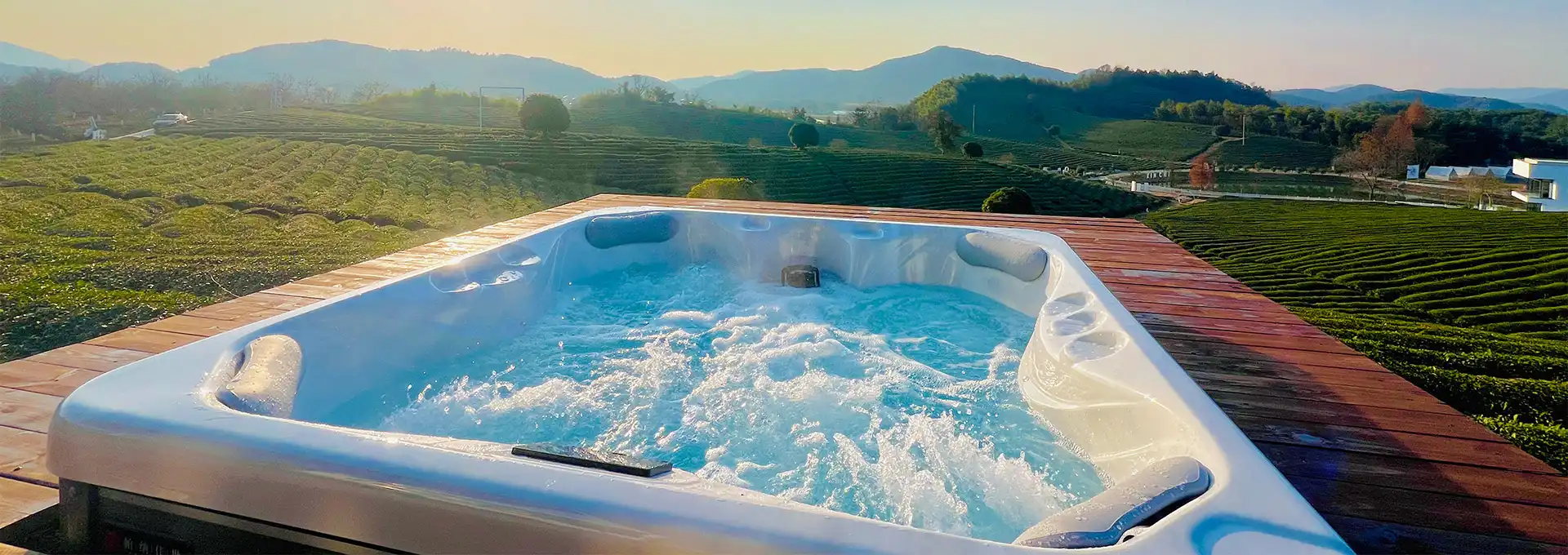
Hot Tub Therapy represents a powerful wellness approach that combines warm water immersion with targeted hydrotherapy to address a spectrum of physical and mental health challenges. For hospitality operators, resort developers, and wellness practitioners, understanding the therapeutic capabilities of modern hot tubs is essential when making procurement decisions. The integration of advanced jet systems, aromatherapy capabilities, and smart management features transforms traditional relaxation equipment into sophisticated therapeutic tools. Today's commercial-grade hydrotherapy solutions deliver measurable health outcomes while meeting the operational demands of hotels, vacation rentals, physical therapy clinics, and luxury residential installations. This comprehensive guide explores evidence-based health benefits and strategic procurement considerations for organizations seeking to enhance their wellness offerings.

What Is Hot Tub Therapy? A Comprehensive Overview
The Science Behind Hydrotherapy
By combining three therapeutic elements—warm water immersion, buoyancy, and targeted massage—Hot Tub Therapy builds on the basic ideas of hydrotherapy. Several physiological responses happen at the same time when the body enters water that is heated between 98°F and 104°F. When blood vessels widen, more blood flows through the body. The nervous system moves toward a parasympathetic state, which helps the body rest and heal. Similarly, floating lowers body weight by about 90%, which makes joints, the spine, and other weight-bearing systems less stressed.
How Modern Jet Systems Deliver Therapeutic Results
Modern hot tubs have jets that are placed in specific ways to apply exact pressure to muscle groups. The effect of the mechanical massage is to relieve stress, speed up blood flow, and release endorphins. With 60 jets spread out over three different sitting areas, the 3D80 model from iParnassus® is a great example of this therapeutic method. The two side seats have built-in pillows that massage your whole body, from your shoulders to your feet. The nine 2-inch jets in the middle seat rub your back. This setup has the highest jet-to-seat ratio (20:1) in its class, which makes sure that therapeutic applications are fully covered.
Physiological Mechanisms at Work
Being in warm water makes the nervous system respond more strongly. The heat goes deep into soft tissues, which relaxes muscles and makes them more flexible. At the same time, hydrostatic pressure helps the heart work by slowly pushing down on the body, which helps blood return to the heart. These processes work together to make hydrotherapy very useful for rehabilitation, managing chronic pain, and lowering stress in both clinical and hospitality situations.
Key Health Benefits of Hot Tub Therapy
Musculoskeletal Relief and Pain Management
Hydrotherapy has been shown over and over again to help with a number of joint problems. The National Institute for Health and Care Excellence says that 34% of people have chronic pain. Back pain, headaches, and joint pain are the most common types of pain. Immersion in warm water and jet massage can help with these problems by reducing swelling, increasing range of motion, and easing muscle tension.
The healing power is especially clear for people with arthritis. Heat makes joints more flexible, and buoyancy eases stress on hurt areas. A study from 2021 on the therapeutic aspects of hydrotherapy proved that hydro-massage increases blood flow and circulation, which directly eases pain in muscles and soft tissues. The fact that office workers spend 75% of their waking hours sitting down puts a lot of pressure on the spine. Hot Tub Therapy helps by releasing pressure on the discs and reducing pain in the lower back.
Mental Health and Stress Reduction
In addition to helping your body, hydrotherapy is also very good for your mental health. The warm water provides a physical experience that lowers cortisol levels and raises endorphin levels. Regular lessons are good for dealing with stress, worry, and high blood pressure. When your body temperature drops after a session, it tells your brain to start sleep cycles. This makes your sleep better.
Hydrotherapy gives you a chance to relax your mind in a way that modern life doesn't usually allow. Users enter a restful state where the body can heal and recover from low energy when they don't have to worry about phones, meetings, or tasks. This relaxation response is useful in hotel settings where happy guests are closely linked to experiences that relieve stress and make people feel refreshed.
Cardiovascular and Circulatory Benefits
Immersion in warm water helps the heart and lungs work better by improving blood flow and oxygenation. The heat makes the blood vessels widen, which lowers blood pressure and makes it easier for oxygen to get to all parts of the body. The hydraulic pressure helps the veins return blood, which keeps the heart working without having to do a lot of hard exercise. Because of these benefits, hydrotherapy is good for many people. However, people with heart problems should talk to their doctors before starting regular lessons.

Comparing Hot Tub Therapy with Alternative Treatments
Heat Versus Cold Therapy Applications
In health and recovery plans, heat therapy and cold treatment work hand-in-hand. Heat treatment is great for people with chronic pain, stiffness, and stress because it relaxes muscles, makes them more flexible, and improves circulation. Cold treatment lowers swelling, dulls sharp pain, and speeds up the healing process after an injury. Hot Tub Therapy solutions from iParnassus® meet both needs, with hot tubs for healing warmth and cold plunge tubs for athletes who need to reduce muscle soreness and speed up recovery.
Advantages Over Traditional Massage and Sauna
Massage and bath each have their own benefits, but hydrotherapy is different. A professional massage applies targeted pressure, but you have to make an appointment and pay a lot of money every month. Sauna therapy helps the body get rid of toxins by making you sweat, but it doesn't have the buoyancy or focused rubbing that jets do. These benefits come together in hydrotherapy: the heat and mechanical massage are like being in a sauna, and they are just as good for you as getting a professional massage. The floating part is still only used in water-based treatments.
Permanent Versus Inflatable Options for Commercial Use
For B2B buyers, the options are between fixed installs and inflatable ones. Permanent hot tubs are more durable, have more modern jet systems, and look more professional, which is important for business settings. This is shown by the 3D80 swim spa, which has an extra-deep bowl that can fit people of all ages, built-in ice buckets for ease of use, and a lit waterfall for aesthetic appeal. The bright blue lines on the floor show how far apart the seats should be for safety reasons. Inflatable models can't copy these features. Procurement teams care about how efficiently goods are shipped. One 40HQ container can hold up to six 3D80 units, which makes ocean freight costs much lower for buyers from other countries.
Procurement Insights: Choosing the Right Hot Tub Therapy Solutions
Critical Evaluation Factors for B2B Buyers
To choose the best Hot Tub Therapy equipment, you need to look at its therapeutic functions, build quality, upkeep needs, and operational features. For business use, the build quality needs to be strong enough to last through constant use. The way the jets are arranged directly affects how well the therapy works; more jets and smart placement cover all muscles. The 3D80's 60-jet system improves hydrotherapy experiences by having different setups for each seating position, which can accommodate a wide range of user interests at the same time.
Size is more than just a matter of capacity. The 3D80 has two massage seats and a swim zone, so it can be used for two different things at the same time. This is an important feature for spas and hotels that have a lot of guests. The two seats next to the swim current area with extra jets can be used for a variety of activities, and the designated viewing area lets parents keep an eye on their kids safely.
Advanced Features That Enhance Commercial Value
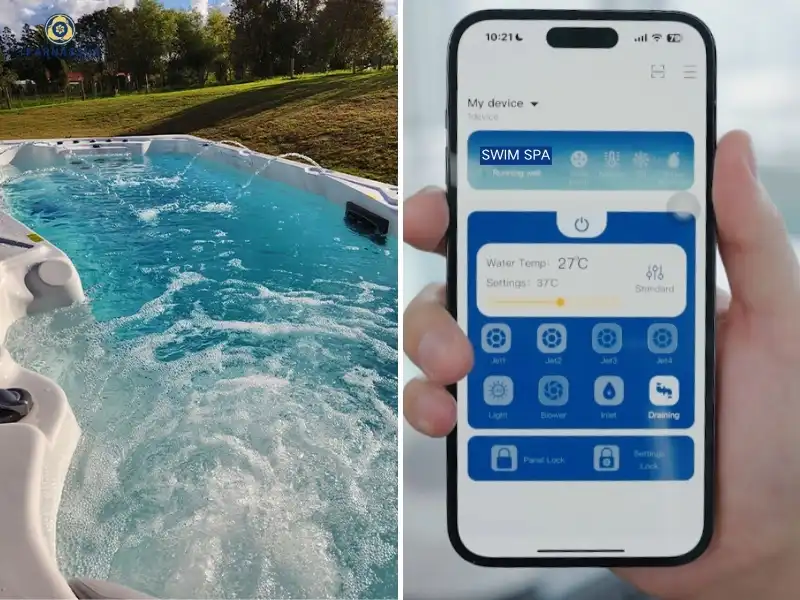
Smart technology that makes control easier is built into modern business hot tubs. The iParnassus® control system lets you start and monitor equipment from your smartphone, as well as track water levels in real time and manage water from afar. The automatic self-protection program turns on when you enter or leave the water, so you don't have to handle the power yourself. Protection against low water, high temperature, and high humidity keeps devices from getting damaged. For commercial settings where controlling entry is important, the one-key remote lock feature offers safety.
The option to use aromatherapy is a trait that sets premium installations apart. This goes above and beyond what is normally available to make the relaxation experience better. It creates memorable moments for guests that lead to good reviews and repeat bookings. Adding Bluetooth sound systems, LED lighting, and waterfalls to functional equipment turns it into a fully immersive wellness experience.
Supplier Evaluation and After-Sales Considerations
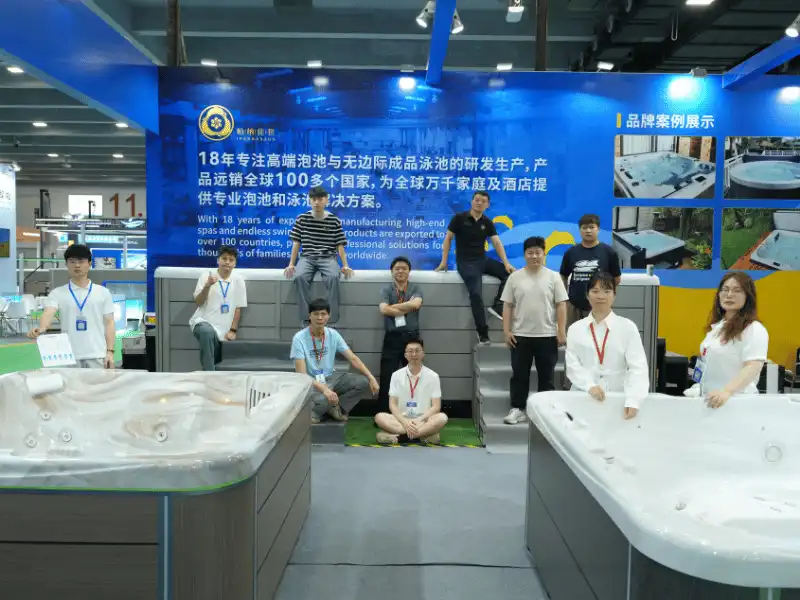
Buying from well-known companies guarantees that the products will work and get help when you need it. Because it has been making spas for 18 years and has more than 80 patents, iParnassus® is the best at what it does. The business has a skilled staff that works on creation, R&D, production, sales, and service after the sale. This all-around support system is very important for business buyers who need help with installation, teaching on how to do upkeep, and quick technical support.
Procurement teams care more and more about warranty terms and environmentally friendly product choices. The upgraded accessories and overall structure of the 3D80 make it a great value, even though its size and number of jets have grown. This value proposition helps with budgeting and guarantees long-term dependability for commercial deployments in places like vacation rentals, wellness centers, hotels, and resorts.
Best Practices and Usage Guidelines for Effective Hot Tub Therapy
Optimal Temperature and Session Duration
The temperature of the water should be between 98°F and 104°F, but temperatures around 102°F are best for most medicinal uses. The length of a session depends on the condition and the user's tolerance, but 15 to 20 minutes is usually enough to help with therapy without being too much. People with arthritis may feel better after longer sessions at moderate temperatures. People who are trying to relax usually need shorter sessions at slightly higher temperatures.
Frequency and Timing Recommendations
Regular use gets the most healing benefits. Three to four times a week is enough to get long-term pain relief and stress release. When you do, it affects your results: sessions in the evening help you sleep better, and sessions in the middle of the day break up long periods of sitting at work. Hot Tub Therapy models from iParnassus® have features like self-cleaning, antivirus, and temperature control that keep equipment ready to use without a lot of setup, which supports regular use patterns.
Safety Protocols for Commercial Settings
Commercial operators need to set clear rules for safety. Maximum occupancy limits keep places from getting too crowded. Limits on age and the need for adult care protect younger users. The careful structure of the 3D80, which includes places for parents to watch, makes it safe for the whole family to use. Heat-related problems can be avoided by checking the temperature before entering. The touch-sensitive control panel is waterproof and durable enough to be used in business settings. The automatic water-refill reminders make maintenance chores easier.
Pregnancy, heart problems without a doctor's permission, and open cuts are all reasons not to use it. Proper use is ensured by posted rules and staff training. The remote monitoring features let staff keep an eye on how things are running and fix problems quickly, which helps keep safety standards high across multiple units in a hotel or resort.
Conclusion
By combining the effects of warm water, buoyancy, and focused massage, Hot Tub Therapy provides evidence-based health benefits that address physical pain, mental stress, and general happiness. By adding modern hydrotherapy solutions that meet guests' growing demands for wellness services, commercial buyers gain a competitive edge. As part of the procurement process, jet configurations, smart management features, build quality, and the abilities of the supplier must all be considered. Through 60 carefully placed jets, dual-function layouts, and commercial-grade features, models like the 3D80 show how thoughtful engineering can create healing value. When businesses buy high-quality hydrotherapy equipment, they set themselves up to provide memorable health experiences while also improving operating efficiency through smart controls and reliable performance.
FAQ
1. What conditions respond best to hydrotherapy treatment?
Hot Tub Therapy is a good way to treat long-term pain conditions like arthritis, back pain, fibromyalgia, and tension headaches. It's also good for your mental health because it lowers stress, worry, and sleep problems. If you have soft tissue injuries, better circulation and less pain can help you recover. People who are worried about their heart health should talk to a doctor before starting regular sessions.
2. How do I select a hot tub suitable for commercial applications?
Commercial buyers should put capacity, smart management features, build quality, and the number and configuration of jets at the top of their list. Massage coverage is shown by the jet-to-seat ratio. The 3D80's 20:1 ratio makes sure that therapy delivery is complete. Dual-function designs can meet the needs of a wide range of users at the same time. Integration of the hotel's central management makes work easier across many departments. Long-term dependability is ensured by warranty terms and infrastructure for provider support.
3. Are there safety concerns with regular hydrotherapy use?
Most people can safely use hydrotherapy as long as they follow the right steps. Keep the water at the right temperature, limit the length of your session, and follow proper cleanliness rules. Use only with a doctor's permission if you are pregnant, have heart problems, or have open cuts. Modern systems have automated safety features that keep them safe from problems like high or low water levels and temperature changes.
Partner with iParnassus® for Premium Hot Tub Therapy Solutions
To improve your health services, you need to work with Hot Tub Therapy makers who have a lot of experience and know what businesses need. iParnassus® combines 18 years of experience in the field with cutting-edge engineering to create hydrotherapy solutions that people in Europe, North America, Australia, and the Middle East trust. Our 3D80 model has 60 carefully placed jets, can be used with aromatherapy, and can be controlled from a smartphone using our advanced management system. These are just a few of the features that make normal amenities into truly amazing wellness experiences.
Our team can help you match the right tools to your business goals, whether you're setting up a boutique hotel, building a destination resort, or adding on to a therapy clinic. Get in touch with info@iparnassus.com to talk about your specific needs, look over detailed product specifications, and find out how our experience as a Hot Tub Therapy provider can help you meet your procurement goals while giving your guests and customers great value.

References
1. National Institute for Health and Care Excellence. (2021). "Chronic Pain: Assessment and Management." Clinical Guidelines for Pain Management in Primary and Secondary Care.
2. Mooventhan, A., & Nivethitha, L. (2021). "Therapeutic Aspects of Hydrotherapy as Complementary Therapy: A Review." Journal of Traditional and Complementary Medicine, 12(3), 235-243.
3. British Heart Foundation Research Group. (2020). "Sedentary Behavior and Cardiovascular Health: Implications for Workplace Wellness." British Medical Journal of Occupational Health.
4. University of Minnesota, Earl E. Bakken Center for Spirituality & Healing. (2019). "Massage Therapy: Physiological Mechanisms and Clinical Applications." Integrative Health Research Publications.
5. Levine, J.A. (2018). "The Health Hazards of Sitting: Effects on Musculoskeletal and Metabolic Health." Mayo Clinic Proceedings, 93(11), 1693-1705.
6. American College of Sports Medicine. (2020). "Hydrotherapy for Exercise and Rehabilitation: Evidence-Based Guidelines for Aquatic Therapy Programs." Medicine & Science in Sports & Exercise Journal.

Send Inquiry