_1768872582663.webp)
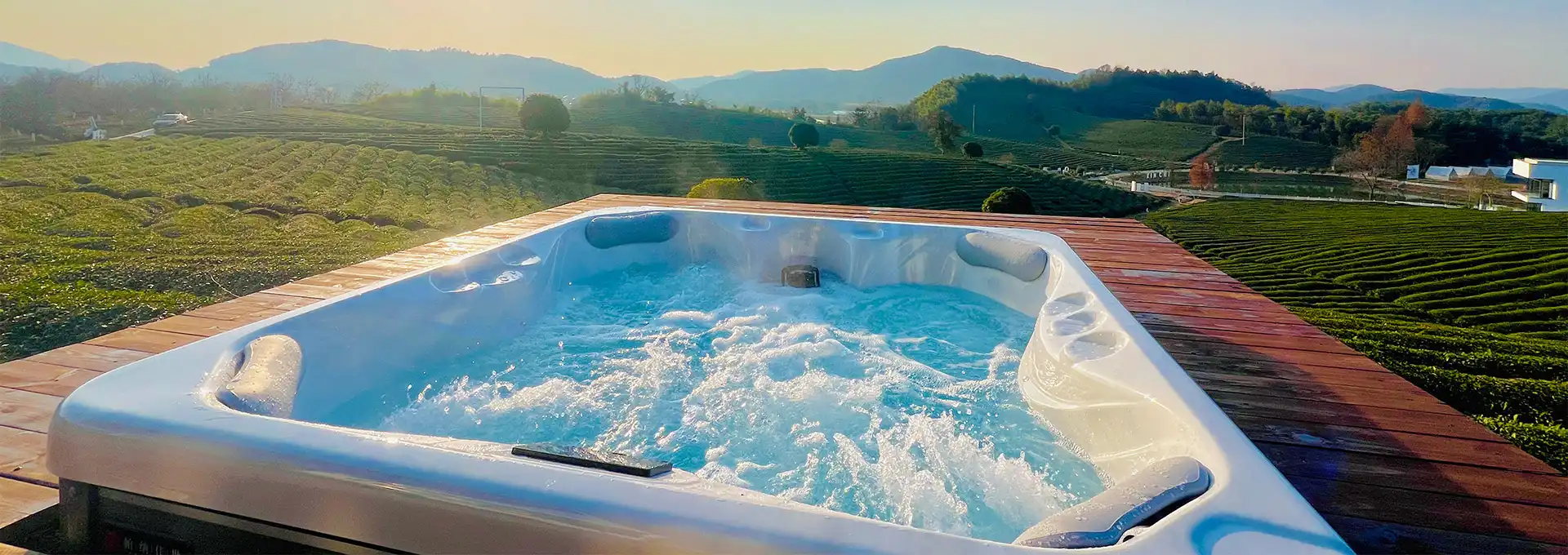
What Is a Round Stainless steel hot tub?
Spherical stainless steel hot tubs. Marine-grade Round Stainless steel hot tub resists corrosion in harsh industrial and coastal environments. Small yet spherical, this spa seats four. Strategic hydromassage jets and advanced water purifiers. In luxury residences, boutique hotels, and yachts, stainless steel is easier to clean, lasts longer in saltwater, and looks better than acrylic or wood. Durability and versatility make circular stainless steel hot tubs popular with businesses. Health, hospitality, and OEM customers like these systems because they last longer and cost less. Coastal hotel architects face salty air and spa damage. Yacht builders require water-resistant tools. Circles transcend beauty. Utilise small rooftop patios and private gardens for an organic touch. Resorts and private clubs develop durable, low-maintenance amenity infrastructure, changing this method. Stainless steel's non-porous surfaces, chemical stability, and structural integrity affect guest happiness and cost savings, procurement managers know. This extensive study covers technical details, maintenance demands, and buying factors to assist you in picking a corporate spa.
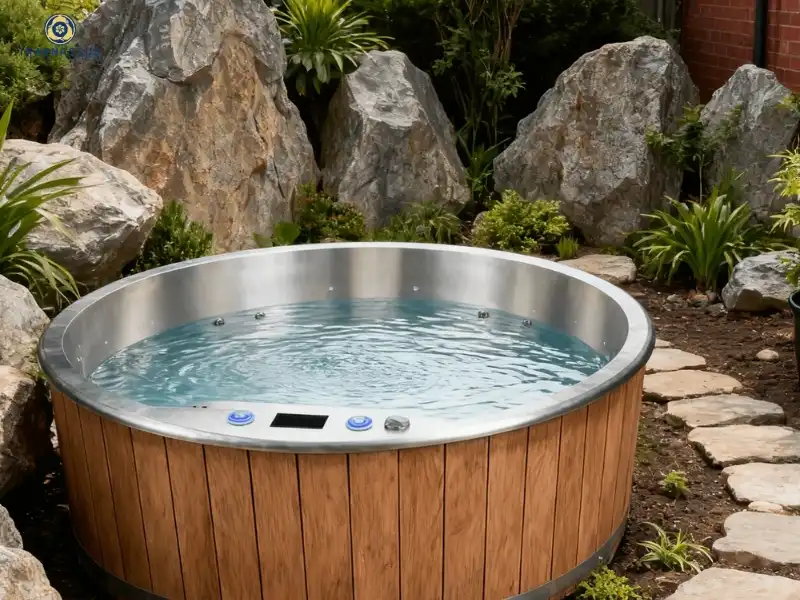
Understanding Round Stainless Steel Hot Tubs
Material Composition and Structural Advantages
Good circular spas stand out with their 304-grade stainless steel shells. The alloy has 18% chromium and 8% nickel. It prevents rust with an inert oxide layer. Polluted water and hot springs include minerals that quickly degrade materials. This metal makeup suits such areas. These 330 kg dry-weight supports are sturdy enough for commercial installations with a lot of foot traffic and household installations with permanent fasteners.
Stainless steel is smooth and pore-free. It also lacks plastic shells' microscopic crevices, which bacteria love. This advantage of cleanliness is particularly beneficial in busy spas. It prevents germs and simplifies cleaning. Stainless steel doesn't age, so chemical treatments, UV radiation, and temperature fluctuations won't wear away its surface or degrade its structure over time.
Technical Specifications and Design Parameters
Most circular arrangements are 183.5 cm wide and 102 cm high, which fits four people comfortably while maximising space. This size works well for tiny hotel patios, boat deck installations, and high-end residential landscaping that maximises space. When the shell is constantly full of water, the round shape equally distributes hydraulic pressure, preventing rectangular stress areas.
Hydrotherapy relieves stress by targeting shoulder, back, waist, and belly muscles with 15 ergonomic jets. CE- and TÜV-approved 2.0 HP pump with two speeds. You can adjust water flow using this silent device. This is crucial in residential areas and luxury hotels where noise may disrupt visitors' stay. The heating system has a CE/UL-approved 3.0kW portion. Temperature rises fast and plateaus. It can draw up to 15.6A from 220-240V/50Hz power lines.
Real-World Deployment Scenarios
Business spas employ round stainless steel tubs to create unique wellness environments and differentiate their services. The material won't change colour when exposed to oils, lotions, and medicinal ingredients, so it will look excellent even after daily use. Owners of holiday rentals install these apartments to boost desirability. They generate more revenue each night and need less maintenance between visitors, increasing ROI.
Small circular spas are installed on boat decks. The spas must withstand seawater, distribute weight uniformly, and not rust. A long-lasting 304 stainless steel design can tolerate sea spray without recoating. This implies boat owners will need less maintenance over time. Resort developers consider these installations architectural elements. The bright stainless steel finish matches modern design and may be utilised for hydrotherapy.

Benefits and Durability of Round Stainless Steel Hot Tubs
Exceptional Longevity and Corrosion Resistance
Businesses are using stainless steel because it resists material deterioration. Sprayed salt and chloride ions are constantly near the surface. Ions may corrode steel through protective layers. When exposed to air, chromium in 304 stainless steel forms a passive layer that repairs small surface damage. It strengthens the structure for years.
Pressures that fracture tough plastic shells and bend wood structures build up between room temperature and 38°C–40°C working temperatures. Stainless steel's mechanical properties enable heat changes without form alteration. Heat quickly travels from interior parts owing to thermal conductivity. This saves energy over heat-losing plastic models. This cuts commercial space heating and cooling costs.
For stainless steel construction quality control, XRF spectroscopy compares alloy composition to mill test results. Liquid Penetrant and Ultrasonic Testing assess weld quality non-destructively. Fusion flaws or sensitisation in heat-affected zones may render the weld less waterproof. Ferroxyl passivation testing creates metal with a protective chromium-oxide coating. This ensures corrosion resistance meets standards.
Energy Efficiency and Heating Performance
The 3.0kW heating elements in modern stainless steel circular spas quickly raise and maintain a specific temperature. Home and light business electric heating systems don't require extensive wiring like gas connections. Installation is cheaper, and compliance is easier. CE and UL certifications mean the heating element meets international electrical safety standards. Procurement teams know it works internationally.
Business system running costs depend on weather, insulation performance, and utilisation. Low-energy models with thermal covers can maintain water temperatures efficiently, helping reduce overall power consumption. Actual energy use varies according to local utility rates, climate conditions, desired water temperature, and operating frequency. Solar heating systems and heat pumps can also be integrated into green or energy-efficient buildings to further improve operating efficiency, while the stainless steel bathtub shell helps retain heat and supports consistent temperature maintenance.
Safety Certifications and Regulatory Compliance
International safety standards prevent electrical, fire, and spa equipment problems. Round stainless steel hot tubs with CE, TUV, and UL-approved pump and heater parts meet European and North American safety standards. Global hotel and resort builders may operate in countries with different laws and credentials.
Water-cleaning systems like P78B138 inhibit germ development between service visits using sanitation and filtration. Newer systems include self-defence capabilities that remind you to add water when water levels fluctuate. Avoid manual labor. These smart features reduce manual work and prevent equipment failure in hot or insufficient water.
How to Maintain and Clean a Round Stainless Steel Hot Tub
Routine Inspection and Preventive Care
A good maintenance plan begins with periodic stainless steel surface examination for discolouration that may indicate a chemical imbalance or bacterial layer. A smooth, pore-free surface simplifies cleaning. Rough acrylic surfaces may trap dirt in bumps. Weekly checks of water pH (7.2 to 7.8 is ideal), total alkalinity, and sanitiser concentrations may avoid corrosion of the passive oxide layer.
304 stainless steel resists corrosion but requires proper water chemistry. Surface cracks might result from high chlorine or acidic environments. It may ruin the building's attractiveness. A company should have automatic chemical dosing systems to maintain water parameters even when bathers and organic pollutants change.
Cleaning Techniques and Approved Agents
Clean stainless steel using pH-neutral solutions and soft cotton towels to avoid damaging the passive oxide layer. Avoid harsh scrubbers and chlorine-based cleaners. These might dull the surface and diminish rust resistance. Light dish soap and warm water remove body oils, lotions, and mineral buildups without harming stainless steel.
Clean below the waterline occasionally to maintain clean water. Stainless steel cleaners with acid or vinegar remove chemical layers and lustre. After chemical cleaning, rinse the spa to remove cleaners and modify the water chemistry when you turn it on. This avoids pH fluctuations and disinfectant failure.
The business installation care plan needs daily water testing, weekly surface cleaning, monthly filter cleaning, and a three-month system inspection. This structured strategy meets health and leisure hygiene standards and increases product life. Building managers use records to set performance standards and spot issues before they become too big to ignore.
Troubleshooting Common Issues
Discoloured stainless steel surfaces generally suggest water chemistry issues with no metal breakdown. Brown or orange particles indicate iron in source water. Chemical pre-filtering or sequestering may address this. These bind metal ions before oxidation and deposition. Copper leaks from heating or plumbing components may cause purple or green spots. You must inspect the whole system and perhaps replace parts.
Checking welds and water connections might find stainless steel spa leaks. Because welded stainless steel shells are stronger, severe failures are uncommon. Most pump covers leak due to screwing or wear. Checking weak places often allows you to adjust seals before little leaks become big ones.

Comparing Round Stainless Steel Hot Tubs with Other Types
Material Performance Analysis
People like to buy acrylic hot tubs for their homes because they are less expensive and come in many colors. In rough places, though, they don't last as long as stainless steel ones. A long time of UV light and changing temperatures can cause surface crazing in acrylic shells. This is made up of small crack networks. This gives bacteria places to hide, which makes cleaning less effective. Protective seals need to be used regularly on acrylic because it is weak. They don't need to be used on stainless steel installations, so they save money on maintenance labor and materials.
While wood hot tubs are beautiful and look good with rustic or traditional decor, they are too hard for businesses to keep up. Changes in wetness cause wood to naturally grow and shrink, so it needs to be cleaned, stained, and checked for watertightness all the time. You need to use chemicals to stop rot and bug damage, but they can make people allergic, so you shouldn't use them in public places where a lot of different kinds of people are likely to be.
Maintenance Requirements Comparison
Stainless steel is easy and quick to clean because its surface is smooth and doesn't have any pores. This is one of the pros of stainless steel and is very different from taking care of plastic, which needs special tools to keep the surface from breaking. People who run businesses figure out how much upkeep costs by adding up the hours of work and the prices of materials and supplies. They don't need as many workers, or can move workers to tasks that make money instead of maintaining equipment, because stainless steel is easier to clean.
When you compare how energy-efficient two things are, you can see that they work slightly differently depending on how they were installed. Acrylic models that are well insulated and have good covers may use about the same amount of energy as stainless steel units. However, stainless steel units are better for installing heat pumps in modern buildings because of how they handle heat. Total lifecycle cost accounting, which takes into account how often things need to be replaced, shows that stainless steel installations usually last 25 years or more with only a few parts needing to be changed. On the other hand, acrylic shells need to be polished or changed every 10 to 15 years.
Feature and Capacity Considerations
It doesn't matter what kind of shell material is used; what matters is how the jet system is built. Good setups should have 20 to 30 jets per massage pump so that the pressure is the same in all sitting situations. When paired with a 2.0HP unit, the 15-jet setup in small circular models for four people gives about 7.5 jets per pump, making for a strong massage that can help with muscle recovery and stress relief.
When there isn't much room, the ratio of seats to footprint is very important. Instead of having dead corners like rectangular designs do, circular designs make the most of the space inside while taking up the least amount of floor space. The 183.5cm circle round spa is big enough for four people, but it takes up less room than a similar six-person rectangular spa. Due to this, it is ideal for little homes where each square meter is important.
Buying Guide and Procurement Tips for Round Stainless Steel Hot Tubs
Supplier Evaluation Criteria
Purchasers should prefer suppliers with material certifications, weld inspection paperwork, and product testing records. Successful Chinese companies with more than 80 patents and 18 years of spa expertise may provide technological depth that new firms lack. Purchases from the plant reduce storage charges. Moreover, it permits direct customising and technical support discussions.
Multi-law hotel enterprises may access new markets with CB and UKCA certifications. This simplifies building project approval enforcement. These sheets are third-party-certified for electrical, structural, and safety. This decreases the possibility of purchasing from a sketchy seller with low prices and no documentation.
Pricing Structures and Investment Considerations
Spherical stainless steel hot tubs represent a premium investment because of their high-quality materials, specialized manufacturing requirements, and potential installation or permitting considerations. Resorts and hotel groups may obtain more favorable volume discounts from manufacturers when purchasing multiple units, which can improve overall project profitability. Equipment leasing or long-term payment plans may also help commercial buyers manage financing requirements and preserve operating cash flow for other amenity infrastructure and construction expenses.
Consider solid parts and motor systems when determining guarantees. Quality stainless steel shell manufacturers provide longer warranties, demonstrating their trust in the material. Most pump and heater warranties are 2–5 years, depending on quality. To maintain seamless operations throughout the asset's life, the contract should stipulate part availability, warranty, and technical support response time.
Logistics and Installation Planning
To minimise damage, 330-kilogram stainless steel spas need special shipping equipment. Property developers working on many building projects prefer suppliers that provide 'white-glove' delivery services, which include installing, connecting, and obtaining authorisation to use items. Installation help should explain foundation, energy, and water supply needs for system functioning.
Customisation satisfies product and property needs. Manufacturing collaborations may add branding, modify part sizes, and add or remove controls. They may optimise space and follow architectural regulations. Strategic collaborations with companies that provide several design variations allow procurement teams to give visitors unique experiences while standardising equipment across all sites.
These key variables show that choosing a circular stainless steel hot tub goes beyond price. Calculating total value, assessing the supplier, and determining corporate operations are equally crucial. If you examine these elements, your tools will work well and help your organization prosper.

Conclusion
Round Stainless steel hot tubs are an excellent investment for commercial and high-end residential uses that need long-lasting, low-maintenance, and aesthetically pleasing features. The 304 stainless steel construction is the best at resisting corrosion in coastal areas. The round shape fits four people perfectly without reducing the therapeutic benefits of the water. They have 15 strategically placed jets, high-tech water purification systems, and international safety certifications. These setups solve the specific operational issues that boutique hotels, yacht builders, vacation developers, and high-end home builders have. Stainless steel circular spas have much lower lifecycle costs than acrylic or wood spas because they last longer and are easier to maintain. Because of this, they are the best choice for buying customers who care more about long-term value than cost at first.
FAQ
1. What is the expected lifespan of a round stainless steel hot tub?
A 304 stainless steel hot tub should last 20 to 25 years if you take good care of it. This is a lot longer than the 10 to 15 years that most acrylic models last. Stainless steel made for marine use doesn't rust, so the structure stays strong even after being in water for a long time, being treated with chemicals, and having its temperature change. Anywhere from 5 to 10 years, mechanical parts like heaters and fans may need to be changed. It depends on how often they are used. However, the body will always work if you take good care of it.
2. How does heating cost compare to acrylic hot tubs?
As long as they are properly maintained, circular stainless steel hot tubs can have relatively stable electricity consumption. Actual energy costs depend on the selected water temperature, frequency of use, cover quality, insulation performance, and local electricity rates. When paired with heat pump systems, stainless steel can offer efficient heat transfer compared with some acrylic constructions, making it suitable for properties focused on energy efficiency. For commercial buildings, resorts, and other facilities seeking to reduce long-term operating expenses, combining stainless steel construction with modern heating technologies can help improve overall energy performance and potentially lower ongoing energy consumption compared with less efficient acrylic alternatives.
3. What maintenance advantages does stainless steel offer over acrylic?
In textured acrylic finishes, germs can grow in the spaces between the tiny holes in the surface. The stainless steel surface doesn't have any of those holes. The fact that this makes cleaning easier is useful for businesses. Some items are made to clean plastic, but mild soap and water will work just fine. Time and money are saved this way. UV light doesn't damage or crack stainless steel's surface, so it stays looking good over time without needing to be polished like plastic shells do.
Transform Your Commercial Spa Vision with iParnassus®
Coastal projects that build hotels and high-end homes need infrastructure for services that is made to last. iParnassus® makes Round Stainless steel hot tubs with advanced hydrotherapy systems and marine-grade 304 construction. These hot tubs are resistant to rust and require little maintenance, making them perfect for harsh ocean environments. We are one of the best manufacturers in China because we have been in the spa business for 18 years and have more than 80 patents. We have the trust of hotels and spas in Europe, Australia, North America, and all over the world's coastlines. Businesses can get prices straight from the factory, OEM customization options, and full technical support for the whole project lifecycle. Get in touch with our buying experts at info@iparnassus.com to talk about your specific needs and get prices for these high-quality Round Stainless steel hot tub manufacturer solutions that make the guest experience better while also making the business more efficient.

References
1. American Society for Testing and Materials. (2021). ASTM A240: Standard Specification for Chromium and Chromium-Nickel Stainless Steel Plate, Sheet, and Strip for Pressure Vessels and for General Applications. West Conshohocken: ASTM International.
2. International Organization for Standardization. (2019). ISO 13920: Welding – General Tolerances for Welded Constructions – Dimensions for Lengths and Angles, Shape and Position. Geneva: ISO Publications.
3. National Spa and Pool Institute. (2020). Commercial and Residential Hot Tub Standards: Installation, Operation, and Maintenance Guidelines. Alexandria: NSPI Technical Division.
4. Peterson, R., & Williams, J. (2022). Corrosion Resistance of Stainless Steel Alloys in Marine and Coastal Environments. Journal of Materials Engineering and Performance, 31(4), 2847-2861.
5. Thompson, K. (2023). Lifecycle Cost Analysis of Commercial Spa Equipment: Material Selection and Maintenance Considerations. Hospitality Asset Management Quarterly, 18(2), 112-129.
6. Zhang, L., Chen, M., & Rodriguez, A. (2021). Hydrotherapy Systems Design: Ergonomic Jet Placement and Pump Performance Optimization. International Journal of Aquatic Research and Technology, 15(3), 445-462.

Send Inquiry