What Is Hot Tub Therapy and How Does It Work?
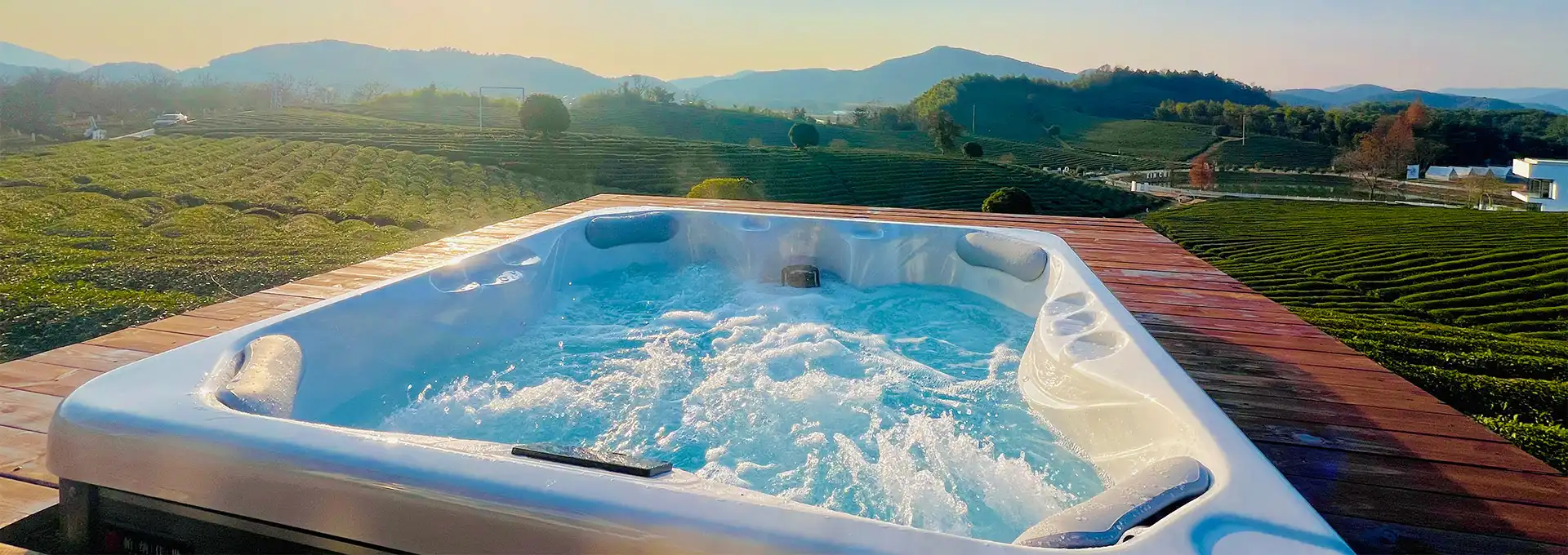
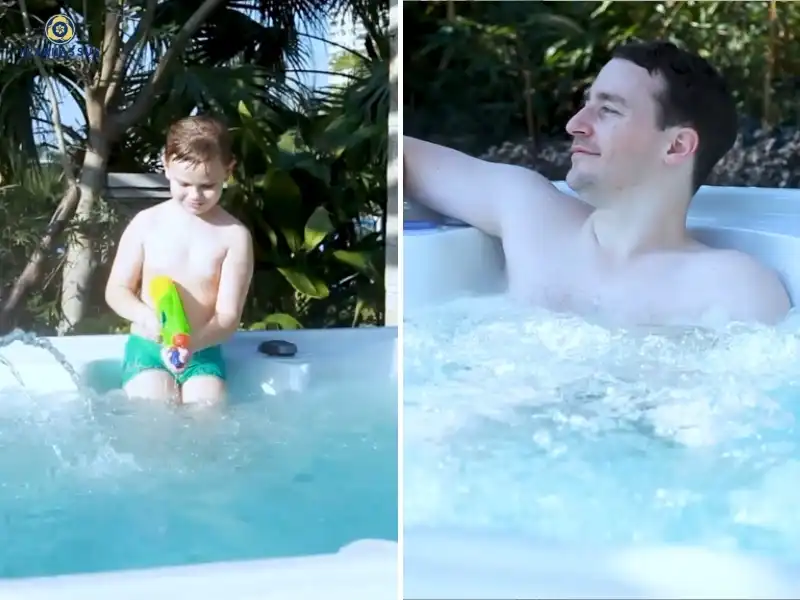
Hot tub therapy treatment is a systematic approach to warm water immersion that utilizes three synergistic forces—heat, buoyancy, and jet pressure—to provide quantifiable physical and emotional comfort. When you go in a hot spa, your body temperature increases, blood vessels open up, and circulation speeds up. Due to water's buoyancy, you’ll feel around 90% lighter, which greatly decreases stress on joints and soft tissue. These directed jets then provide the focused pressure to particular muscle areas, replicating the impact of a competent massage. The three forces collaborate to combat pain, stress, and movement issues.

Understanding Hot Tub Therapy: Definition and Mechanism
Bathing in warm water is thought to be the same as hydrotherapy by many. The way the system is built and run makes a difference.
How Heat Works on the Body
Warm the water to around 100-104 degrees. This opens the blood vessels throughout the body. This temperature response speeds up the transportation of nutrients to the muscles and the elimination of waste from the body. When you are under heat for 15 to 20 minutes straight, your nervous system gets into a calm condition. This prepares the body to recover and reduces stress.
The Role of Buoyancy
Archimedes’ principle asserts that any body in the water is pulled with a force equal to the weight of the stream passing past it. That implies that in real life, a person who weighs 180 pounds outside of the hot tub weighs just 18 pounds inside the hot tub. If you’re dealing with aching joints or achy spinal disks, this reduction in gravitational pull may assist. But stretching on dry soil is nothing.
Jet Pressure and Targeted Massage
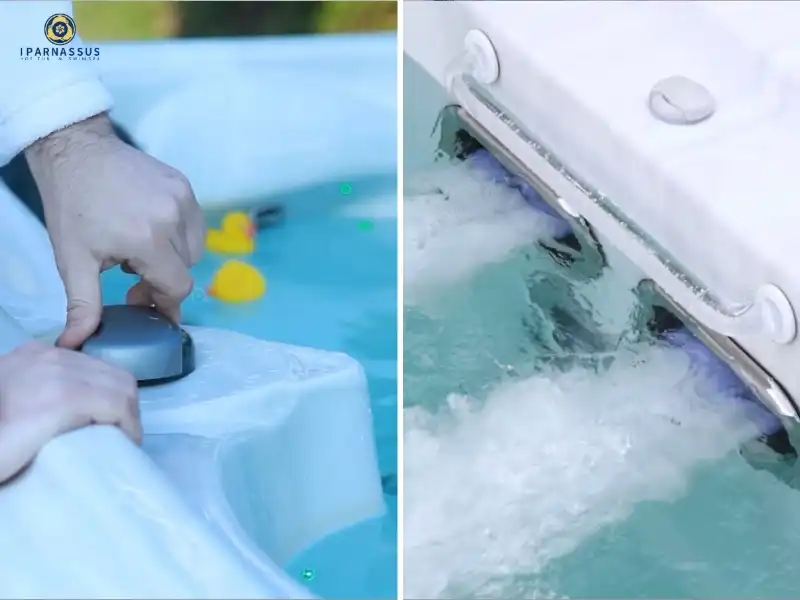
Today's jet systems provide the proper amount of water pressure to your back, shoulders, feet, and hips. When the muscles are physically aroused, the neurological system is relaxed. This increases the flow of lymph and breaks down skin-like adhesions. The jet strength can be adjusted, so each person may pick the pressure level they want. This is particularly beneficial in the workplace because individuals arrive with varied levels of pain and comfort.
Key Health Benefits of Hot Tub Therapy for Common Conditions
In the past twenty years, we have learnt a lot more about warm water immersion treatment. A 2021 study examined the therapeutic benefits of hot tub therapy. It was linked to improvements in pain, circulation, and soft tissue tension in several patient populations.
Arthritis and Joint Mobility
Exercise in warm water helps joints move more smoothly and reduces stiffness, according to the Arthritis Foundation. The joint effect of heat and buoyancy is to reduce the mechanical load on cartilage. People with osteoarthritis may move their joints all the way around without increasing the discomfort.
Muscle Pain and Recovery
This is a concern for athletes and those who work in offices because the muscles might develop stress over time. The British Chiropractic Association argues that when you sit down, the discs in your spine are under twice as much stress as when you stand up. You may alter this pressure pattern with frequent spa treatments and the proper jets. This is because the jets will enhance blood flow and reduce the amount of cortisol that accumulates when you are under a lot of mental or physical stress.
Sleep and Stress Relief
Sleep (Liao, 2002) discovered that for elderly persons, warm water before bed made it considerably simpler to go asleep and remain asleep. Your core body temperature decreases when you get out of the water, and this is a natural signal that it’s time to sleep. This is why a therapeutic bath is one of the finest methods to fall asleep without medicines.
Comparison of Hot Tub Therapy with Alternative Therapies
People who are responsible for purchasing something frequently ask themselves what the difference is between a club and a sauna, a cold plunge, or a professional massage table. Each modality has its own manner of operating and the way it functions.
Sauna vs. Hot Tub
A sauna generates dry heat between 150°F and 195°F. It makes you sweat and exercises your heart and lungs, but it doesn't massage you directly, and it doesn't float you. Hot tub treatment is effective for joint pain and muscular stress; a sauna can’t.
Cold Plunge vs. Hot Tub
Sports rehab programs commonly employ cold plunge pools because they reduce acute inflammation so fast. iParnassus® also produces chilly splash baths suited for this. But it does not relax soft tissues or make joints more flexible. Contrary to treatment, many high-performance facilities employ both forms of imaging.
Inflatable vs. Permanent Spa
Inflatable models are cheaper to buy but aren’t sturdy enough, don’t have enough jets, or aren’t insulated well enough for business or treatment use. Permanent plastic spas with numerous pump systems hold heat better, have a steadier flow, and last longer. All of these elements matter when you're trying to get a handle on the total cost of ownership for a hotel or a renovation project.
Procuring Hot Tub Therapy Solutions: What B2B Clients Should Know
Selecting the correct product for a company is more than just reading the specifications. These are the most crucial factors to remember when you are buying anything that may affect your happiness in the long run:
- Jet count and pump configuration: A 4-pump, 60-jet spa can provide pressure to all sitting positions without losing flow at any single jet. This criterion is especially critical in high-occupancy situations when numerous visitors are in the spa at the same time.
- Aromatherapy integration: This is not what you will find in the standard bathtub. Aromatherapy compatibility adds to the therapeutic options for wellness resorts and physical hot tub therapy offices looking to distinguish their offerings.
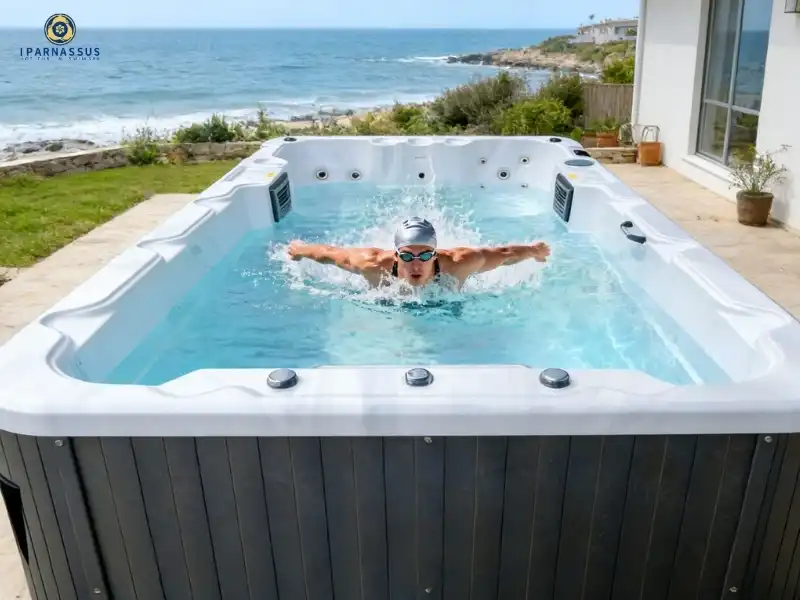
- Double function layout: 2 massage seats + 1 swim zone; 2 visitors may enjoy hydrotherapy while 1 user swims. This simultaneous-use design enhances revenue/unit in hotel and resort situations.
- Centralized management system for hotels: Commercial operators need remote monitoring, temperature scheduling, and multi-unit control. An integrated management system takes the work out of managing a property by hand.
- Efficient shipping: The product may accommodate up to 6 pieces in a 40HQ container, which also greatly reduces the freight costs for overseas purchasers, a feature that directly influences the project profits.
These items look a lot like what iParnassus® has incorporated into its most renowned 3D80 swim spa. The 3D80 features three seats, and each one has its own set of jets. On the sides, there are two built-in cushions that massage your body from shoulders to feet. The center seat features nine 2-inch jets in its back. All 60 jets are driven by four pumps. The extra-deep basin is a blast for all ages, and the commercial package includes built-in ice buckets, an illuminated waterfall, and easy-to-see safety floor guidelines.
Case Studies and Practical Applications in B2B Contexts
Rehabilitation Centers
Facilities that use structured water therapy programs say that they help patients stick with their treatment more than regular physiotherapy that takes place on land. Since there is less gravitational pull, people who have recently had joint replacement surgery can start range-of-motion exercises sooner.
Corporate Wellness Programs
Companies that put spa-like features in their employee health centers see a clear drop in stress and sick days. There is a clear link between the relaxation response caused by warm water immersion and jet massage and restored mental bandwidth. Businesses that want to be effective actively protect this resource.
Sports Recovery Facilities
Spa sessions are used by professional training centers and sports schools to help muscles heal faster between training blocks. There is less delayed-onset muscle soreness (DOMS) and less time between hard workouts when you use the jet treatment feature.
Conclusion
Heat, buoyancy and concentrated jet pressure from hot tub therapy are said to assist with pain reduction, joint health, stress management and sleep quality. If you own a company that buys from other firms — hotels, rehab centers or workplace health centers, for example — the greatest spa investments should fulfill therapeutic performance criteria, help your business function and have a clear route to profit. Such demands may be met by equipment like the iParnassus® 3D80. Available with 60 jets, 4 pumps, a dual-function layout, and compatibility with business management systems.
FAQ
1. How often should someone use a therapeutic spa for pain relief?
Most physical therapy guidelines suggest 3 to 5 sessions per week, lasting 15 to 20 minutes each. Daily use is generally safe for healthy adults at temperatures below 104°F.
2. Is warm water therapy safe for people with arthritis?
Yes. The Arthritis Foundation specifically recommends warm water immersion to reduce joint stiffness and improve mobility. Users with cardiovascular conditions should consult a physician before beginning a regular program.
3. What jet count is appropriate for commercial hydrotherapy use?
A ratio of at least 15 jets per seat is considered adequate for therapeutic applications. The iParnassus® 3D80 delivers 20 jets per seat — the highest ratio in its category — ensuring thorough coverage without pressure dilution.
4. Can aromatherapy be added to a commercial spa installation?
Yes, provided the unit is designed to accept aromatic compounds without damaging the pump seals or filtration system. Not all spas support this feature natively; confirm aromatherapy compatibility before procurement.
5. What is the typical shipping arrangement for bulk orders?
The iParnassus® 3D80 accommodates up to 6 units per 40HQ container, which reduces per-unit freight costs and simplifies logistics for large commercial deployments.
Explore iParnassus® Hot Tub Therapy Solutions for Your Business
We trust iParnassus®, a company that has been making hot tub therapy equipment for 18 years and has 80 patents. People at home or in business can use the 3D80 swim spa if they want to heal without giving up functionality. We can help you with the buying process whether you want to find a resort, a rehab center, or a wellness property. To find out more, get a quote, or set up a meeting, email us at info@iparnassus.com.

References
1. Becker, B. E. (2009). Aquatic Therapy: Scientific Foundations and Clinical Rehabilitation Applications. PM&R Journal.
2. Liao, W. C. (2002). Effects of passive body heating on body temperature and sleep regulation in the elderly. Sleep.
3. Forestier, R., et al. (2010). Rheumatoid arthritis and spa therapy. Joint Bone Spine.
4. National Institute for Health and Care Excellence. (2021). Chronic pain: assessment and management. NICE Guidelines.
5. Mooventhan, A., & Nivethitha, L. (2014). Scientific evidence-based effects of hydrotherapy on various systems of the body. North American Journal of Medical Sciences.
6. Bender, T., et al. (2005). Hydrotherapy, balneotherapy, and spa treatment in pain management. Rheumatology International.

Send Inquiry