Are 8 Person Hot Tubs Energy Efficient?
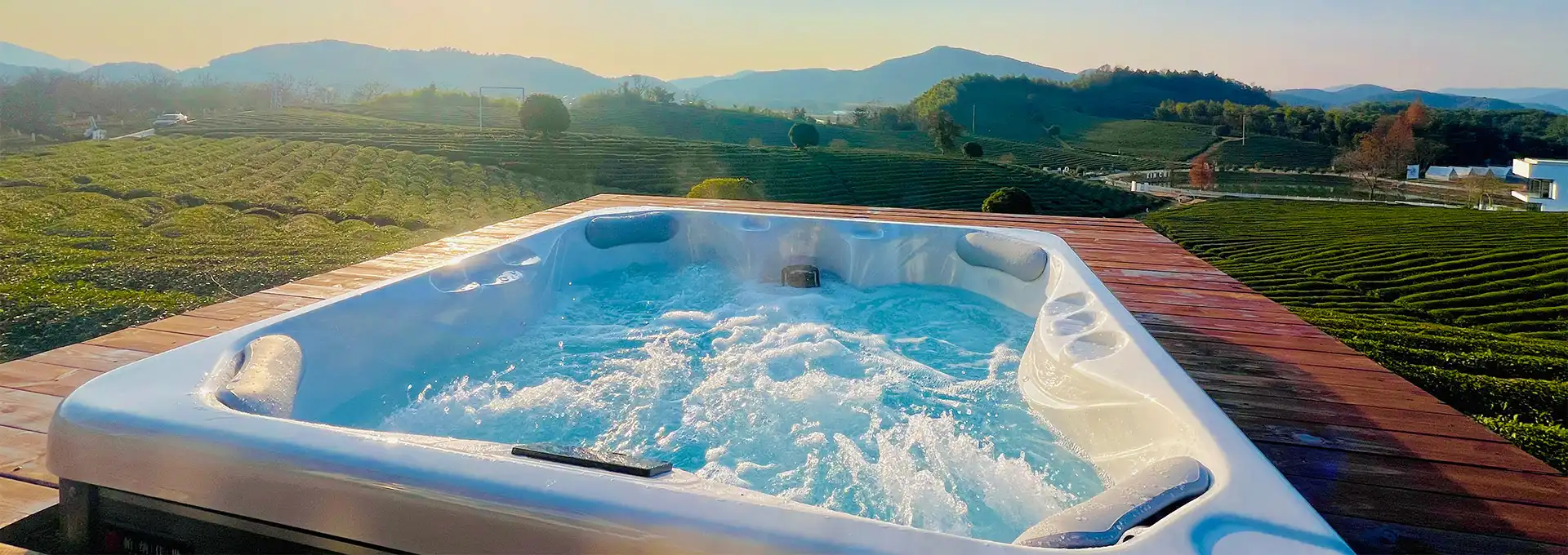
An 8 person hot tub may be energy efficient — however, it is contingent upon the type, technology, and how you maintain it. Larger spas carry 475-650 gallons of water and have more powerful pump systems; therefore, they use more electricity than smaller models. That said, today’s big-capacity, full-foam-insulated, variable-speed-pump and smart-thermostatic-control tubs may help you save money. When you look at a big spa for commercial use, the proper 8-person hot tub balance is capacity, performance, and long-term operating expenses.
Understanding Energy Efficiency in 8 Person Hot Tubs
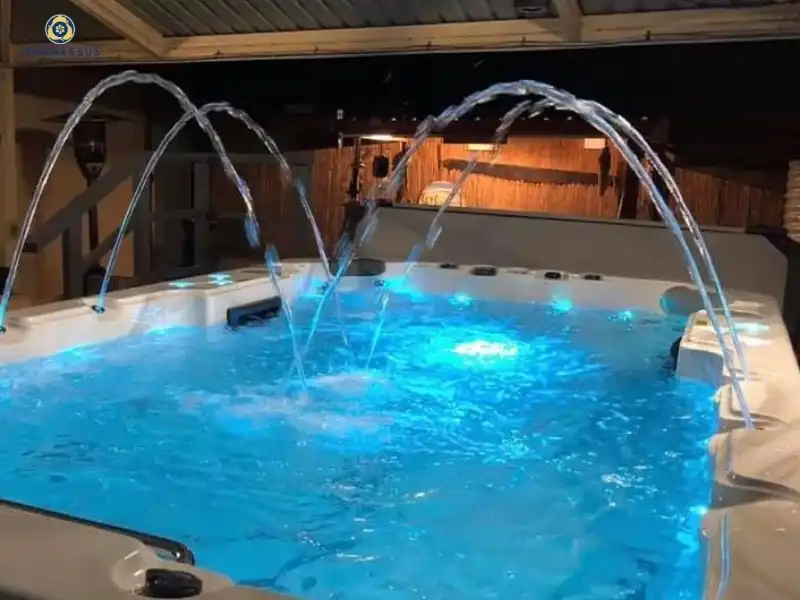
Big spas’ energy efficiency is determined by several factors working together. Knowing what makes customers purchase products lets purchasing teams make wiser, less costly judgments.
Shell Material and Insulation Quality
Full-foam insulation and acrylic shells hold heat far better than blow-in. Good insulation means you won’t have to heat your house as frequently, which immediately saves you money on electricity bills. Thick cabinet walls and sealed base panels help prevent heat loss at ground level. This is a vital feature for regions that get chilly or enterprises that are open all year long.
Heating System Technology
Modern spa heaters are composed of titanium or stainless steel and operate with heat pumps to utilize less electricity. A heat pump can produce 5 units of heat for every 1 unit of electricity it uses. The ratio of efficiency to power is much greater than for typical resistive heaters. Smart thermostats hold water at a constant temperature so it doesn’t become too hot too soon in the extremely cold weather.
Pump Efficiency and Jet System Design
Big 8 people hot tubs with 100 or more jets need a lot of electricity for the pump to provide consistent hydrotherapy pressure. However, pumps whose speeds (RPM’s) vary with demand consume a lot less electricity than pumps whose speeds remain constant. The iParnassus® 8R10 comes with 3x 3HP pumps that power 113 massage jets. These versions are designed so that each pump is operating at its optimal speed. That way, the system doesn’t waste time and electricity by running at top speed all the time.
Comparing Energy Efficiency: 8 Person vs 6 Person Hot Tubs
The size difference between a six-seat and eight-seat spa affects more than just the guest experience. It has real implications for energy budgets.
Water Volume and Heating Load
A 6-person spa generally contains 350–450 gallons, while an 8-person model stores 475–650 gallons. This extra volume of water takes longer to heat and needs more energy to stay warm. However, with a big party, an 8-person spa eliminates the need for more than one cycle – one cycle will be enough for everyone at the same time rather than two cycles in a smaller 8-person hot tub.
Pump and Jet System Differences
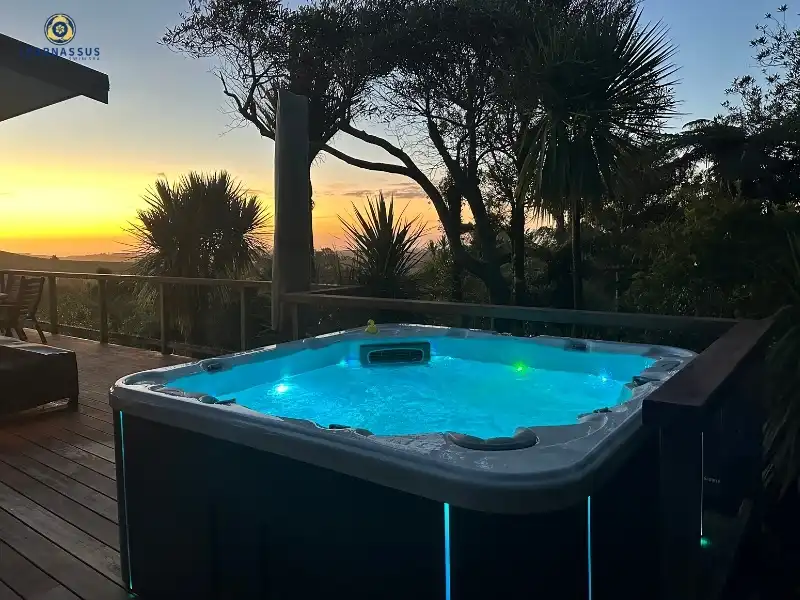
Six-person versions typically need one or two pumps, although eight-person variants sometimes require three pumps to effectively power a larger number of jets. An underpowered pump system will not be able to fulfill demand and will waste energy. For example, the iParnassus® 8R10 has a 3×3HP pump-to-jet ratio, correctly set for its entire 113-jet array. Each pump is in its efficient working range, rather than overloaded.
Operational Cost in Commercial Settings
An 8-person spa often provides a better cost-per-guest ratio than operating many smaller units for resort management or a commercial entertainment venue. Lower running expenses because there are fewer separate systems to heat, filter, and chemically treat. In the real-world statistics of hospitality operations, one large-capacity spa for groups results in less overall energy expenditure than two medium-capacity tubs at the same time.
Enhancing Energy Efficiency: Maintenance and Usage Best Practices
Even the finest built spa will cease operating well if you don't take care of it. These behaviors impact how much you spend on energy and how long your equipment will last.
A well-maintained large spa may consume 20–40% less energy than an unmaintained one. This is the result of solid maintenance practices and clever sequencing of usage. Main basic practices are:
- Change the filters every two to four weeks. Clogged filters need the pumps to work harder to circulate water, increasing the electrical demand in 8-person hot tubs. A clean filter system ensures flow resistance remains low and pump motors operate within their optimal working range. Always wear a well-fitting thermal cover. The U.S. Department of Energy estimates that an 8-person hot tub cover may prevent heat loss by up to 75 percent. A tight-fitting high-density foam cover on a big-volume spa will rapidly pay for itself in reduced heating expenses.
- Schedule heating cycles to occur during off-peak rate hours. Time-of-use pricing is offered by several utility companies. In a business context, programming the spa to reheat during off-peak hours overnight may significantly save power expenditures.
- Keep water chemistry correct. Unbalanced water speeds up corrosion of pump seals and heater components, decreasing efficiency and resulting in early failure. Keeping pH and sanitizer levels consistent protects equipment function.
Schedule heating rounds during times when rates are cheapest. The rates may vary based on the time of usage. If you own a company, you may save a lot of money on electricity by heating your spa during nighttime low-rate hours.
Procurement Insights: Choosing Energy-Efficient 8 Person Hot Tubs for Your Business
Selecting a large spa for commercial or luxury residential use requires evaluating more than the sticker price. Long-term operational costs, after-sales support, and smart technology integration all affect total cost of ownership.
Key Energy Certifications and Standards
Look for models that have been ANSI/APSP verified and are suitable for heat pump integration. Where relevant, the item is Energy Star certified, meaning it satisfies standards for confirmed efficiency. These certifications are very relevant for sustainability reporting in hospitality and real estate ventures.
Smart Controls and Automated Energy Management
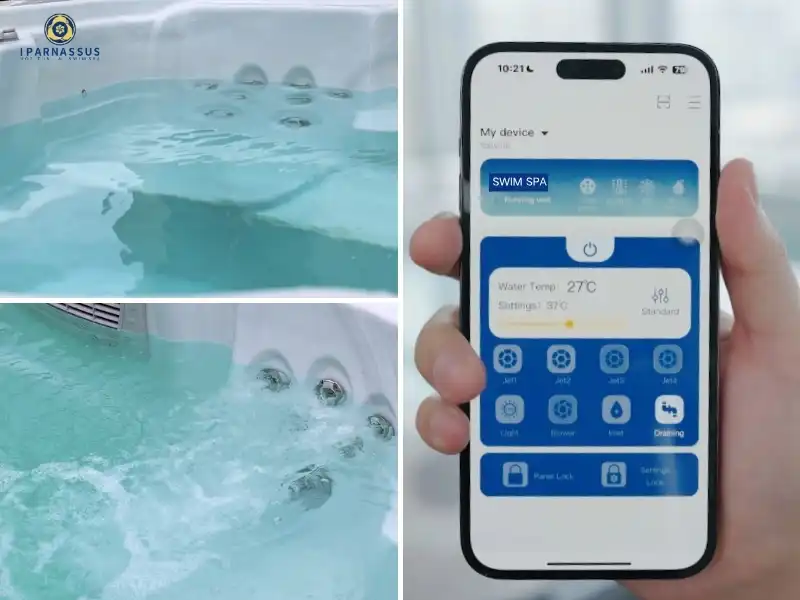
The iParnassus® control system enables remote control from a smartphone, such as setting a water temperature schedule, real-time water level monitoring, and an automated self-protection program in the case of overheating or water scarcity. The system incorporates an autonomous power supply port for heat pump control that actively limits energy demand. This is especially important for resort operators who can handle several spa units from a single system.
The iParnassus® 8R10: Built for Commercial Demands
The 8R10 is a purpose-built large-capacity spa for groups. There is one lounge chair, two main chairs, and two loveseats with shoulder massage jets, enough for eight people. There are 113 total massage jets driven by three 3HP pumps, so you get constant full-body hydrotherapy without the performance drop-off that may happen with underpowered big 8-person hot tubs. Its size of 259cm allows it to fit easily on resort patios, in private homes, and in entertainment venues. Noise-reduction engineering controls the ambient noise for a premium experience in sound-sensitive environments. Bulk purchase agreements and financing solutions for approved business purchasers.
Conclusion
iParnassus® has been building spas for 18 years and has 80 registered patents for every single product they build. If you want commercial-grade performance, clever energy management, and construction built to endure, our 8 person hot tub is for you. A single high-end installation is no different from a huge order for a major resort. Our staff is here to assist.
FAQ
1. How much electricity does an 8-person hot tub typically use?
Most large-capacity spas consume between 3.0 and 7.5 kWh per day depending on climate, usage frequency, and insulation quality. In commercial settings with frequent use, expect the higher end of that range. Upgrading to a heat pump and using a quality thermal cover can bring daily consumption closer to the lower end.
2. Are acrylic 8-person hot tubs more energy efficient than inflatable models?
Yes, by a significant margin. Acrylic shells with full-foam insulation retain heat far more effectively than inflatable PVC walls. For commercial installations where the spa runs daily, an acrylic model is the standard choice — the operational savings over one to two years typically offset the higher purchase price.
3. What maintenance tasks most reduce energy costs?
Filter cleaning, thermal cover use, and off-peak heating scheduling deliver the biggest impact. Keeping water chemistry balanced protects pump and heater efficiency over time, preventing costly component degradation that drives up both energy use and repair bills.
4. Can smart controls meaningfully reduce operating costs?
Yes. Remote scheduling, automatic temperature holds, and self-protection programs prevent unnecessary energy draw. Systems like the iParnassus® smartphone controller allow facility managers to monitor and adjust multiple units remotely, reducing waste without sacrificing guest readiness.
Connect With iParnassus® — Your 8 Person Hot Tub Supplier
When it comes to weather, how often they are used, and how well they are insulated, most big spas, including an 8 person hot tub, use around 3.0 to 7.5 kWh per day. People who work in places that get a lot of use should expect to pay more in that area. You can get your daily use closer to the lower end if you get a heat pump and use a good thermal cover. You can email us at info@iparnassus.com to get more information, prices, and help with buying.

References
1. American National Standards Institute / Pool & Hot Tub Alliance. ANSI/APSP/ICC-14 American National Standard for Portable Electric Spa Energy Efficiency. 2019.
2. U.S. Department of Energy. Energy Saver Guide: Tips on Saving Money and Energy at Home. Office of Energy Efficiency and Renewable Energy, 2022.
3. California Energy Commission. Appliance Efficiency Regulations: Portable Electric Spas. CEC, 2021.
4. Pool & Hot Tub Alliance. 2023 Industry Consumer Study: Hot Tub Ownership Trends and Energy Use. PHTA, 2023.
5. Dunlap, R. & Strom, B. Residential Swimming Pool and Spa Energy Consumption Study. Pacific Gas and Electric Company, Applied Technology Services, 2018.
6. Natural Resources Canada. Energy Efficiency of Residential Hot Tubs and Spas: Technical Assessment Report. Office of Energy Efficiency, 2020.

Send Inquiry