_1768872582663.webp)
Guide to buying the best 3-4 Person Hot Tubs
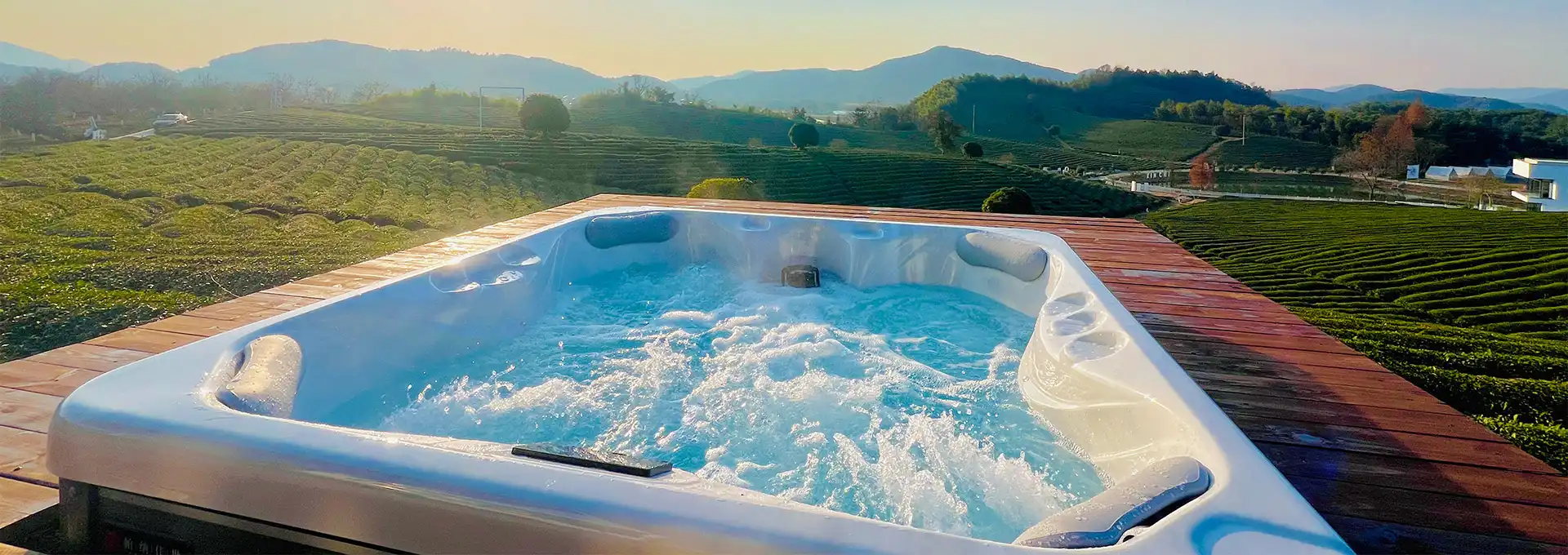
When searching for the right compact spa solution, understanding what makes an excellent 3-4 person hot tub becomes essential. These medium-sized units balance comfort with practicality, offering enough room for small families or couples without overwhelming limited outdoor spaces. Quality models provide therapeutic benefits through strategically positioned jets, durable construction from materials like USA-imported acrylic, and low-maintenance water treatment systems featuring ozone and UV sterilisation. Smart buyers prioritise simplicity over unnecessary features, focusing on core soaking experiences that deliver relaxation without complexity or inflated costs.
Understanding the Needs and Benefits of 3-4 Person Hot Tubs
Why Compact Hot Tubs Make Sense for Budget-Conscious Buyers?
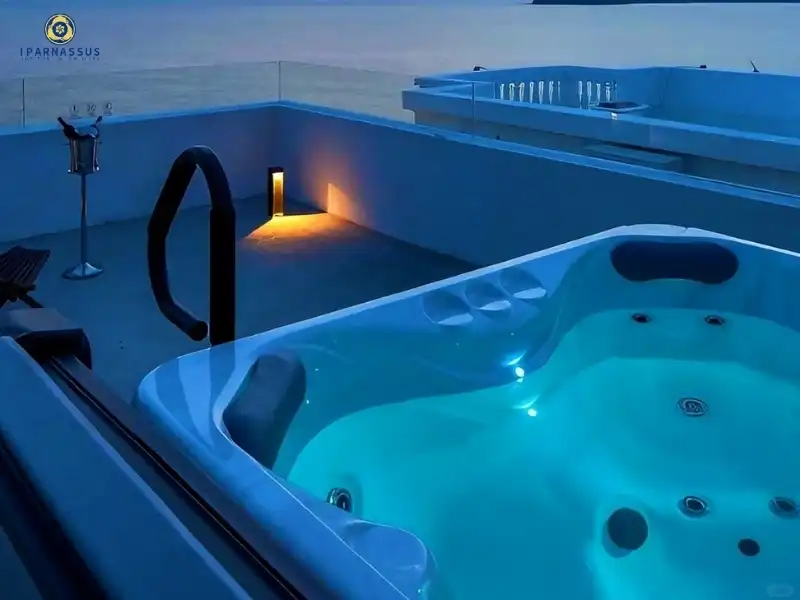
Nowadays, a lot of purchase decisions are influenced by space constraints. On small patios, decks, or even cramped courtyard spaces where bigger models would overpower the space, a little hot tub, around 180 cm square, fits well. Couples, small families, and property managers looking for value without compromising quality would find this footprint very useful. This strategy is best demonstrated by the 4S01 model, which has a 1.8-metre length and four complete seats with plush pillows to support your head during long soaking periods. Strong hydrotherapy is delivered by carefully positioned massage jets that target tension throughout your body, acting as expert hands to relieve weariness from hard workdays.
Therapeutic Value Without the Premium Price Tag
The advantages of hydrotherapy go beyond just relaxation. Frequent usage of the hot tub improves sleep patterns, lowers stress hormones, and aids in muscle rehabilitation. Warmth improves circulation and delivers oxygen-rich blood to weary muscles, while the buoyancy of water eases joint strain. These health benefits translate into real visitor pleasure for hospitality venues or wellness-focused enterprises. Corporate wellness initiatives are becoming more aware of how easily available hydrotherapy facilities boost staff morale and lower absenteeism due to stress.
Energy Efficiency and Maintenance Simplicity
Compared to previous versions, modern small spas have much lower operating expenses because of insulation methods that reduce heat loss. Systems for treating water that combine ozone and UV sterilisation reduce chemical reliance, prolong the time between water changes, and preserve cleanliness. This dual-action method effectively gets rid of germs and pollutants, solving one of the main problems for time-pressed households who would rather have easy soaking sessions than ongoing upkeep. Property managers like how these solutions lower labour expenses while upholding hygienic standards that are essential for visitor safety.
Comparing 3-4 Person Hot Tubs: Material, Features & Performance
Acrylic Versus Inflatable Construction
Longevity and user experience are significantly impacted by material choice. When compared to inflatable alternatives, acrylic hot tubs made of materials imported from the United States are more durable. Although inflatable units are more portable and need less initial investment, they are not structurally sound for everyday use in commercial settings. After years of use, acrylic shells continue to function and look good because they are resistant to fading, cracking, and chemical deterioration. The non-porous, smooth surface makes cleaning procedures easier and inhibits the formation of algae.
Although they sacrifice jet power, insulation efficiency, and general comfort, inflatable variants are useful for short-term deployments or situations with very tight budgets. The sturdy piping systems required for therapeutic massages cannot be supported by their pliable walls. Even though solid acrylic construction has a greater initial cost, businesses aiming for long-term value should prioritise it since the total cost of ownership favours durable materials that require less frequent repair.
Seating Configuration and Jet Placement
Excellent models are distinguished from subpar ones by thoughtful ergonomic design. Users may unwind without being positioned awkwardly thanks to full chairs with curved support. When several people use the tub at once, the crowded circumstances that impair relaxation are avoided with enough footwell room. Comprehensive therapeutic coverage is provided via jet placement that targets the primary muscle groups of the feet, calves, lower back, and shoulders. The 4S01 design shows how a well-planned jet arrangement turns a basic soak into true hydrotherapy, relieving tension that has built up throughout the body in a methodical manner.
Operational Noise and Energy Consumption
For residential installations and hospitality settings, where visitor comfort is of utmost importance, quiet operation is crucial, especially for 3-4 Person Hot Tubs. Disruptive noises during filtering cycles are reduced by high-quality circulation pumps and well-designed piping systems. In light of growing utility prices, energy-efficient heating components are especially crucial for maintaining warmth without using excessive amounts of electricity. Before completing purchases, buyers should ask for precise decibel ratings and monthly operational cost projections since these elements have a big influence on budget adherence and long-term satisfaction.
Procurement Considerations for Businesses: How to Choose the Right Hot Tub?
Matching Capacity to Actual Usage Patterns
Rather than taking into account actual usage, manufacturer capacity estimations frequently presume maximum occupancy. For three users who respect personal space, a unit designated for four people usually offers the best level of comfort. Sincere evaluation of common usage scenarios avoids undersized choices that lead to disappointment or large purchases that squander resources. Based on occupancy rates and visitor profiles, hotel management should determine the anticipated peak demand. It is beneficial for homebuyers to take into account whether they host regularly or use the spa mostly as a couple looking to unwind privately.
Space Requirements Beyond the Shell Dimensions
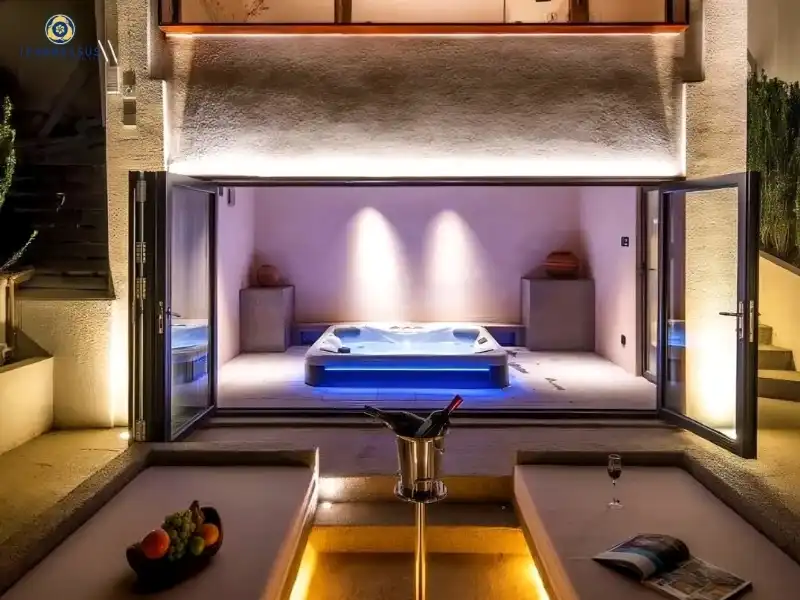
The physical footprint of the hot tub is not the only consideration in installation planning. More room is needed for electrical connections, access for maintenance tasks, and clearance for cover removal. For practical operation and servicing access, a 180 cm square unit requires an additional 30 cm perimeter. Professional evaluation of the deck's load-bearing capability is necessary, especially for higher installations or older buildings that weren't intended to support concentrated weight. Proper base preparation—compacted gravel covered with concrete pavers or a reinforced pad to ensure level, sturdy support preventing settling or shifting—is beneficial for ground-level installations.
Supplier Credentials and After-Sales Support
Comprehensive warranties covering plumbing systems, equipment performance, and shell integrity are offered by reputable providers. For structural components, look for terms that last at least three years; for mechanical components, look for terms that last one year. Reputable manufacturers are distinguished from those that make hollow promises by their attentiveness to customer service. With eighteen years of spa expertise, iParnassus® is a prime example of the professional approach that businesses need, providing full support from design consulting to installation instruction and continuing maintenance help. Their more than 80 patents show ongoing innovation that addresses practical user demands as opposed to frivolous additions that increase costs without providing value.
Evaluating Loading Efficiency for Distributors
When acquiring merchandise for resale, procurement specialists need to take transportation economics into account. Compared to bulkier designs, the 4S01 model's loading efficiency enables 18 units per 40-foot-high cube container, significantly lowering per-unit shipping costs. Increased profit margins and competitive retail prices are direct results of this efficiency. Distributors aiming for mass markets value how careful package design reduces logistical costs while safeguarding goods in transit.
Leading Brands and Suppliers in the 3-4 Person Hot Tub Market
iParnassus® Brand Overview
Over the course of over 20 years, Shenzhen Iparnassus Intelligent Spas Co., Ltd. has achieved the greatest level of experience in spa production. Hot tubs, swim spas, and cold plunges are all part of their product line, which is designed, developed, manufactured, sold, and serviced by expert teams. Their widespread appeal in North America, Europe, Australia, and the Middle East attests to their customer-focused philosophy and high standards of quality.
Intelligent elements like self-cleaning systems, antiviral capabilities, and precise temperature control are integrated with treatment features like full-body massage and hot spring-style soaking in iParnassus® hot tubs. Rather than being merely marketing talking points, these characteristics actively aid in reducing tiredness and speeding up recovery. Waterfalls, fountains, ambient lighting, Bluetooth audio systems, and other optional features improve recreational experiences without overwhelming customers with complex settings.
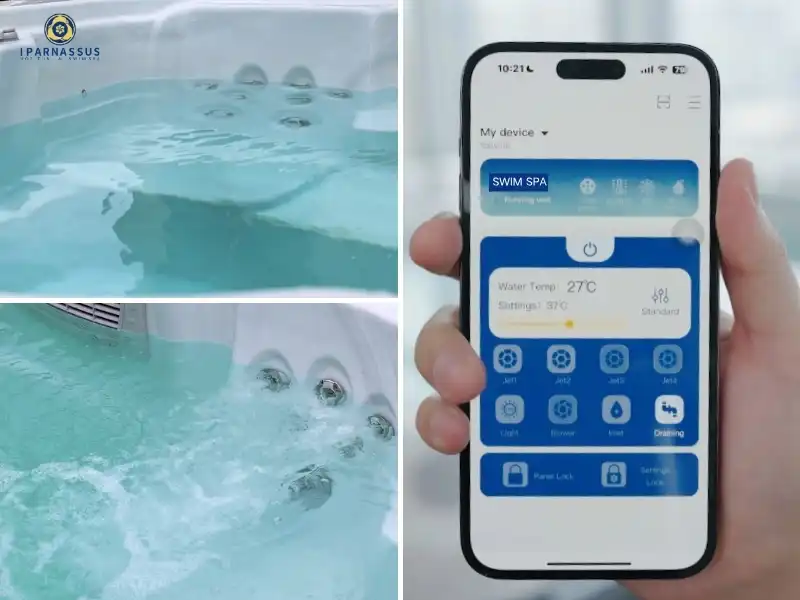
Advanced Control Systems Setting Industry Standards
The iParnassus® control system integrates with smartphones to provide true ease. Water levels and operating conditions of custom hot tubs are visible in real time thanks to the single-button starter and monitoring system. Quick-weather- draining features offer useful convenience, and remote water management enables users to monitor intake and discharge operations from any location. When entering or leaving water, automatic self-protection programming kicks in, removing the need for human power management and shielding heating elements against dry-fire damage.
Water scarcity alarms, high-temperature cutoffs, and low-temperature protection that guards against freeze damage in cold climes are examples of safety measures. When the spa is not in use, secure remote access by one-key phone locking guarantees that settings stay the same. When compared to previous sensor technologies, upgraded internal floating ball water level sensing improves safety, stability, and dependability. For individuals who prefer minimal involvement, intelligent water reminders simplify consumption by automatically alerting users when refill becomes necessary. The touch-sensitive control panel offers exceptional waterproof durability along with simple operation. Heat pumps are effectively powered and controlled by an automated power supply port, which maximises energy use during operation.
Evaluating Alternative Suppliers
Even while well-known companies like Jacuzzi are well-known, their high prices sometimes reflect marketing costs rather than commensurate advances in quality. In the inflatable market, Intex and Coleman are the leaders, providing good value for short-term installations or very tight budgets. A similar posture is offered by Bestway, albeit its durability promises are marginally improved. Although some companies cater to certain markets, they are unable to match the durability or functionality of well-made acrylic units from specialised manufacturers.
Before committing to unknown vendors, purchasing managers should ask for comprehensive specs, warranty documents, and customer references. When possible, site visits to manufacturing plants offer insightful information on production capacities and quality control procedures. For business applications, certification in conformity with pertinent safety and environmental standards shows professionalism and lowers liability risks.
Installation, Maintenance, and Optimisation Best Practices
Site Preparation and Electrical Requirements
A comprehensive site assessment is the first step towards a professional installation. Stable, level foundations shield shells from stress that might eventually lead to cracking. Local codes must be followed while doing electrical work, which usually calls for specialised 220V lines with ground fault circuit interrupter protection. To guarantee safety and preserve warranty coverage, all wiring should be handled by licensed electricians. Although portable hoses work very well in most settings, being close to a water supply makes initial filling and ongoing maintenance easier.
Routine Maintenance Protocols
Regular pH testing and adjustment, sanitizer level monitoring, and filter cleaning or replacement in accordance with manufacturer schedules are all part of maintaining water quality. Although they can't completely eradicate chemical dependency, ozone and UV systems significantly lessen it. By oxidising accumulated organic contaminants, monthly shock treatments preserve water clarity and stop the growth of biofilms. Under typical use, filter cartridges need to be rinsed every two weeks and replaced every year or when their structural integrity deteriorates.
Periodically cleaning shell surfaces with non-abrasive cleansers made especially for acrylic materials is beneficial. Algae and bacteria can grow in locations where protective coatings are damaged by harsh detergents or abrasive scrubbing pads. Cleaning vinyl surfaces, conditioning to stop cracking, and checking that locking mechanisms work correctly are all part of cover maintenance. High-quality coverings offer crucial insulation, limiting trash buildup and unwanted access while controlling heating expenses.
Troubleshooting Common Issues
Clogged filters limiting water circulation are usually the cause of flow errors in custom hot tubs. Rather than element failure, insufficient insulation or broken thermostats are frequently the cause of heating issues. Air lock conditions that call for bleeding or calcium deposits that call for descaling procedures can both cause a decline in jet performance. Unusual noises should be investigated right away since they often indicate impending pump or bearing problems that should be fixed before a catastrophic breakdown happens. Keeping thorough service logs reduces unplanned downtime by identifying trends and forecasting component replacement requirements.
Conclusion
Long-term value and practical concerns must be balanced when choosing high-quality small hot tubs. The perfect 3-4-person hot tub offers therapeutic effects because of its well-thought-out design, sturdy construction, and simple, uncomplicated operation. Prioritising the essentials—sturdy construction, effective heating and filtration, cosy seating, and prompt assistance from reputable manufacturers—allows budget-conscious consumers to get the most out of their purchases. Models such as the 4S01 show how meticulous engineering produces outstanding user experiences at reasonable prices through clever design decisions that also help distributors by improving loading efficiency.
FAQ
1. What is the typical water capacity for compact hot tubs?
Depending on depth and seating arrangement, the majority of 3-4 person hot tubs can contain 800–1,200 litres of water. This line includes the 1.8-metre-square design of the 4S01 model, which offers enough capacity for efficient jet performance and comfortable soaking without incurring high heating expenses. Maintaining the proper water level keeps equipment safe and guarantees that jets operate as intended.
2. How do acrylic and inflatable models compare for energy efficiency?
When properly insulated, acrylic hot tubs use 30–50% less energy than their inflated counterparts. Rigid shells limit heat loss by maintaining tighter seals and accommodating heavier insulation layers. With less frequent heater cycling, the insulation maintains steady water temperatures. Although inflatable units are initially less expensive, savings are sometimes eliminated after two years of consistent usage due to higher continuing operating costs.
3. What warranty terms should businesses expect when purchasing?
Reputable manufacturers provide one to two years of coverage for equipment and three to five years for structural components. Because commercial applications are used more frequently, their periods may be shorter. Examine warranty exclusions carefully, paying special attention to installation specifications and maintenance compliance. Commercial installations where downtime costs outweigh premium prices may benefit from extended warranty options.
Partner with iParnassus® for Your Compact Spa Solutions
For consumers on a tight budget looking for dependable little hot tubs without sacrificing performance or quality, iParnassus® offers outstanding value. Our 4S01 model is a prime example of the minimalist design philosophy favoured by couples, small families, and hospitality managers that prioritise simple soaking experiences above complex amenities. As a well-known hot tub producer with 18 years of experience and 80 patents, we know what really counts: sturdy acrylic construction made in the USA, effective ozone and UV water treatment, cosy seats, and clever controls that make operation easier. These 3-4-person hot tubs are designed to provide a comfortable and practical soaking solution for users who need a compact yet reliable option for smaller spaces. While homeowners enjoy maintenance-free enjoyment, distributors value our exceptional loading efficiency, which lowers logistical costs. Whether you need a single unit for your own use or large quantities for resale, get in touch with our team at info@iparnassus.com to find out how iParnassus® hot tubs meet your unique needs.

References
1. Anderson, M. (2021). Hydrotherapy Benefits in Modern Wellness Design. Spa Industry Association Publications.
2. Chen, L., & Roberts, K. (2022). Comparative Analysis of Hot Tub Construction Materials. Journal of Recreational Water Quality, 15(3), 112-128.
3. Henderson, P. (2020). Energy Efficiency Standards for Residential Spa Equipment. International Energy Conservation Council.
4. Martinez, S. (2023). Procurement Best Practices for Hospitality Amenities. Hotel Management Quarterly, 28(2), 45-61.
5. Thompson, R., & Williams, D. (2022). Maintenance Protocols for Commercial Aquatic Facilities. Aquatic Facility Operations Manual, 4th Edition.
6. Zhang, Y. (2021). Smart Home Integration in Spa Technology. Consumer Electronics Innovation Review, 12(4), 203-217.

Send Inquiry