_1768872582663.webp)
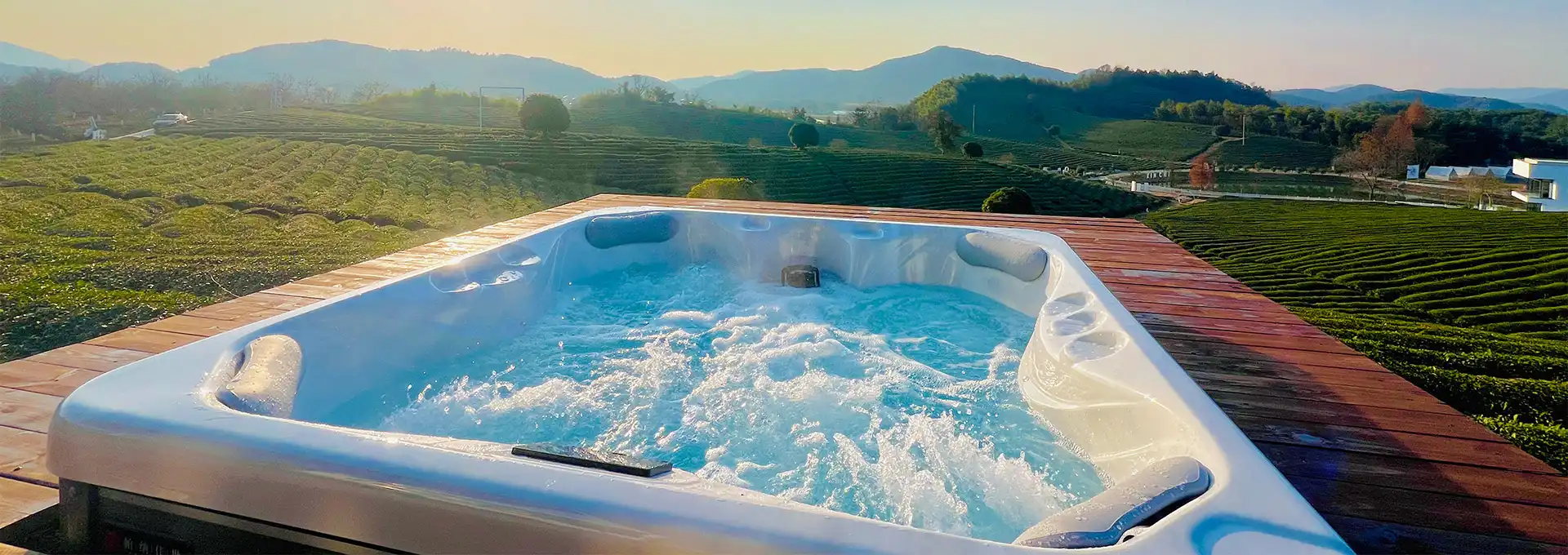
Top 7 Health Benefits of Swim Spas
Modern wellness facilities and commercial properties increasingly recognize the value of integrating aquatic wellness solutions that deliver measurable health outcomes. A 7 person swim spa represents a strategic investment for resort developers, hotel operators, and corporate wellness programs seeking to offer comprehensive health benefits within a compact footprint. These dual-zone systems combine the cardiovascular advantages of swimming with the therapeutic benefits of hydrotherapy, accommodating multiple users simultaneously. Research from the American College of Sports Medicine demonstrates that aquatic exercise reduces joint stress by up to 90% compared to land-based activities while delivering comparable cardiovascular improvements. This makes swim spas particularly valuable for facilities serving diverse populations with varying fitness levels and rehabilitation needs.
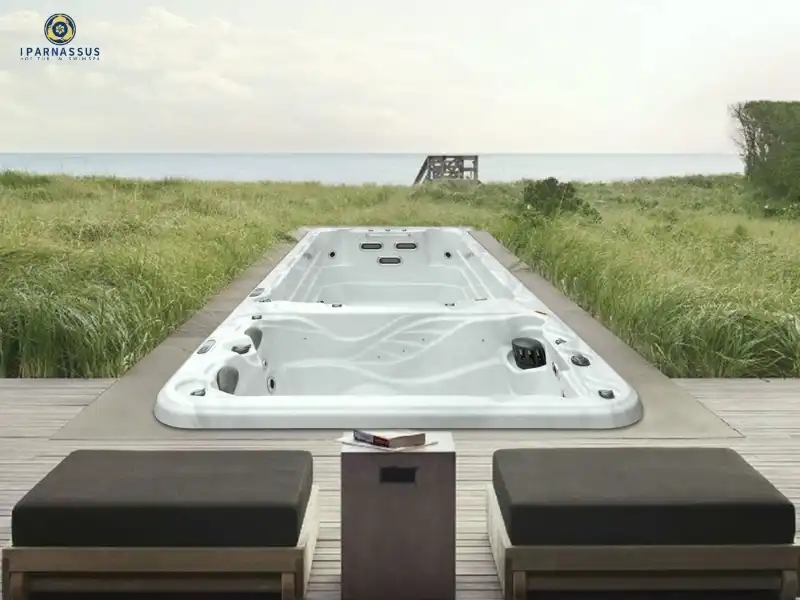
Understanding the Health Advantages of 7 Person Swim Spas
A significant gap in commercial health solutions is filled by the distinctive design of higher-capacity spas. While smaller swim spas cater to solitary users and conventional hot tubs offer leisure, a well-designed system with two zones allows for concurrent activity. Without the need for separate installations, hotels are able to provide guests with both restful hydrotherapy treatments and intense swim exercises.
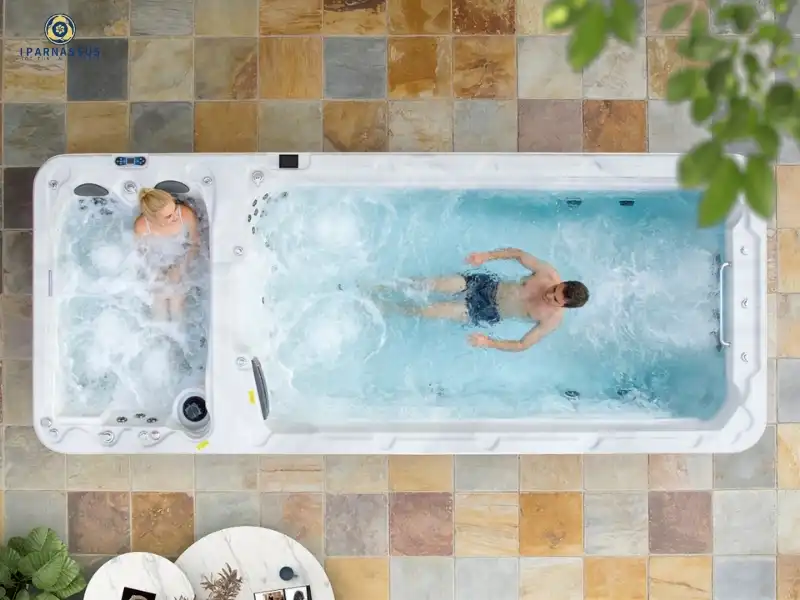
For procurement experts, space efficiency continues to be a top priority. While providing comparable fitness advantages, a complete swim spa solution takes up around 20% of the space needed for a traditional lap pool. Large families and group meetings may be pleasantly accommodated in the massage zone, which normally has one couch and five seats, totaling six positions. For vacation rental properties, where increasing visitor happiness directly affects booking rates and income, this design is very beneficial.
Even when operating continuously, sophisticated filtration systems built for high-volume use preserve water purity. Facility managers' top worry, maintaining clean water conditions over long operation hours, is addressed with dual filtering technology. Users can benefit from cooler water for intense activity before switching to warmer temps for relaxation and muscle recovery when swimming and spa areas have separate temperature control.
Top 7 Health Benefits of Using a 7 Person Swim Spa
Aquatic wellness equipment has been shown to boost several physiological systems, providing health benefits that go beyond mere leisure. These advantages are fully in line with the goals of corporate wellness and the needs of therapeutic programs.
Low-Impact Cardiovascular Exercise
Excellent cardiovascular fitness is provided by water-based aerobic exercise, which also reduces strain on connective tissues and joints. The swim zone's two 7.5-inch jets and one 13.5-inch huge jet provide strong wave motion and customizable resistance. From mild rehabilitative activities to demanding sports training, users may adjust the current intensity to suit their level of fitness.
Because buoyancy lowers effective body weight by around 85%, those with chronic pain issues or limited mobility can participate in prolonged aerobic exercise. Regular aquatic exercise increases VO2 max and lowers resting heart rate in a manner similar to that of conventional land-based regimens, according to studies published in the Journal of Aquatic Physical Therapy.
Enhanced Muscle Strength and Endurance
Swimming against controlled currents works several muscle groups at once and develops functional strength through organic movement patterns. Training programs may be progressed from beginner to intermediate thanks to the dual propulsion system. While rehabilitation patients benefit from softer currents during rest times, athletes employ greater resistance levels for conditioning appropriate to their activity.
Unlike weights, which provide varying tension, water resistance produces constant force across the whole range of motion. This continuous resistance encourages balanced growth across opposing muscle groups and increases muscular endurance. Maximum safety during standing workouts or water treatment routines is ensured by the anti-slip designs on the pool floor.
Stress Reduction and Mental Health Support
Hydrotherapy increases the generation of endorphins and other neurotransmitters that improve mood while producing quantifiable decreases in stress chemicals. The 49 carefully placed jets in the massage zone provide thorough full-body hydrotherapy, focusing on important stress points in the legs, shoulders, and back. Plantar fasciitis and overall foot weariness can be specifically relieved with a spherical massage jet placed at the foot location.
The filter cover's two light cup holders turn treatment sessions into social gatherings where visitors may unwind and sip refreshments. By transforming the experience from just clinical to truly therapeutic, this design element raises user pleasure and engagement.
Improved Circulation and Detoxification
Immersion in a 7 person swim spa filled with warm water increases peripheral vasodilation, which improves oxygen transport throughout the body and increases blood flow to extremities. Heat treatment and massage jet stimulation work together to boost natural detoxification processes by encouraging lymphatic drainage. Regular hydrotherapy treatments had cardiovascular benefits comparable to those of moderate-intensity walking, according to research published in the New England Journal of Medicine.
The benefits of circulation are maximized by independent temperature management between zones. In order to create a contrast treatment effect that further improves vascular function and lowers inflammation, users can switch between warmer spa settings and colder swimming temps.
Effective Weight Management Support
Exercise in the water burns a lot of calories and is less taxing than comparable exercises on land. Users can maintain target heart rate zones for the best fat metabolism thanks to the adjustable swim current. Depending on body weight and stroke efficiency, a moderately intense 30-minute swim exercise usually burns 250–350 calories.
Water exercise's minimal impact makes it possible to work out for longer periods of time, which increases overall caloric expenditure while reducing recuperation time. This sustainability component is especially helpful for corporate wellness initiatives that aim to increase long-term adherence and staff involvement rates.
Joint Mobility and Flexibility Enhancement
Increased tissue elasticity from warm water treatment permits more range of motion during mobility and stretching activities. Because the supporting qualities of water allow for motions that would be difficult or painful on land, physical therapists employ aquatic settings for chronic disease management and post-surgical rehabilitation.
Users with reduced mobility may easily approach the pool area from the spa zone thanks to integrated stairs with railings. While preserving visual appeal, this careful design consideration guarantees accessibility compliance.
Sleep Quality Improvement
Deeper, more restful sleep is encouraged by the natural temperature regulation response that occurs during evening hydrotherapy sessions. The physiological sleep initiation process is triggered by an increase in body temperature during warm water immersion and a decrease following escape. Regular evening hydrotherapy users report falling asleep 15 minutes faster and having fewer nightly awakenings, according to studies monitoring sleep patterns.
Overall improvements in sleep architecture are a result of the combined effects of pain alleviation, muscular relaxation, and stress reduction. The importance of sleep quality for worker productivity and health consequences is becoming more widely acknowledged in corporate wellness initiatives.
Installation and Energy Efficiency Considerations for 7 Person Swim Spas
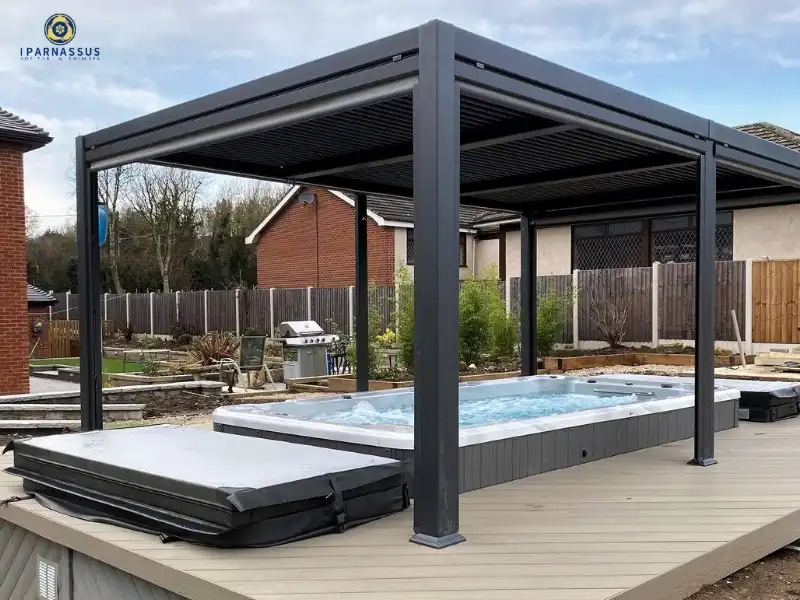
Site preparation and continuing operations requirements must be carefully considered for a successful deployment. When the unit is filled, the concrete base must sustain its full weight, which usually ranges from 12,000 to 18,000 pounds depending on water capacity. To confirm floor load capability for upper-level installations, hotels and fitness facilities should speak with structural experts.
Water buildup and possible structural damage are avoided with appropriate drainage systems. A floor drain placed close to the installation location helps with maintenance and deals with overflow issues. Without sacrificing the installation's aesthetic integration, access panels should offer easy access to equipment compartments.
When compared to conventional pool systems, modern energy-efficient technology drastically lowers operating costs. Compared to single-speed pumps, variable-speed pumps use up to 70% less energy by adjusting output to match real demand. With fewer heating cycles, advanced insulation technologies prevent heat loss and maintain target temperatures.
Automated water management systems guarantee constant water quality while streamlining processes. Temperature, filtration cycles, and chemical levels may all be remotely monitored and adjusted thanks to smart control technology. The water quality problems that may result from delayed maintenance responses are avoided by this automation, which also lowers labor needs.
Frequent maintenance procedures for a hot tub pool prolong the life of equipment and maintain peak performance. Surface sanitization, jet inspection, and filter cartridge replacement should all be included in professional cleaning programs. Investment protection and dependable operation are ensured by establishing maintenance contracts with certified service providers.
Comparing Swim Spas with Alternatives: Why Choose a 7 Person Swim Spa?
Understanding the unique benefits that swim spas provide over other aquatic health solutions is helpful when making procurement selections. Conventional hot tubs are great for hydrotherapy and relaxation, but they can't be used for exercising. Users who want swim training or cardiovascular conditioning have to go to other facilities, which is less convenient and can limit participation.
Conventional pools are terrific places to work out, but they need a lot of area, cost more to build, and require more upkeep. In-ground pool installation prices are usually 200–300% more than swim spa costs, and running costs are still much higher because of the bigger water volumes and higher chemical requirements.
Although they can seem more affordable, portable or inflatable solutions sacrifice utility and durability. In addition to lacking the complex jet systems, temperature control, and structural integrity that define permanent installations, these temporary solutions are unable to endure commercial usage patterns. Additionally, there are significant differences in the visual impact, with portable units communicating a recreational rather than premium wellness focus.
The basic drawback of single-purpose equipment is addressed by the dual-zone architecture. The facility may be used concurrently by families and groups with a variety of interests, with some members enjoying hydrotherapy and others swimming. For commercial properties, this adaptability optimizes usage rates and return on investment.
Selecting the Right 7 Person Swim Spa for Your Business Needs
The goals of the facility and the planned usage patterns should be reflected in the equipment specifications. Commercial applications require large plumbing, sturdy construction, and commercial-grade parts designed to run continuously. Under commercial usage loads, residential-grade units will prematurely fail, necessitating frequent repairs and unhappy visitors.
With eighteen years of manufacturing experience, Shenzhen iParnassus Intelligent Spas Co., Ltd. has created solutions that especially target commercial requirements. The pool zone may operate at 78–82°F while the spa is kept at 98–104°F thanks to their dual-zone systems' independent temperature regulation. This setup efficiently controls heating expenses while maximizing comfort for various activities.
Understanding of social interaction patterns and group dynamics is reflected in the architecture of the massage area. Five more seats provide conversational configurations, and one lounge position allows for a full-body reclining massage. The integrated cup holders increase average session time and user pleasure by turning treatment sessions into social events.
Important selection criteria that are sometimes disregarded during first procurement assessments include warranty coverage and post-purchase assistance. Long-term comprehensive warranties that cover plumbing systems, control components, and shell construction guard against unforeseen costs. When maintenance is required, there is less downtime due to the availability of components and rapid technical assistance.
Alignment with facility branding and design aesthetics is made possible by customization opportunities. The mood created by LED lighting systems with adjustable color sequences is appropriate for special occasions and evening use. Younger audiences are drawn to Bluetooth audio integration in a hot tub pool, which also facilitates group exercise courses held in aquatic settings.
Conclusion
Commercial wellness programs that incorporate swim spas yield quantifiable health advantages that support more general business goals related to visitor happiness, staff well-being, and facility distinctiveness. Improvements in cardiovascular health, muscle strength, stress reduction, and sleep quality are all supported by data. These results, which include higher property prices, higher booking rates, and lower healthcare expenses in corporate settings, make investment worthwhile. The dual-zone design concurrently accommodates a variety of user demands while addressing space restrictions. Equipment designed for commercial purposes with sturdy construction, extensive warranties, and proven operational dependability should be given top priority by procurement experts weighing their alternatives. Long-term value and user happiness are maximized by paying close attention to installation specifications and energy-efficient features.
FAQ
1. What are the typical dimensions of a 7 person swim spa?
The dimensions of standard versions are around 16–20 feet in length, 7–8 feet in width, and 4–5 feet in depth. About 10–12 feet are set aside for the swim area and 6–8 feet for the hydrotherapy area in the dual-zone arrangement. These measurements allow for installation in areas where conventional lap pools would not be feasible while yet offering sufficient space for efficient swimming and cozy lounging.
2. How often does a commercial swim spa require maintenance?
For facilities with numerous users, chemical balance and daily water testing are still crucial. Under typical usage, filters should be cleaned or replaced once a week; during peak seasons, this should happen more frequently. Quarterly professional service inspections confirm system integrity and resolve possible problems before they affect operations. The strain of manual maintenance is greatly reduced by automated methods.
3. Are bulk purchase discounts available for multi-property developments?
Procurement managers in charge of hotel chains or resort portfolios can usually negotiate volume pricing that lowers expenses per unit by 15–25%. Logistics costs are further reduced by consolidated shipment agreements. Building connections with manufacturers simplifies parts inventories and servicing procedures while facilitating customized coordination across properties.
Partner with iParnassus® for Premium Swim Spa Solutions.
For procurement professionals looking for dependable, high-performing aquatic wellness equipment, iParnassus® offers eighteen years of specialized manufacturing knowledge. Our dual-zone swim spa systems' sturdy design, clever control systems, and extensive hydrotherapy features meet the unique needs of commercial applications. While the swim area offers changeable currents appropriate for all ability levels, the massage area can easily seat six people.
We are aware that procurement selections take into account factors like total cost of ownership, operational dependability, and user satisfaction results in addition to the original purchase price. To safeguard your investment, our staff offers comprehensive specs, installation advice, and continuous technical support. As a top producer of swim spas, we can tailor solutions, including a 7 person swim spa, to your facility's needs and provide reasonable pricing structures for multi-unit purchases.
To discuss your unique needs and schedule product demos, get in touch with our commercial sales team at info@iparnassus.com. We provide equipment designed to provide outstanding performance and long-term value to resort developers, hotel operators, and wellness center managers in North America, Europe, Australia, and the Middle East.

References
1. Becker, B. E. (2009). "Aquatic Therapy: Scientific Foundations and Clinical Rehabilitation Applications." PM&R Journal, 1(9), 859-872.
2. Wilcock, I. M., Cronin, J. B., & Hing, W. A. (2006). "Physiological Response to Water Immersion: A Method for Sport Recovery?" Sports Medicine, 36(9), 747-765.
3. Gabrielsen, A., Videbaek, R., Schou, M., et al. (2000). "Cardiovascular and Neuroendocrine Responses to Water Immersion in Compensated Heart Failure." American Journal of Physiology, 279(4), H1931-H1940.
4. Bartels, E. M., Lund, H., Hagen, K. B., et al. (2007). "Aquatic Exercise for the Treatment of Knee and Hip Osteoarthritis." Cochrane Database of Systematic Reviews, Issue 4, CD005523.
5. Cantwell, J. D. (1999). "Cardiovascular Aspects of Aquatic Exercise." Clinics in Sports Medicine, 18(2), 357-366.
6. McNeal, J. R., & Sands, W. A. (2003). "Aquatic Therapy and Cardiovascular Rehabilitation: A Review." Physical Therapy in Sport, 4(3), 109-114.

Send Inquiry